Winter Planning for Raised Garden Beds: Dream, Design & Prepare Your Best Growing Season Yet
Winter may feel quiet in the garden, but beneath the frost is the perfect season for research and planning. Whether you’re dreaming of a tidy potager or a relaxed cottage mix, this guide helps you design raised beds that look beautiful and grow generously all season long.
Let’s dig in.
Start With the Bed Style: Which Raised Garden Fits Your Vision?
1. Classic Wooden Raised Beds
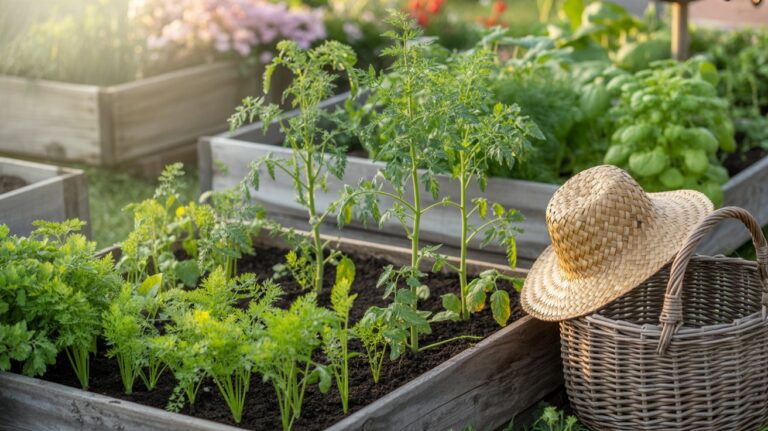
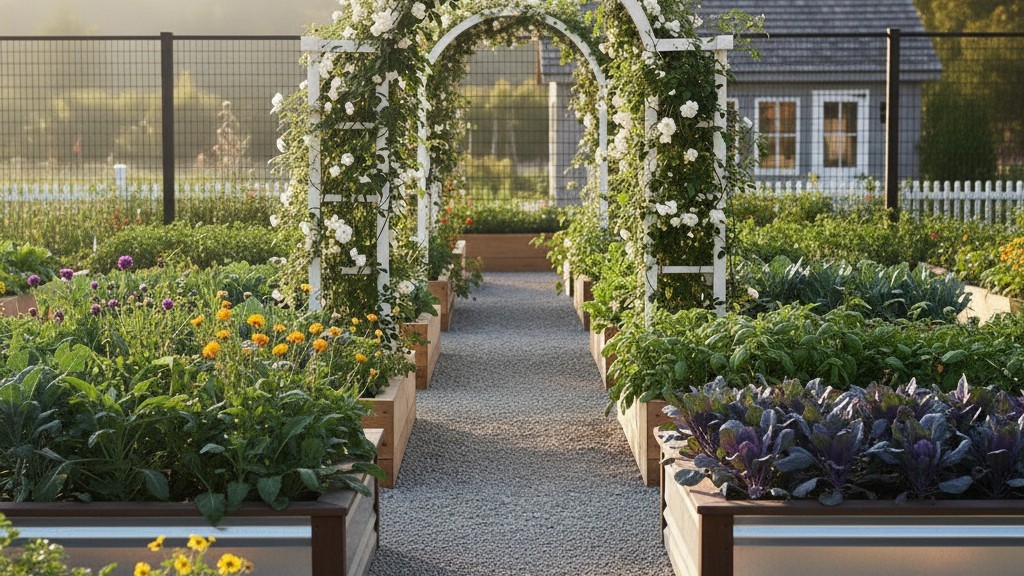
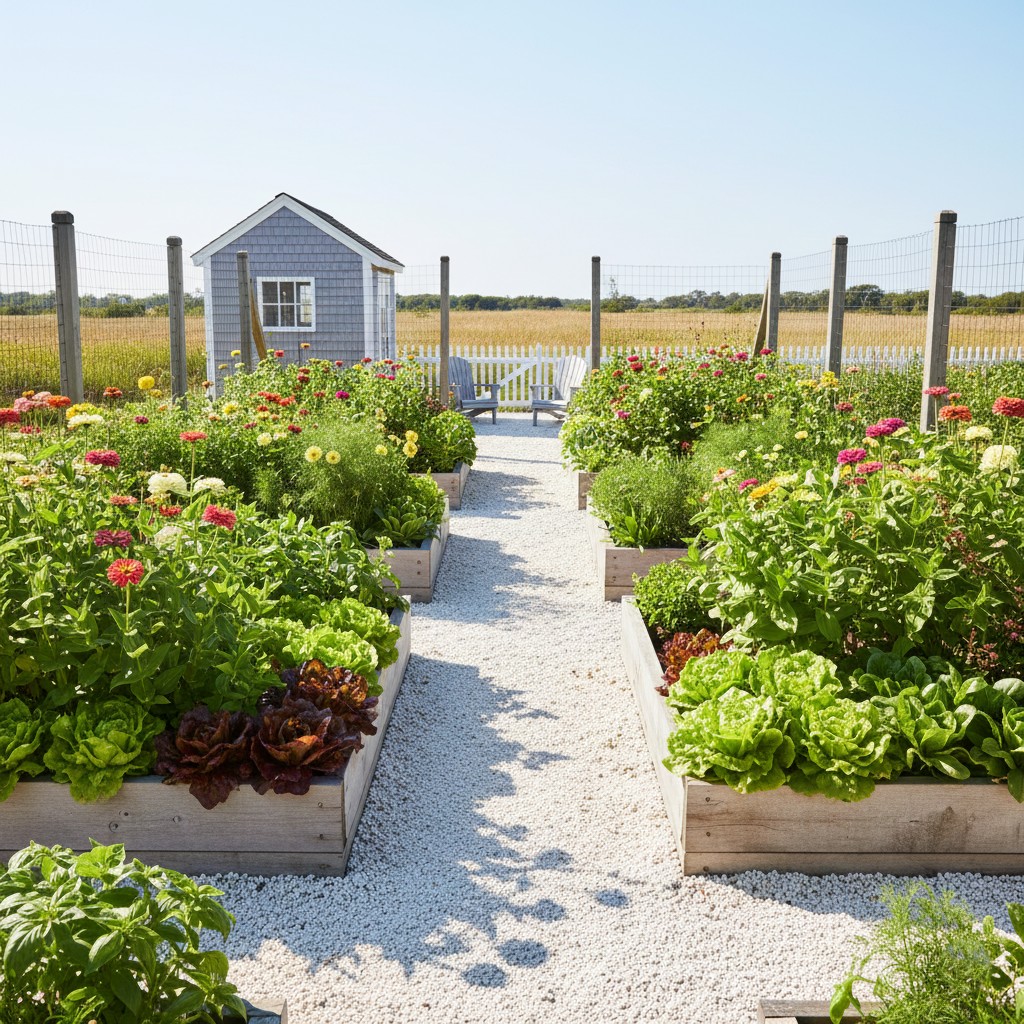
Timeless, structured, and perfect for vegetable gardens. Cedar and redwood are naturally rot-resistant and age into a silver-toned patina that works beautifully with cottage and farmhouse landscapes.
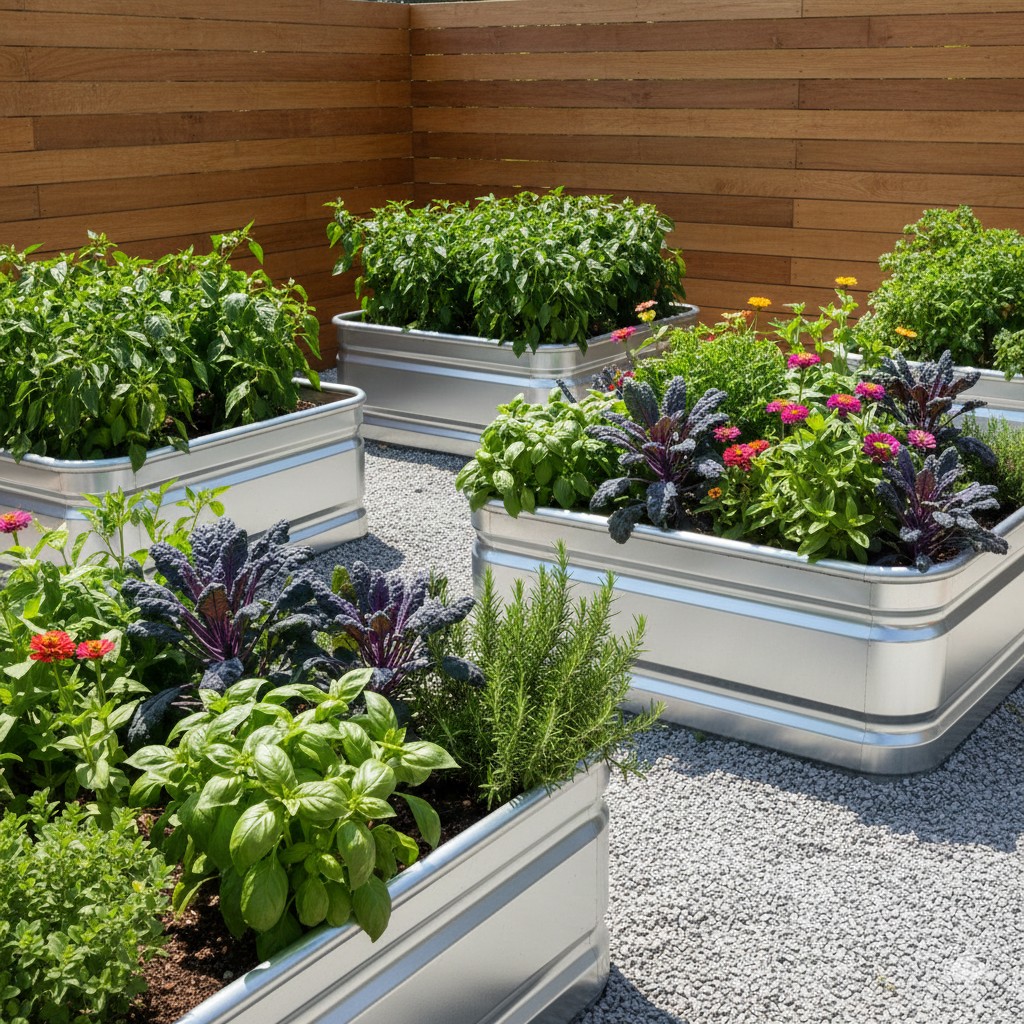
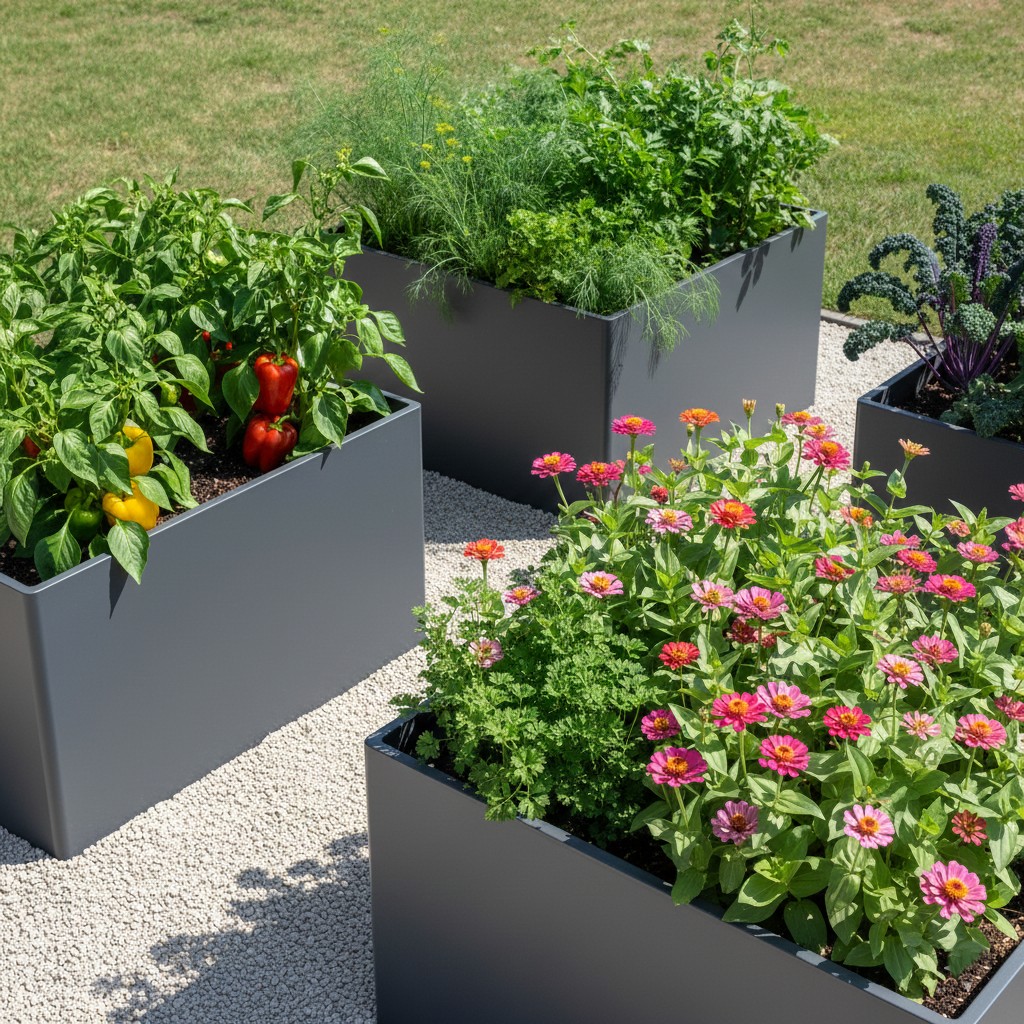
2. Modular Metal Raised Beds
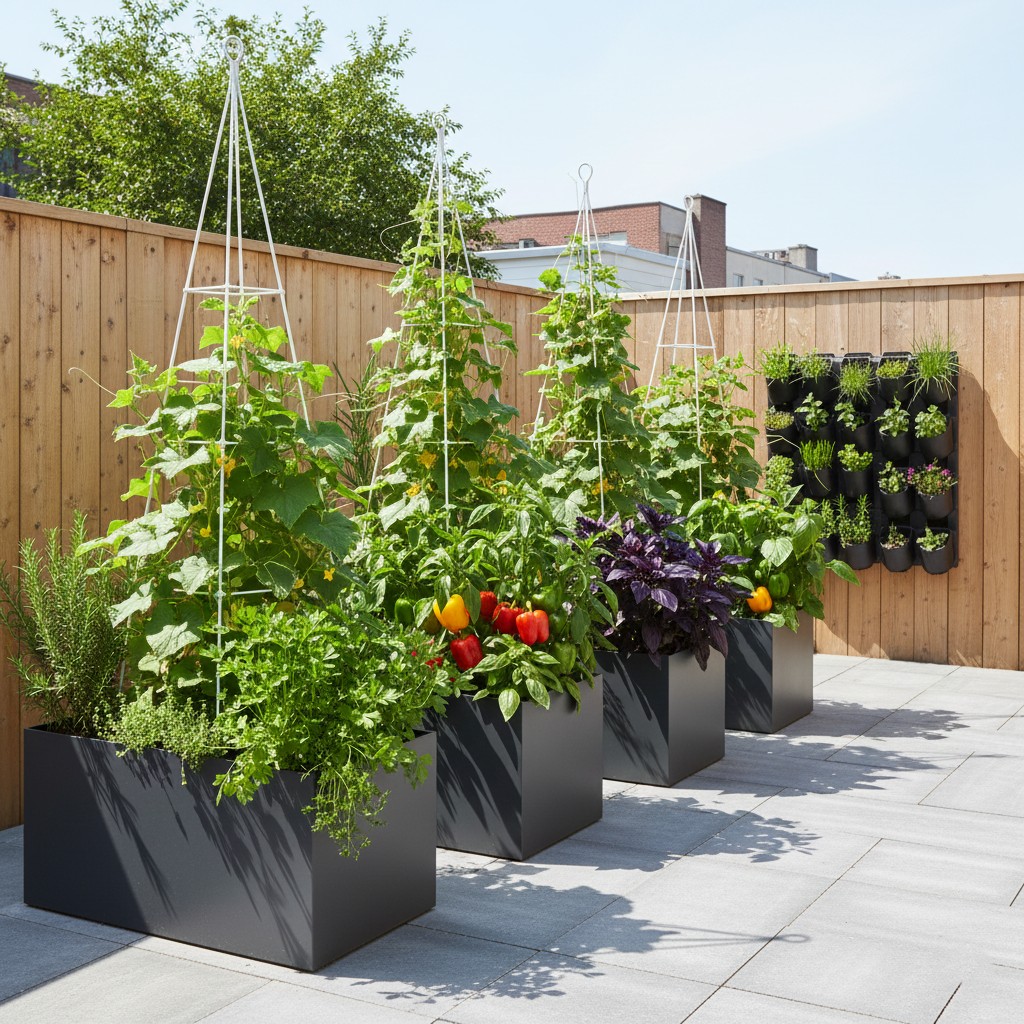
Durable, sleek, and great for modern or small-space gardens. Steel (especially powder-coated) warms quickly in spring and looks stunning in a tidy grid layout.
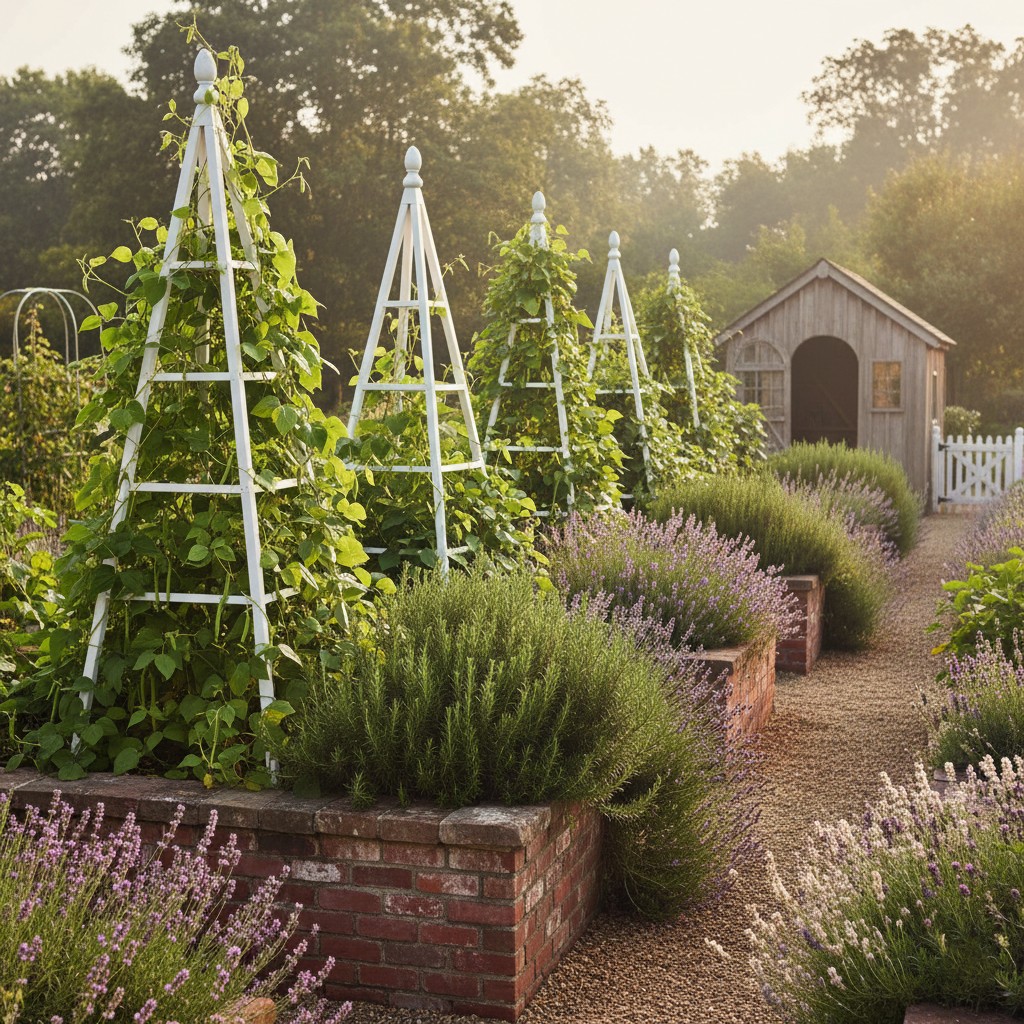
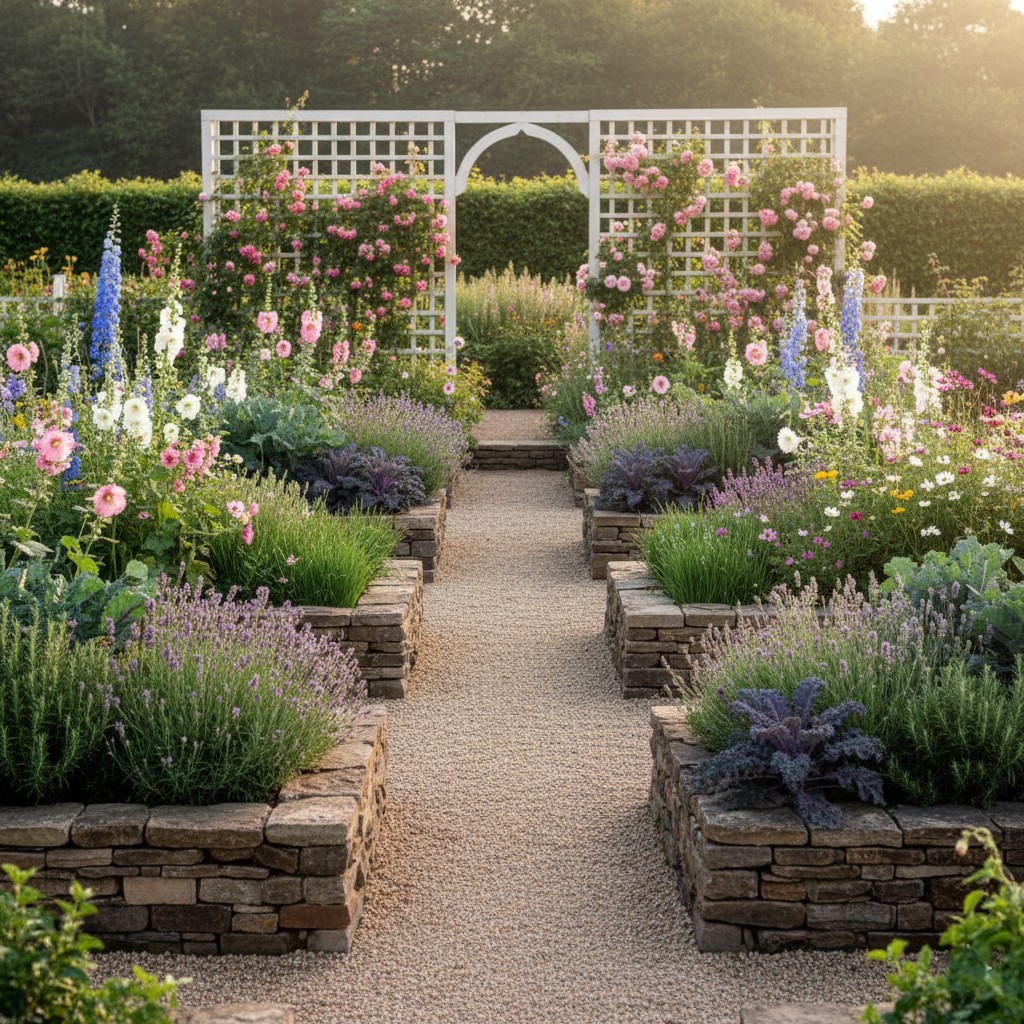
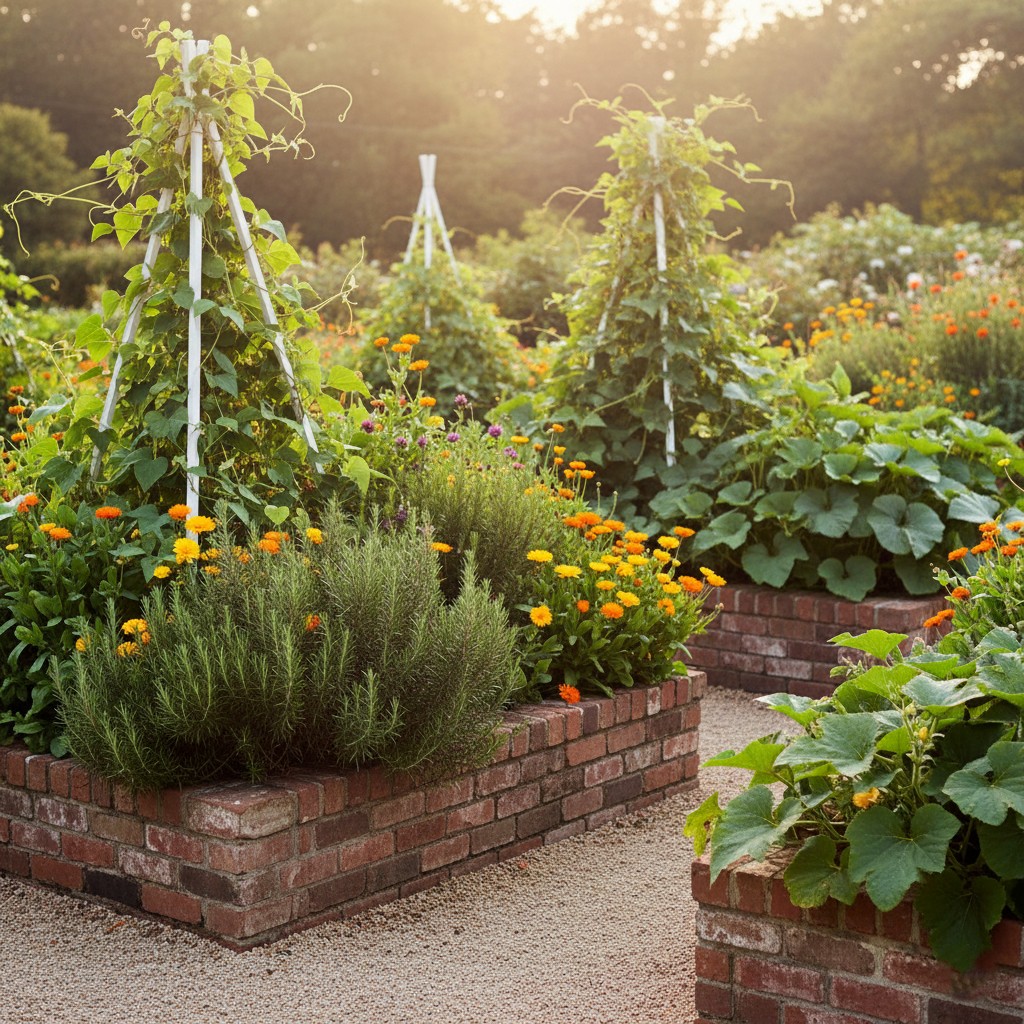
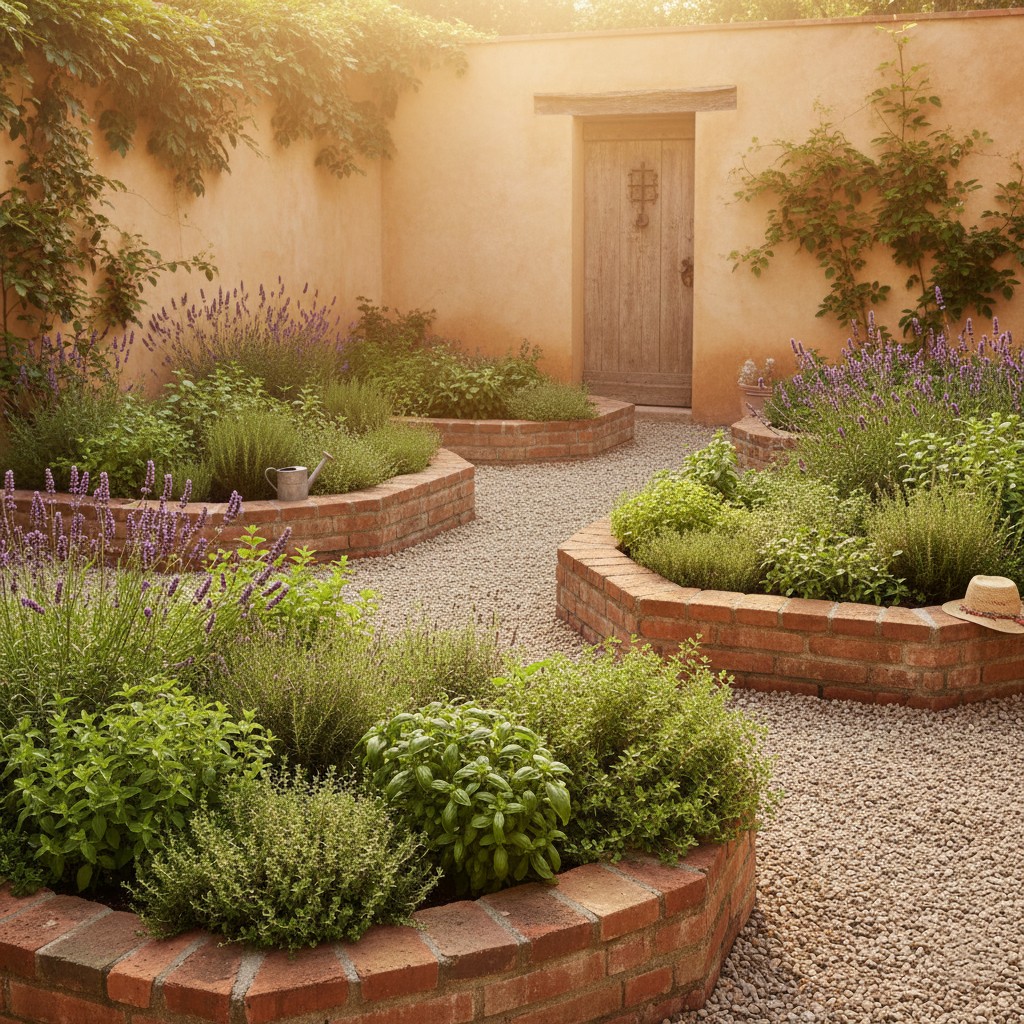
3. Stone or Brick Raised Beds
For gardeners who love permanence and classic cottage charm. These beds retain warmth well and blend seamlessly into landscape architecture.
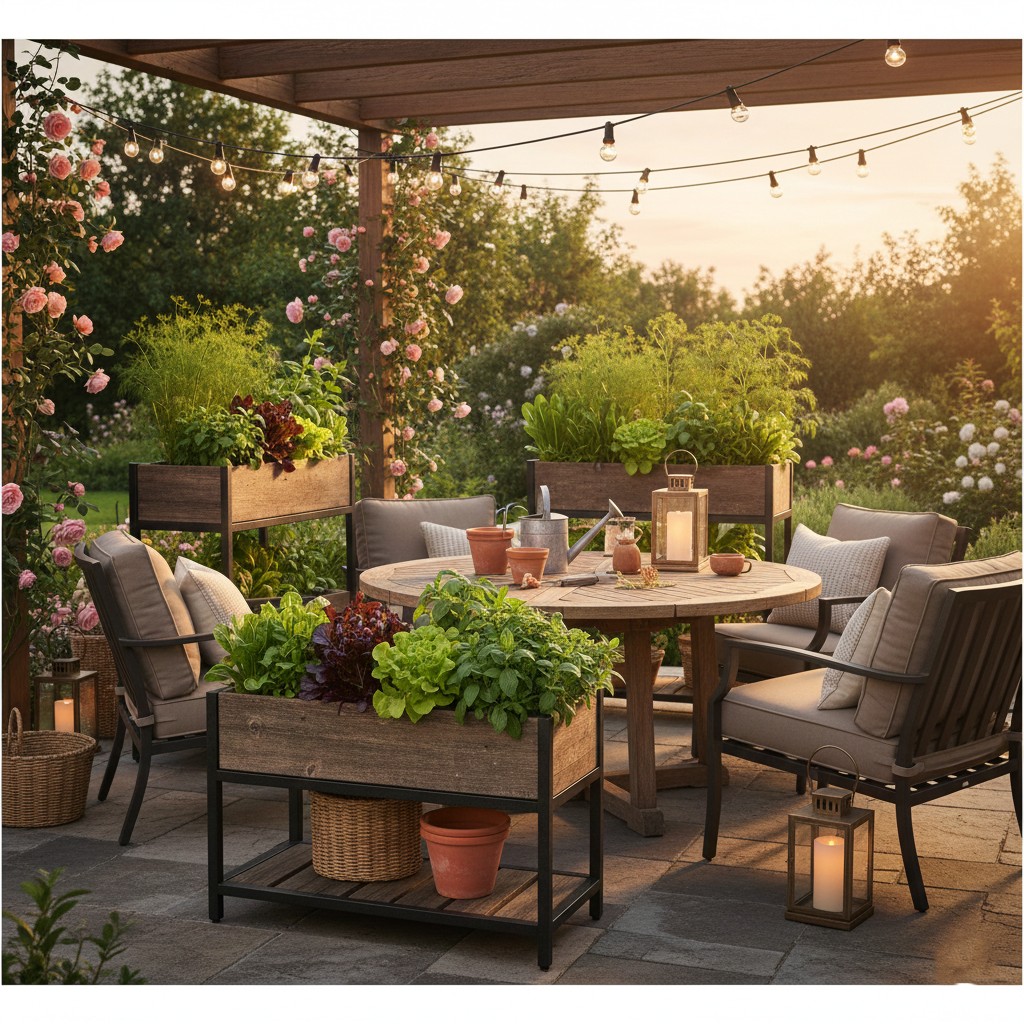
4. Elevated Tabletop Beds
Perfect for patios, small courtyards, or accessibility-friendly gardening. Ideal for salad greens, herbs, and cut-and-come-again crops.
Choosing Materials: Winter Is the Time to Source + Compare
Cedar & Redwood
Last 10–15 years, easy to cut and customize, naturally resist rot
Best for: classic veggie beds, cottage gardens
Galvanized Steel / Powder-Coated Steel
20+ year lifespan, ultra-clean aesthetic
Best for: modern homesteads, small yards, people who want low maintenance
Stone, Brick, or Pavers
Most durable, ideal for permanent, architectural gardens
Best for: estates, formal gardens, kitchen garden potagers
Recycled Composite Lumber
Eco-friendly, clean lines, color-stable
Best for: neat suburban gardens, matching deck materials
Winter Planning Techniques: Set the Stage Now for Spring Success
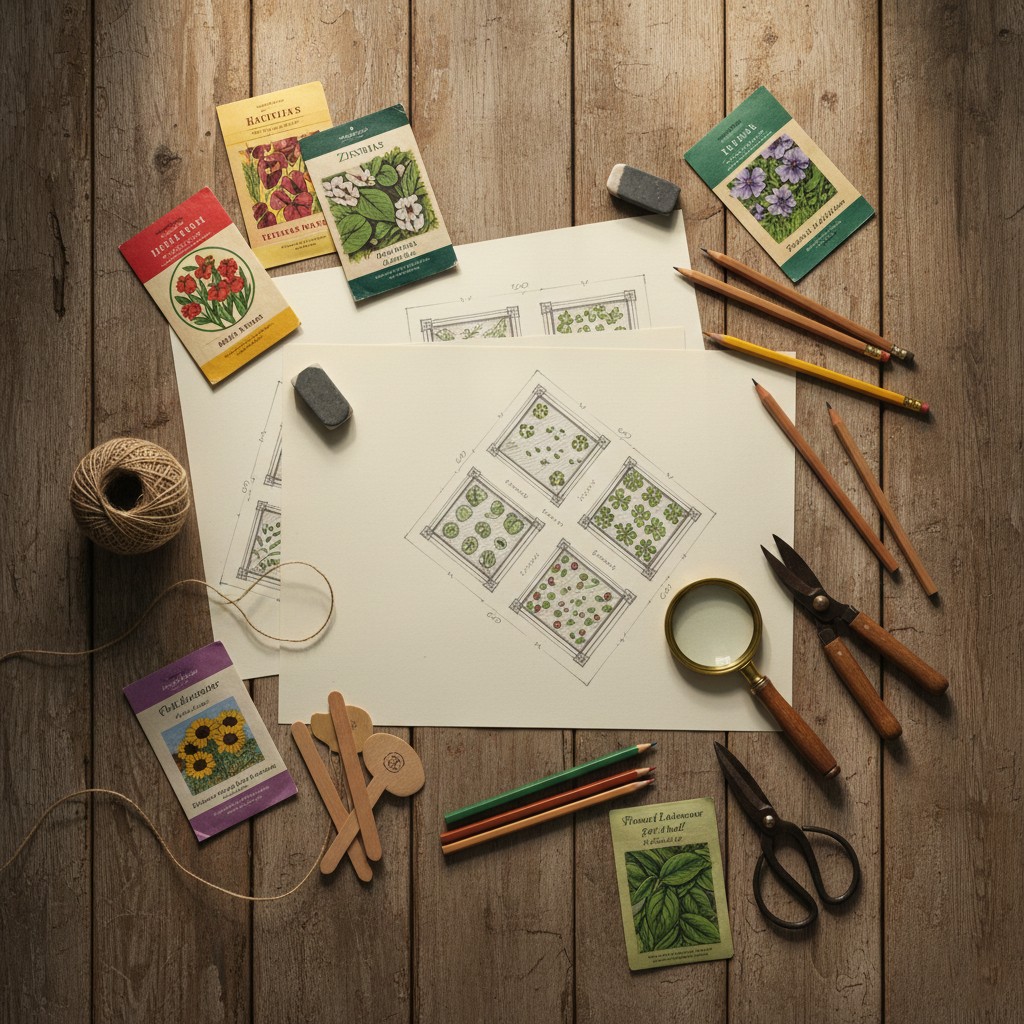
1. Map Your Garden Layout
Use winter downtime to sketch:
– Bed arrangement in grids or rows
– Sun exposure
– Access for tools + wheelbarrows
– Water sources and hose storage
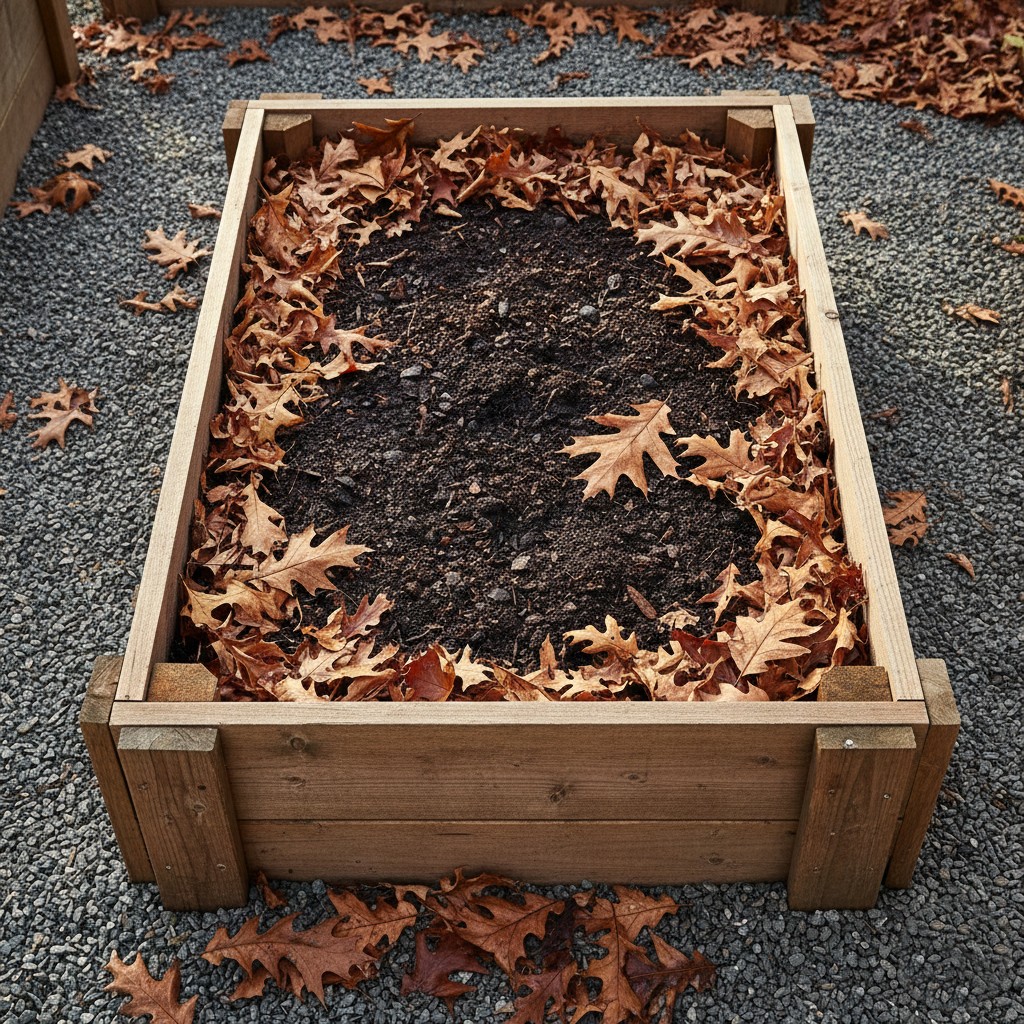
2. Build or Refresh Your Soil
Winter is the perfect moment to layer in organic matter. Add:
– Compost
– Leaf mold
– Manure (aged only)
– Biochar
– Worm castings
Let the freeze-thaw cycles naturally break down materials.
3. Planting Techniques That Make Raised Gardens Thrive
Group Plants by Needs
Keep thirsty plants like tomatoes and cucumbers together. Keep drought-tolerant herbs (rosemary, thyme) in a separate bed.
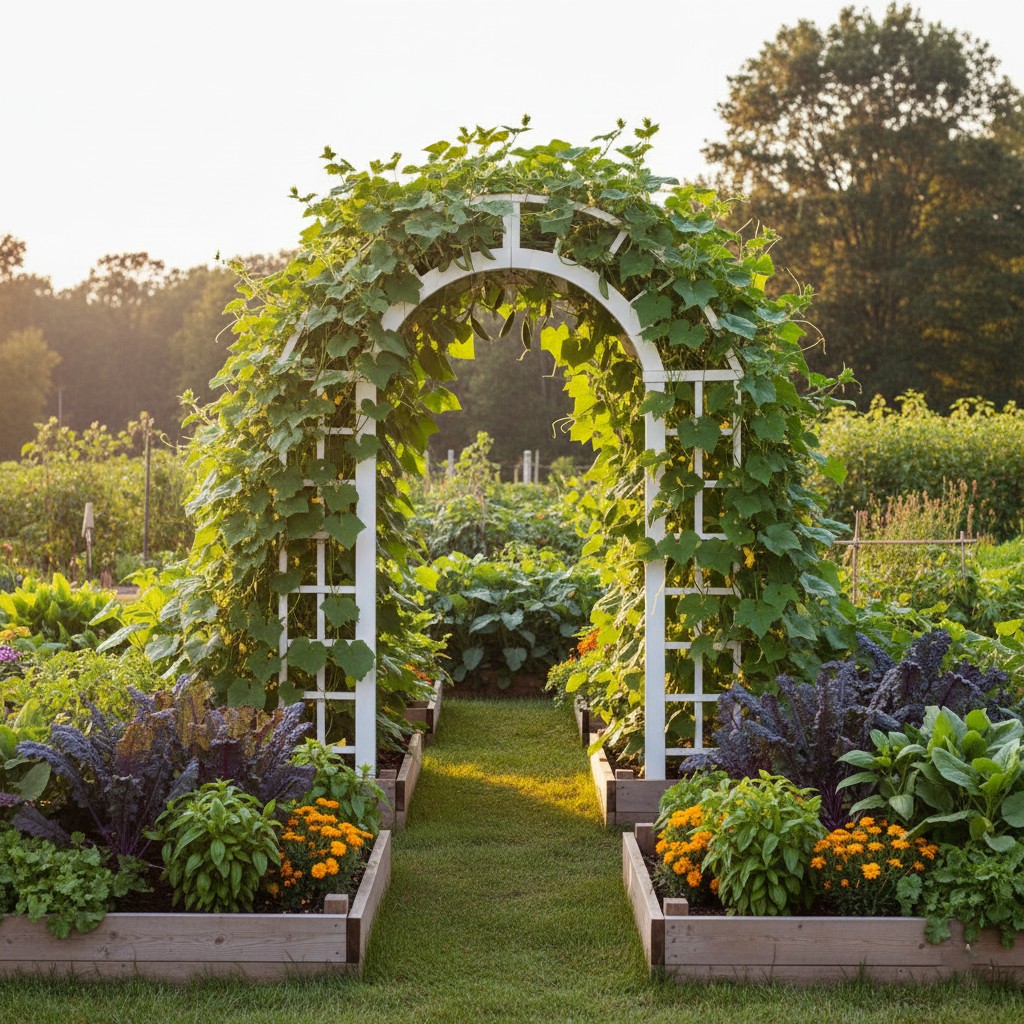
Use Vertical Space
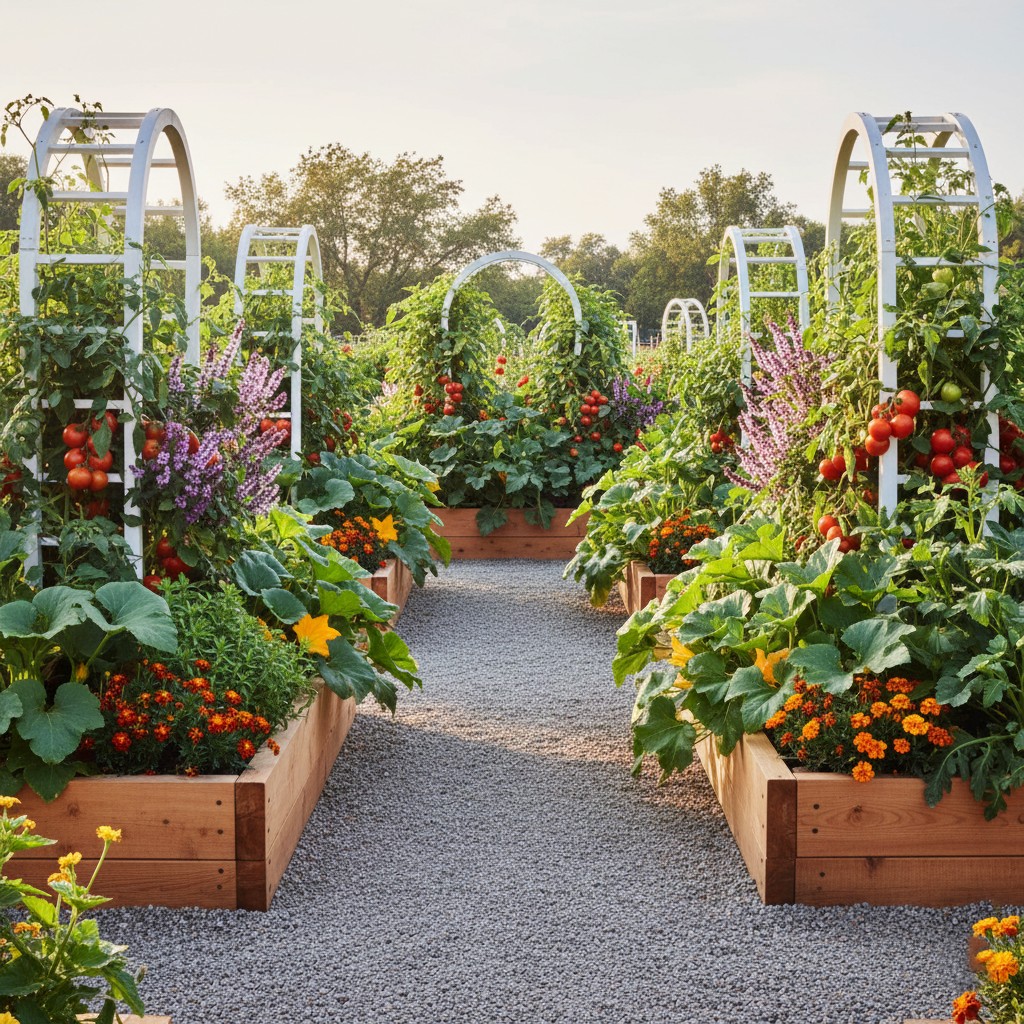
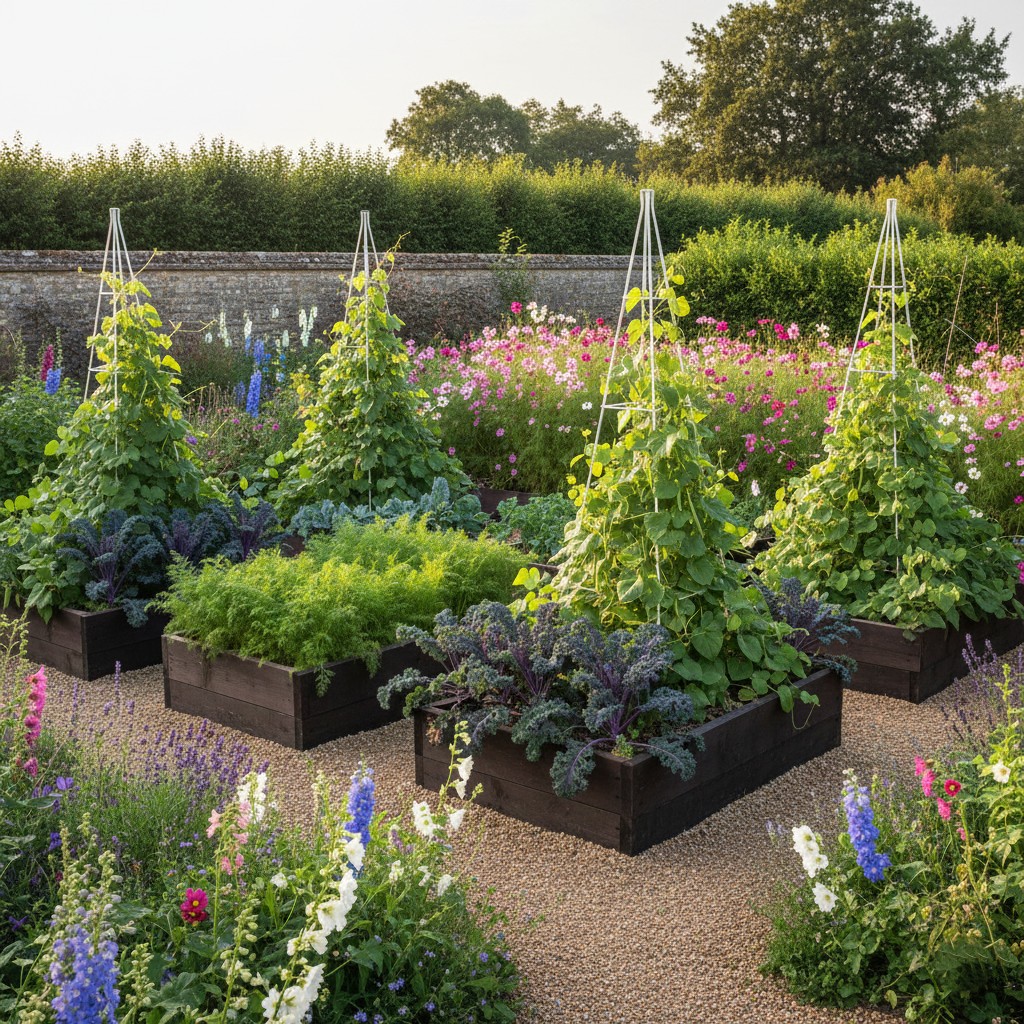
In summer, raised beds reach their full glory when paired with trellises for:
– Pole beans
– Cucumbers
– Sweet peas
– Small melons
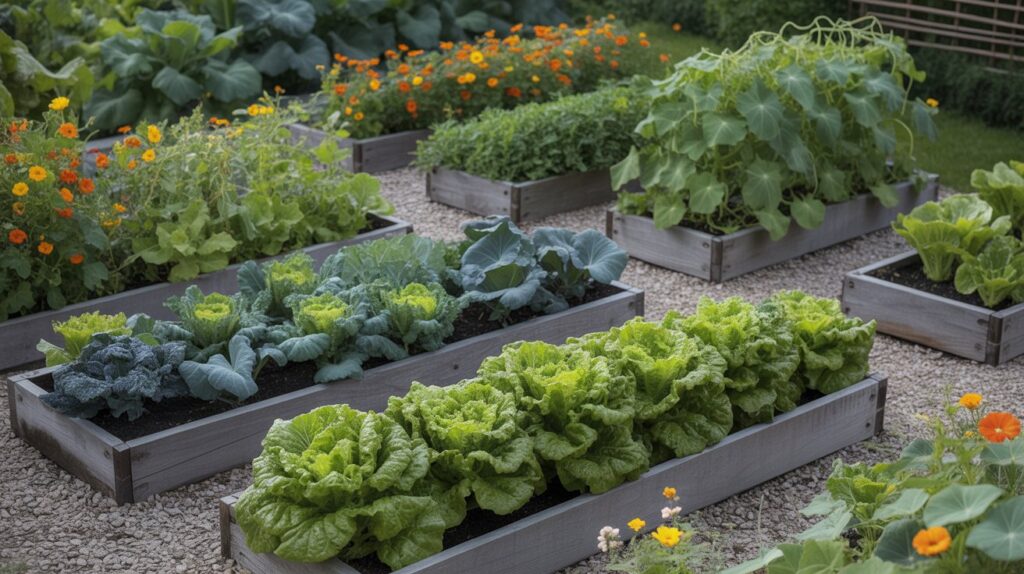
Mix Beauty + Function
Add calendula, cosmos, nasturtiums, and marigolds among veggies for color, pollinators, and edible garnishes.
Plan for Continuous Harvesting
Plant salad greens in stages. Add a dedicated “cut flower bed” for constant summer bouquets.
4. Choose Accessories That Elevate the Space
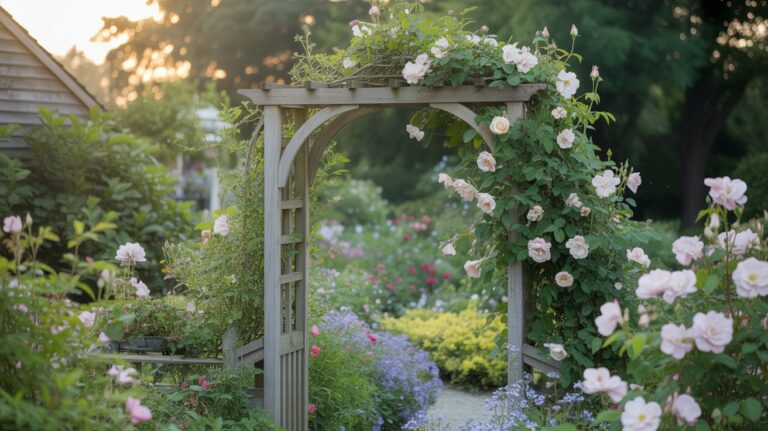
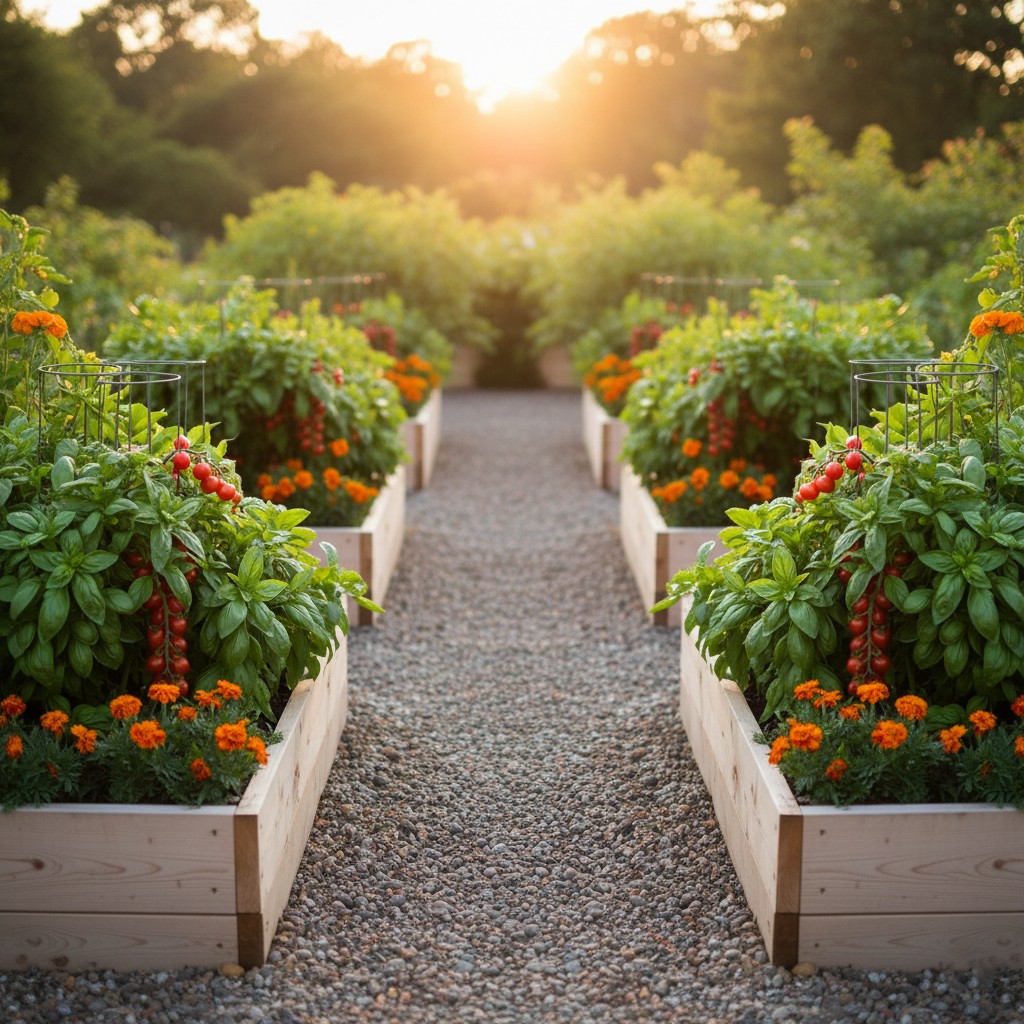
Trellises, arches, gravel pathways, and edging define the style of your garden long before the plants come in.
Need A Little Inspiration?

In Summary
At the end of the day, a summer raised-bed garden is really about creating a space that feels good. Once you’ve chosen the bed style you love, built up rich soil, and paired your plants thoughtfully, everything starts to come alive. Add a few trellises, mix in some flowers, keep paths neat and inviting, and suddenly your garden feels like a little summer retreat. It doesn’t have to be perfect to bring you joy all season long. Happy gardening!