Growing an Indoor Herb Garden: Fresh Flavor, Right From Your Home
There’s something deeply satisfying about snipping fresh herbs just moments before cooking. An indoor herb garden brings fragrance, beauty, and flavor into your home—no backyard required. Whether you’re working with a sunny windowsill or supplementing with grow lights, herbs are some of the easiest and most rewarding plants to grow indoors.
This guide will walk you through everything you need to know to start and maintain a thriving indoor herb garden, even if you’re a beginner.
Why Grow Herbs Indoors?
Indoor herb gardens offer more than convenience—they enhance daily life.
Benefits include:
- Fresh, organic herbs year-round
- Cost savings compared to store-bought herbs
- Natural fragrance and greenery indoors
- Compact size, perfect for small spaces
- Easy care for beginner gardeners
Choosing the Best Herbs for Indoors
Not all herbs thrive indoors, but many adapt beautifully to container life.
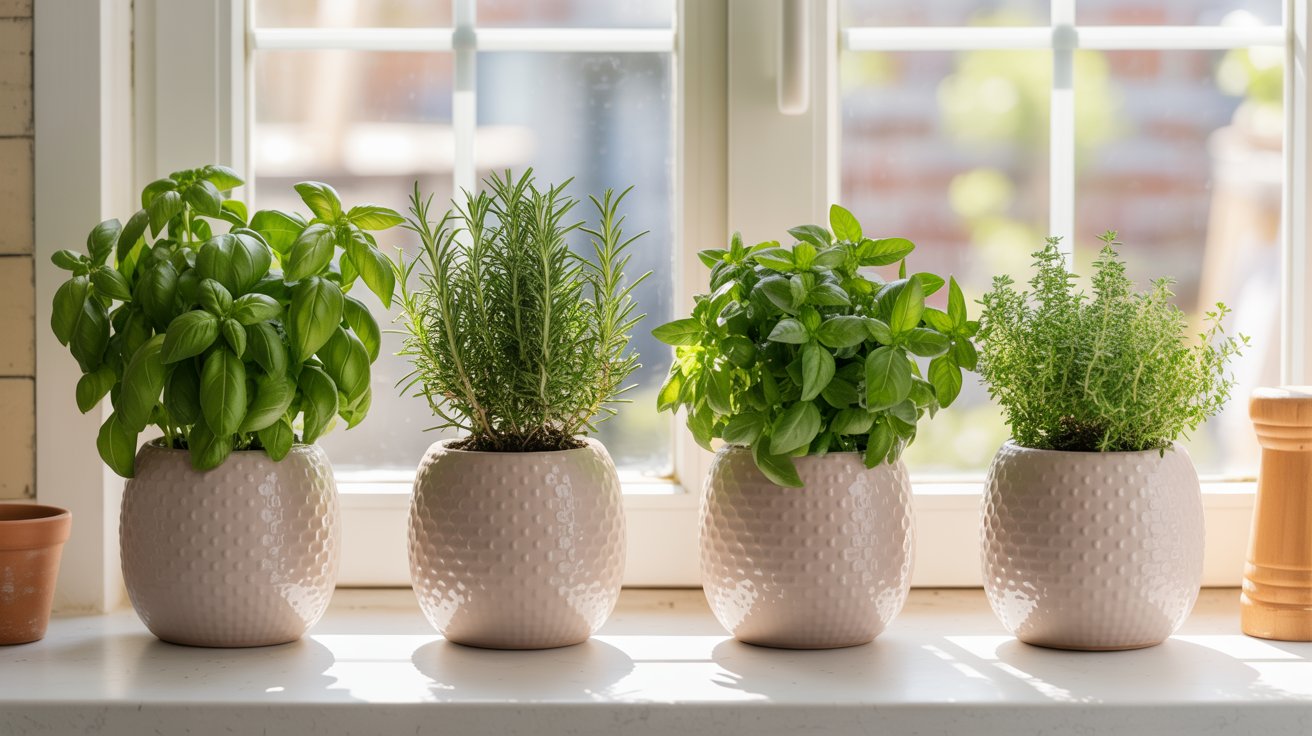
Best herbs for indoor gardening:
- Basil – Loves warmth and bright light
- Mint – Hardy and forgiving (best grown alone)
- Parsley – Slow-growing but reliable
- Chives – Compact and low-maintenance
- Thyme – Drought-tolerant and fragrant
- Rosemary – Woody and aromatic (needs strong light)
Start with 2–3 varieties to learn their needs before expanding your collection.
Light Requirements: The Key to Success
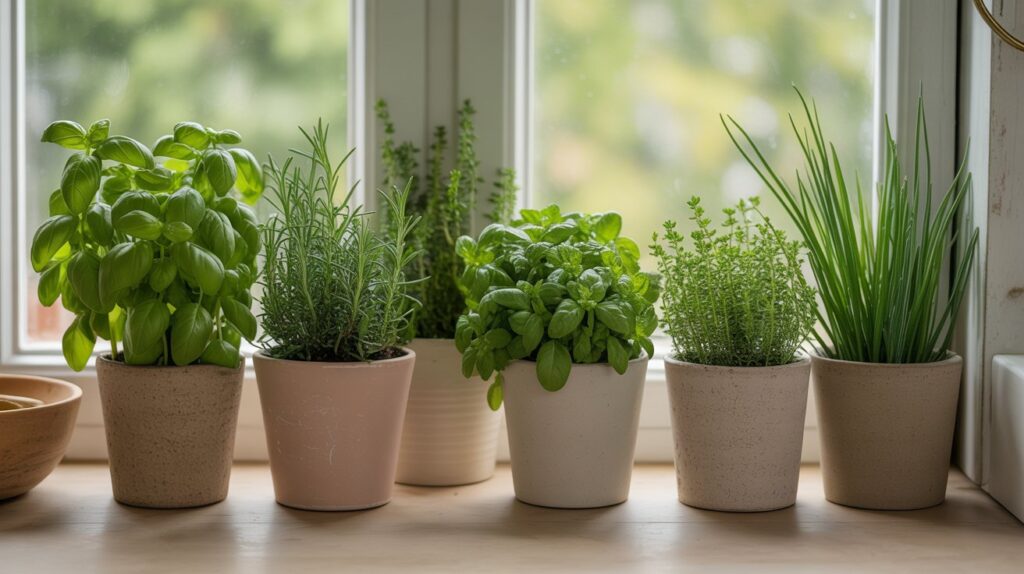
Light is the most important factor in growing healthy indoor herbs.
- Herbs need 6–8 hours of bright light daily
- South-facing windows are ideal
- East or west-facing windows also work
- Grow lights are excellent for darker spaces or winter months
If herbs look leggy or pale, they’re asking for more light.
Containers & Soil: Setting the Foundation
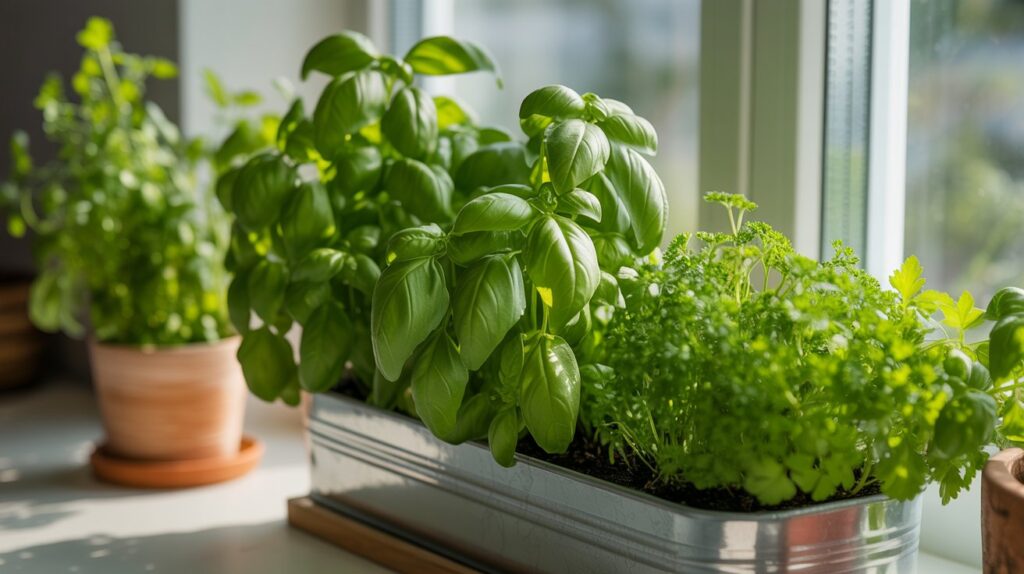
Choose containers with drainage holes to prevent root rot.
Best container tips:
- Use pots 6–8 inches deep
- Terra cotta allows soil to dry more quickly
- Ceramic pots retain moisture longer
Soil matters:
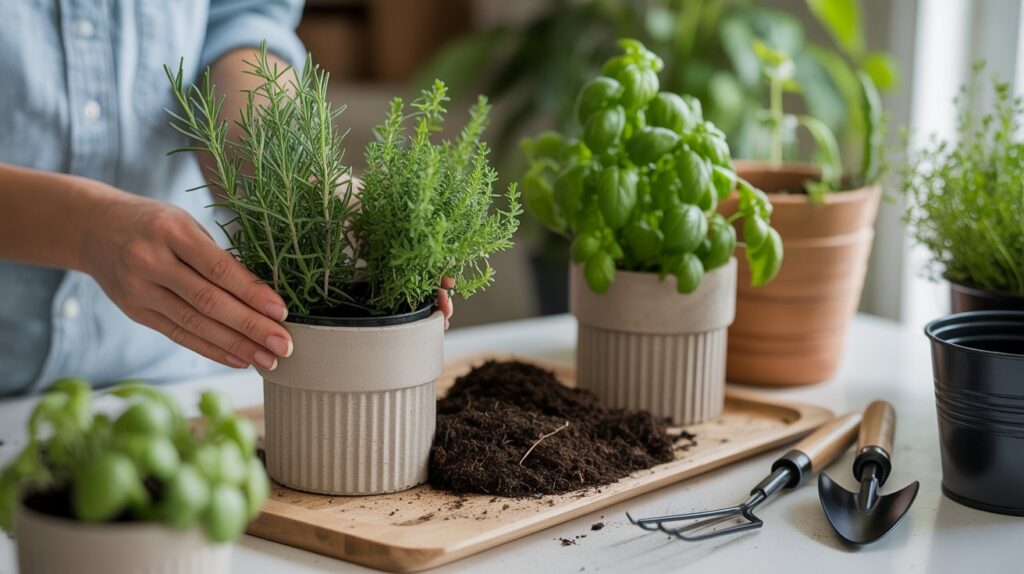
Use a high-quality indoor potting mix, not garden soil. Light, well-draining soil keeps roots healthy and prevents soggy conditions.
Watering Indoor Herbs (Less Is More)
Overwatering is the most common mistake.
Watering tips:
- Water when the top inch of soil feels dry
- Empty saucers after watering
- Avoid misting woody herbs like rosemary and thyme
Mediterranean herbs prefer slightly drier soil, while basil and parsley enjoy consistent moisture.
Harvesting for Growth & Flavor
Harvesting encourages fuller, healthier plants.
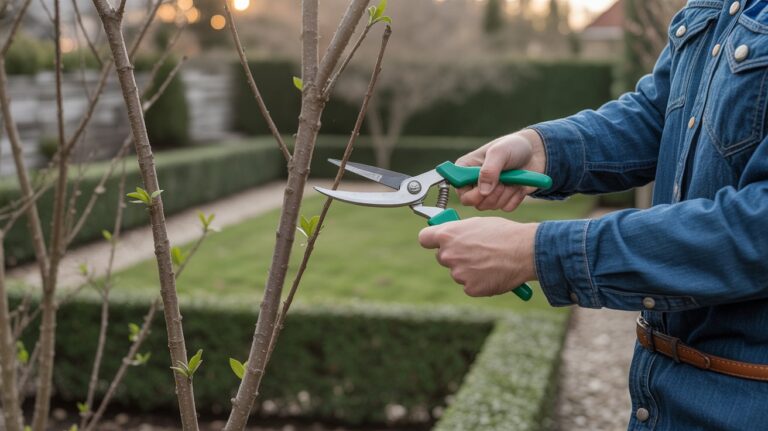
- Snip herbs just above a leaf node
- Never remove more than one-third of the plant
- Harvest basil and mint often to prevent flowering
Frequent harvesting keeps herbs tender and flavorful.
Common Indoor Herb Problems (and Easy Fixes)
- Yellow leaves: Too much water
- Leggy growth: Not enough light
- Slow growth: Needs nutrients or larger pot
A gentle liquid fertilizer every 4–6 weeks helps keep herbs productive.
Final Thoughts
Growing an indoor herb garden is a simple way to bring nature, nourishment, and beauty into your home. With the right light, proper watering, and a little attention, your herbs will reward you with fresh flavor and lush greenery all year long. Whether perched on a windowsill or styled on open shelving, indoor herbs are both practical and charming—perfectly at home in The Charming Garden.