Fiddle Leaf Fig Care: How to Keep This Iconic Houseplant Happy
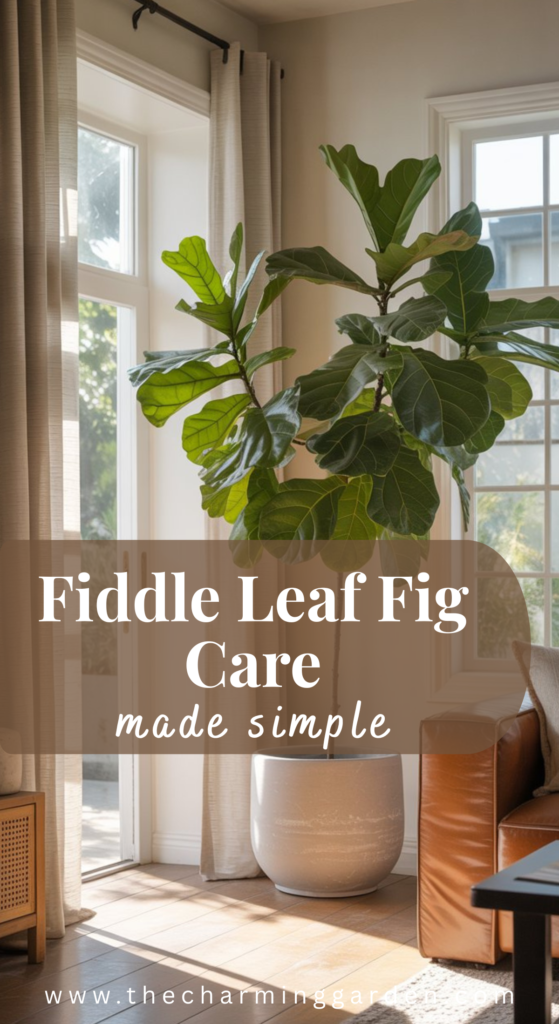
Few houseplants have earned icon status quite like the fiddle leaf fig. With its oversized, violin-shaped leaves and sculptural presence, Ficus lyrata can instantly elevate a room—when it’s happy. When it’s not… well, let’s just say the drama is real.
The good news? Fiddle leaf figs aren’t impossible. They’re just particular. Think of them as the diva of the plant world—high standards, but absolutely worth it. Here’s everything you need to know to grow a lush, glossy fiddle leaf fig that thrives in your home.
Light: Bright, Consistent, and Indirect
Light is the single most important factor in fiddle leaf fig success.
Best light:
- Bright, indirect light for most of the day
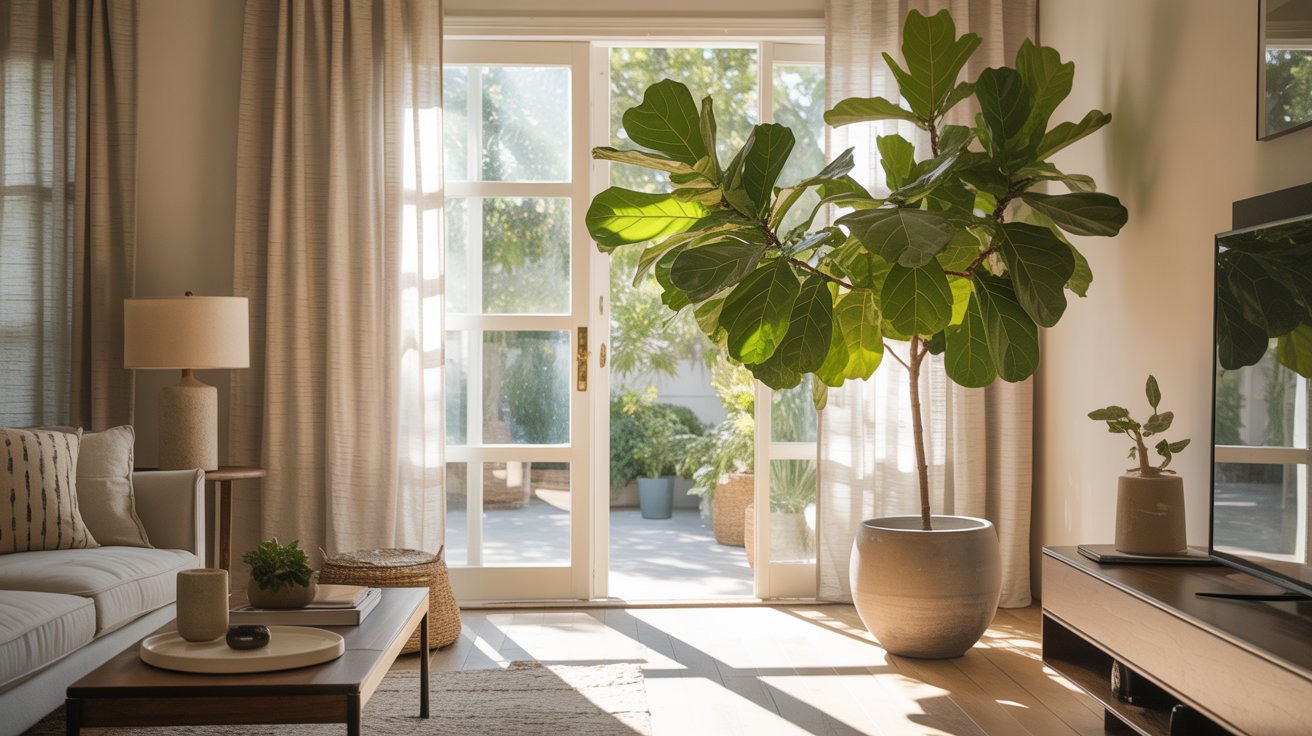
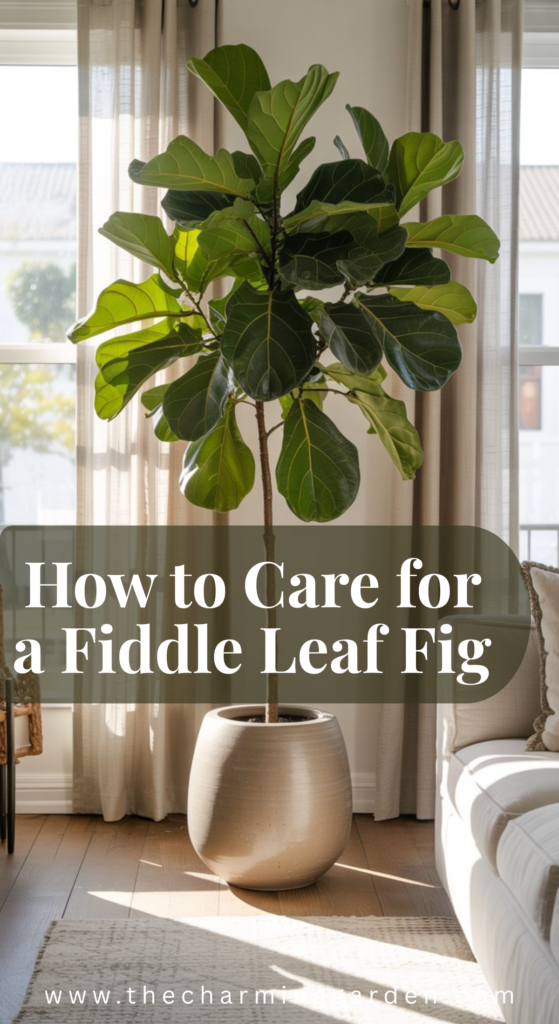
- Near an east- or south-facing window (filtered by sheer curtains if needed)
Avoid:
- Dark corners or rooms with only overhead lighting
- Constantly moving the plant from spot to spot
Once you find a good location, leave it there. Fiddle leaf figs strongly dislike change and may drop leaves if moved too often.
Watering: Less Often, More Intentionally
Overwatering is the fastest way to upset a fiddle leaf fig.
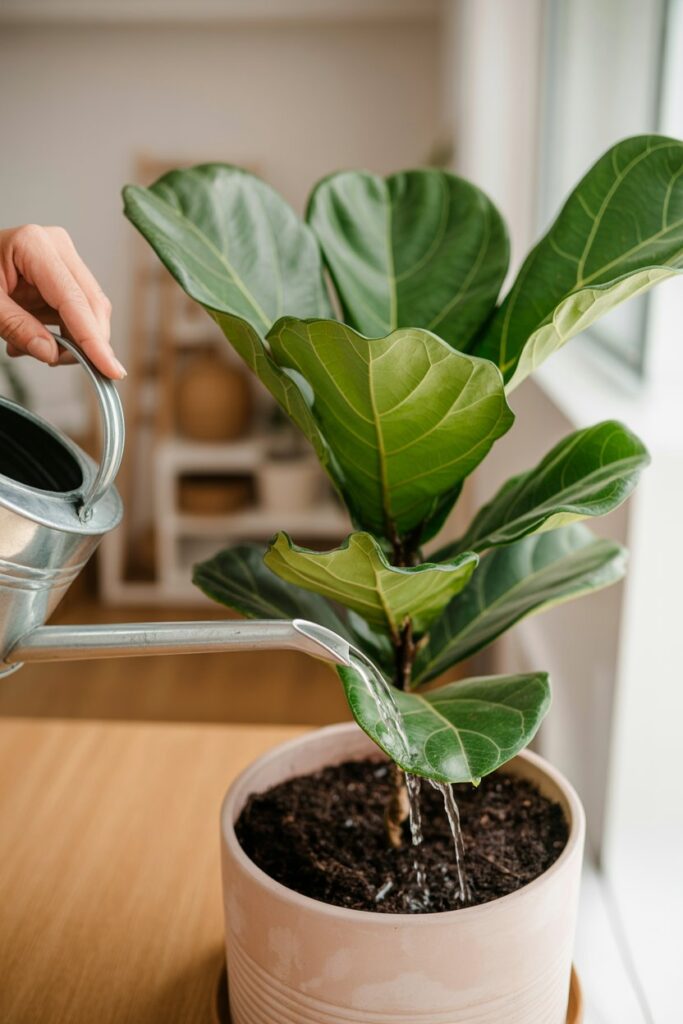
How to water properly:
- Water only when the top 2–3 inches of soil are dry
- Water slowly and deeply until excess drains from the bottom
- Empty the saucer—never let the plant sit in water
Seasonal note:
- Spring & summer: water about once a week (depending on light and humidity)
- Fall & winter: reduce watering significantly
If you’re unsure, wait another day. Slight dryness is far safer than soggy soil.
Soil & Potting: Drainage Is Non‑Negotiable
Fiddle leaf figs need excellent drainage to prevent root rot.
Ideal setup:
- A high-quality indoor potting mix with added perlite or bark
- A pot with drainage holes (no exceptions)
Repot every 1–2 years in spring, sizing up only 1–2 inches. Too much extra soil can hold excess moisture and cause problems.
Temperature & Humidity: Think Warm and Stable
Native to tropical environments, fiddle leaf figs prefer conditions that mimic that climate.
Ideal range:
- Temperature: 65–80°F
- Moderate humidity
Tips:
- Keep away from cold drafts, heaters, and AC vents
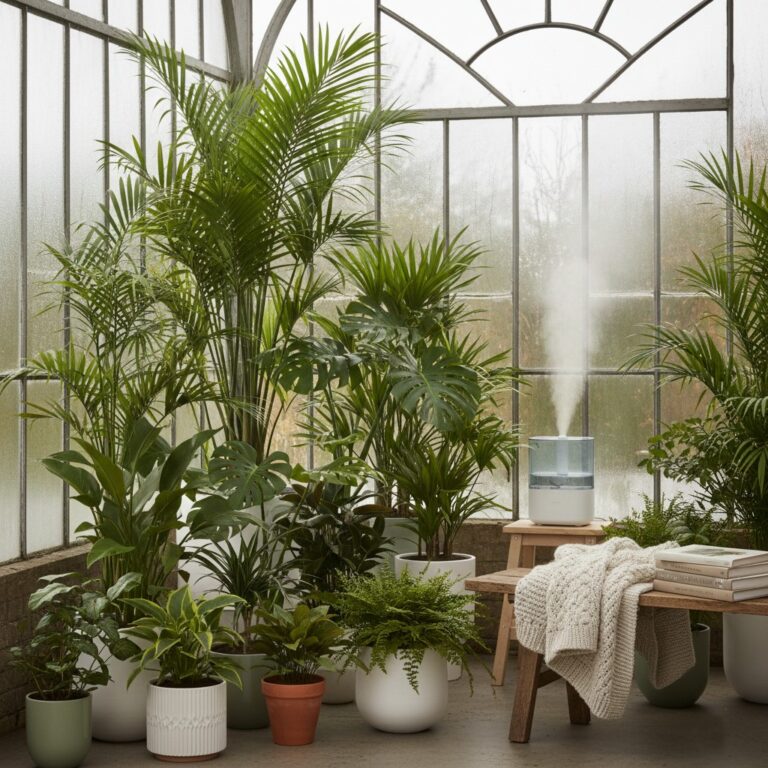
- If your home is dry, occasional misting or a nearby humidifier helps
Consistency matters more than perfection.
Feeding: Gentle, Seasonal Support
During the growing season, fiddle leaf figs appreciate a little nutritional boost.
- Use a balanced liquid houseplant fertilizer
- Feed once a month in spring and summer
- Skip fertilizing in fall and winter
Over-fertilizing can cause leaf burn, so more is not better here.
Leaf Care: Don’t Skip This Step
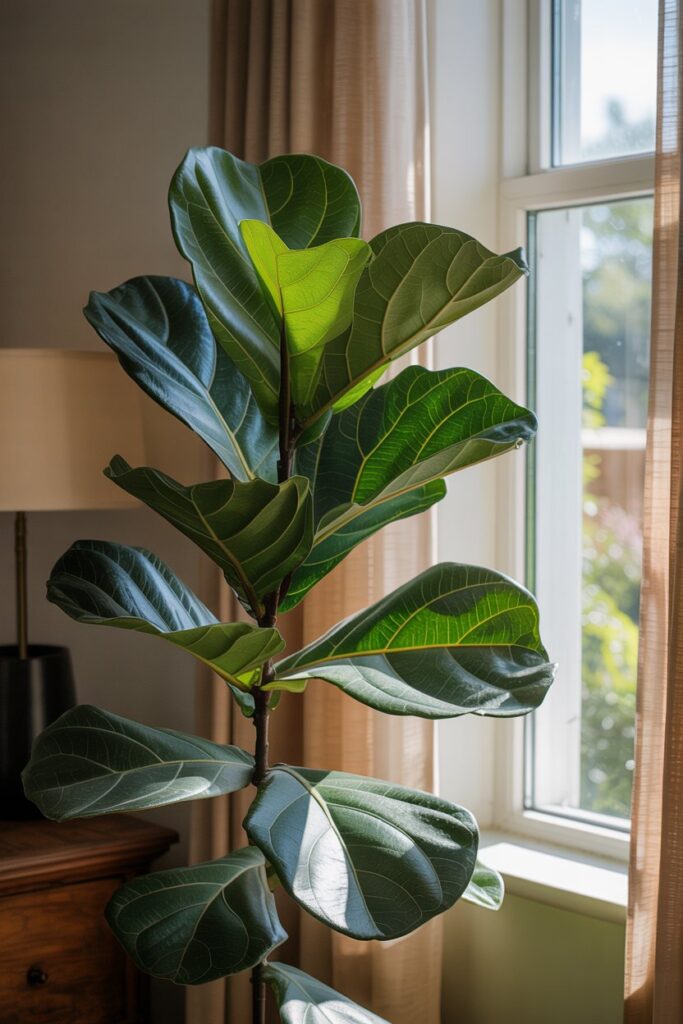
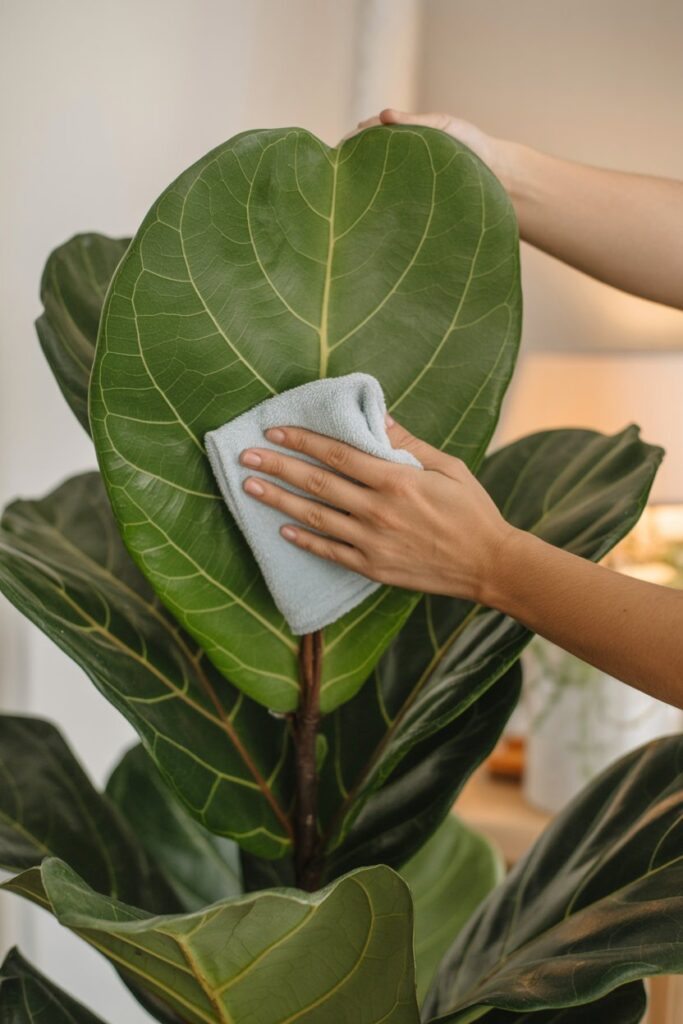
Those large leaves aren’t just for show—they need regular maintenance.
- Dust leaves every few weeks with a damp cloth
- Clean leaves absorb more light and photosynthesize better
Bonus: this is also a great time to check for pests.
Common Problems (and What They Mean)
Brown spots or edges:
- Often caused by inconsistent watering or low humidity
Yellowing leaves:
- Usually a sign of overwatering
Sudden leaf drop:
- Temperature changes, drafts, or being moved too often
Most issues can be corrected once you identify the cause—don’t panic.
Final Thoughts
A fiddle leaf fig isn’t a “set it and forget it” plant—but once you learn its rhythm, it becomes surprisingly rewarding. Give it bright light, steady care, and a little patience, and it will grow into a stunning, statement-making tree that brings life and elegance to your space.
Treat it well, and your fiddle leaf fig will absolutely return the favor.