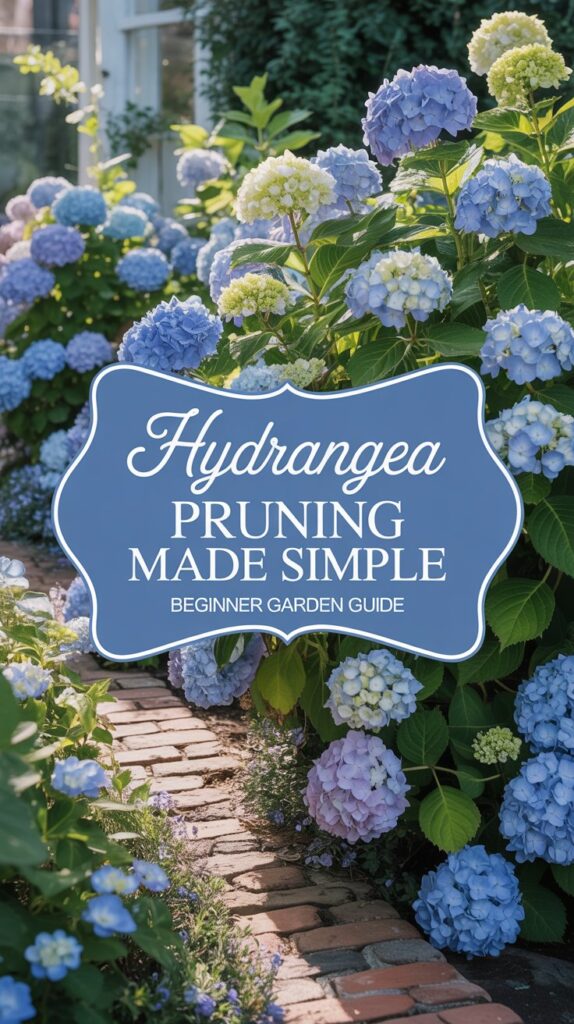
Hydrangea Pruning Made Simple
A No-Stress Guide to Bigger, Better Blooms
There is nothing quite like hydrangeas in bloom.
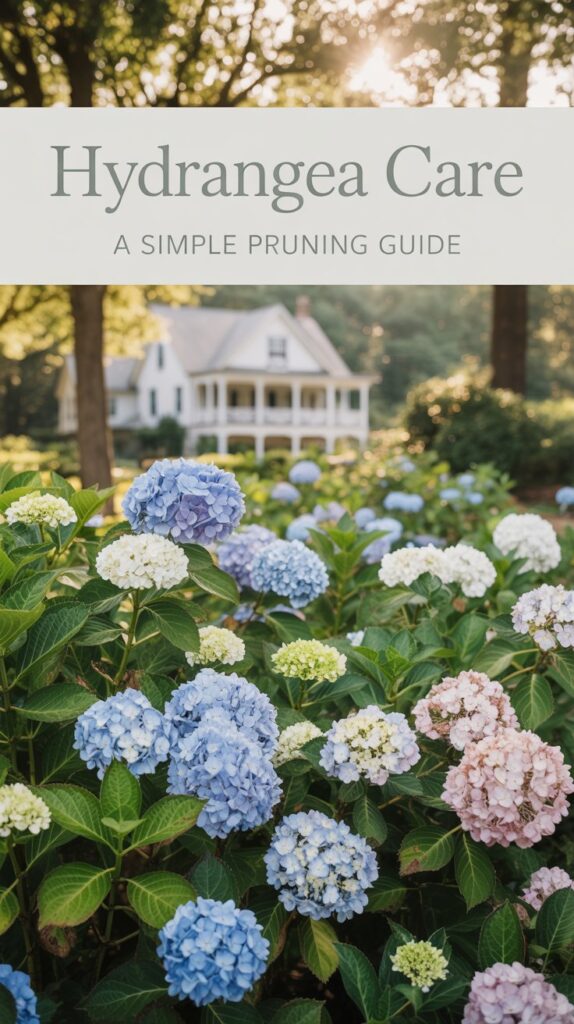
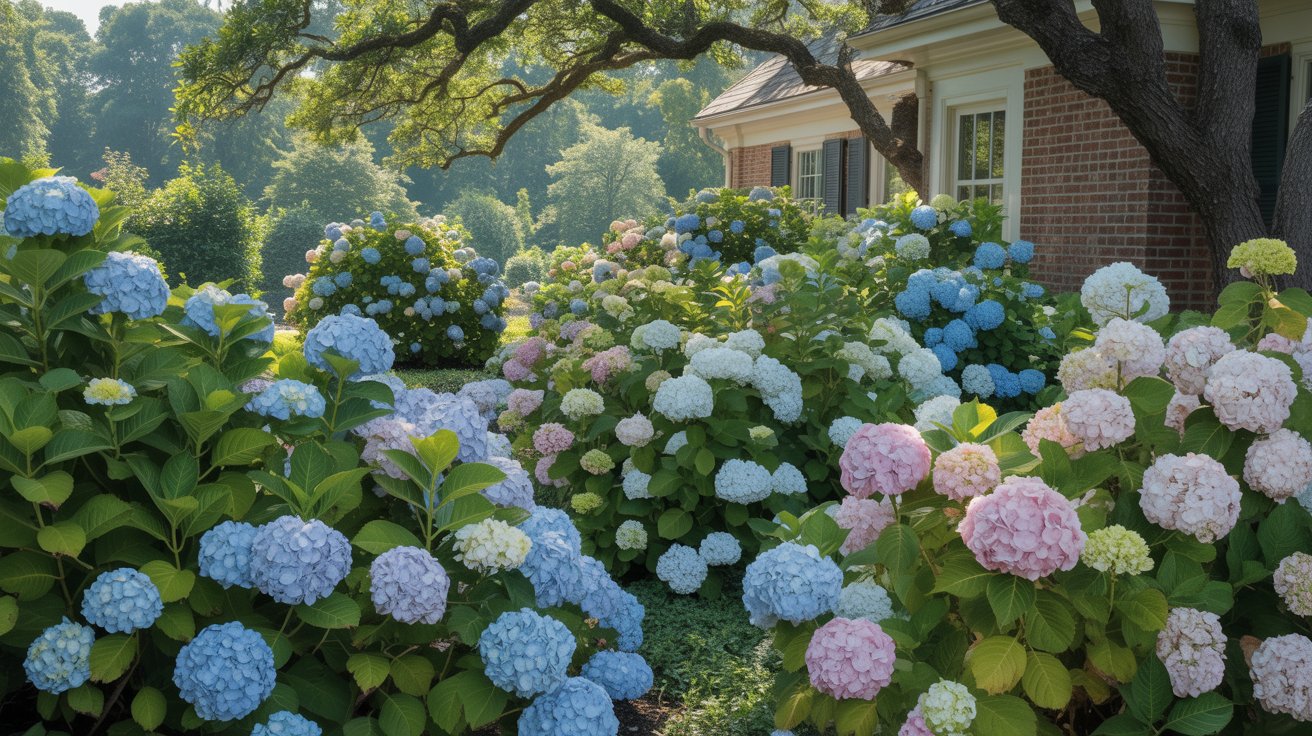
Billowy blue mopheads. Crisp white panicles glowing in evening light. Soft blush lacecaps tucked beneath shade trees. Whether you garden in Minnesota or Mississippi, hydrangeas bring that unmistakable cottage charm that feels both timeless and generous.
But if you’ve ever stood in front of your hydrangea with pruners in hand thinking,
“What if I cut off all the blooms?” — you’re not alone.
Hydrangea pruning has a reputation for being confusing. And honestly? It can be — if you don’t know one simple thing.
The good news is this:
Hydrangea pruning isn’t complicated.
It’s just specific.
Once you understand how your particular hydrangea blooms, everything else falls into place. And from there, you can prune with confidence — without sacrificing a single flower.
Let’s make it simple.
The One Thing You Must Know First
Before you cut anything, you need to know:
Does your hydrangea bloom on old wood or new wood?
That’s it. That’s the secret.
- Old wood bloomers form their flower buds the previous summer.
- New wood bloomers form buds on the current season’s growth.
If you prune an old-wood hydrangea at the wrong time, you’ll remove this year’s flowers. If you prune a new-wood type too early, you’ll just delay its shape — but you won’t lose blooms.
In the South, where growing seasons are long and warm, timing matters even more.
Common Hydrangeas
1. Bigleaf Hydrangea (Hydrangea macrophylla)
(Mophead and Lacecap types)
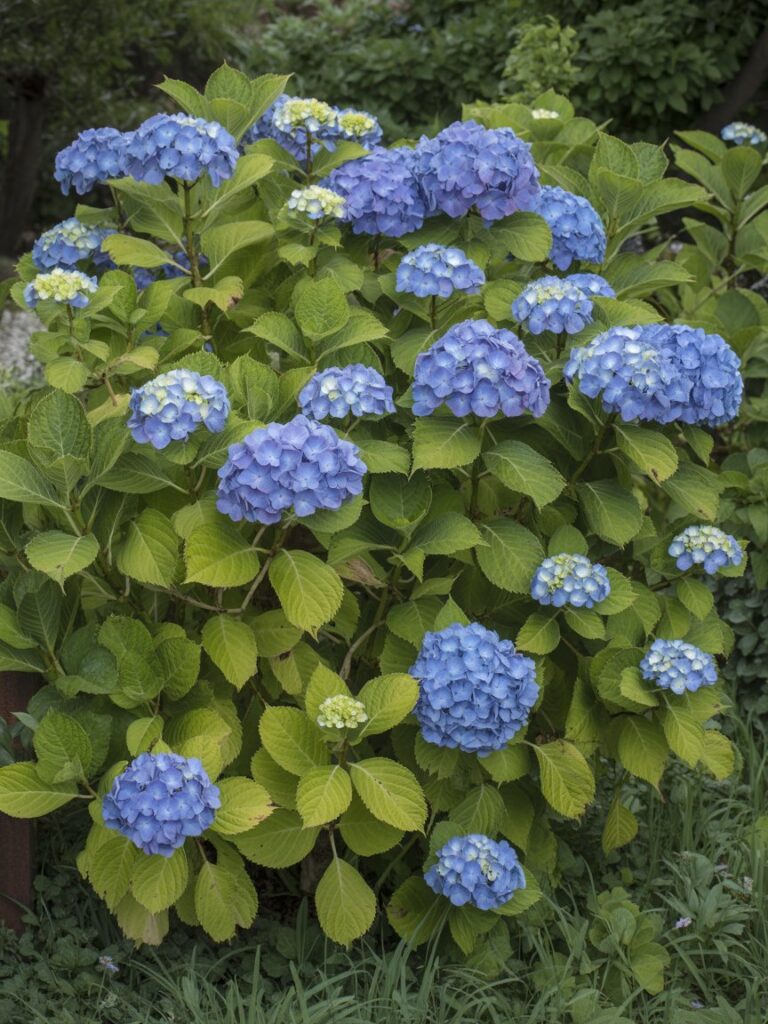
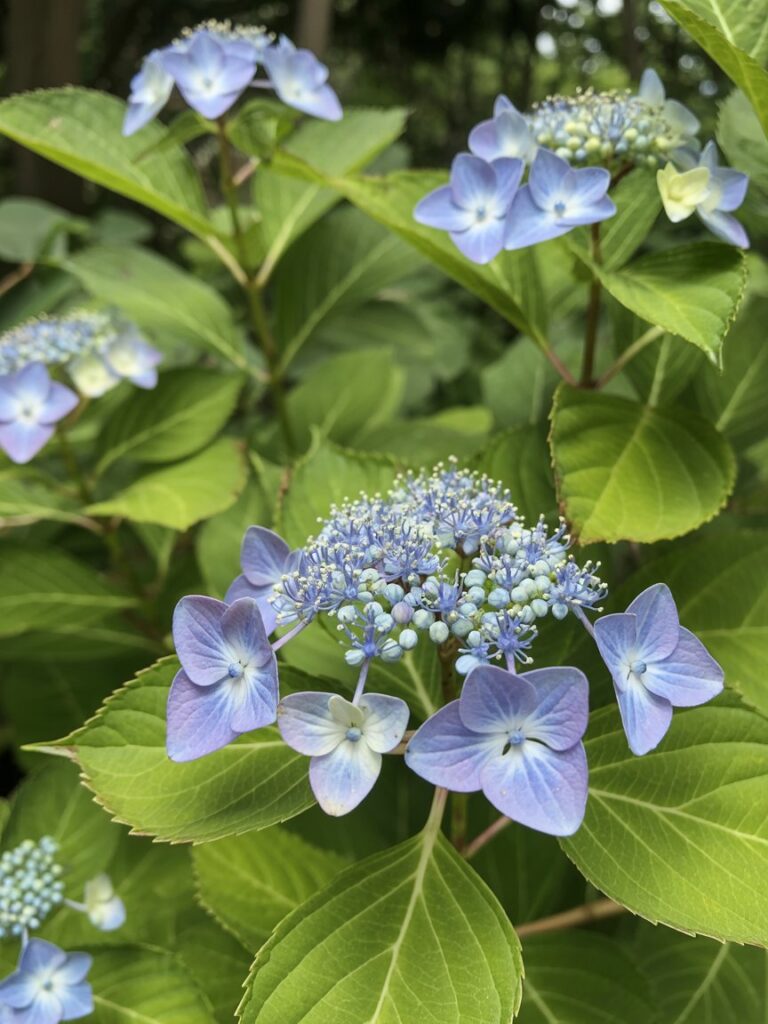
- Blooms on old wood
- Popular colors: blue, pink, purple
- Often found in shaded gardens
Pruning rule:
Prune lightly, and only right after flowering (early to mid-summer).
In early spring, only remove:
- Dead stems
- Winter-damaged wood
- Weak growth at the base
Do not cut the whole plant back in March. That’s how blooms disappear.
2. Oakleaf Hydrangea (Hydrangea quercifolia)
A Southern native and absolute showstopper.
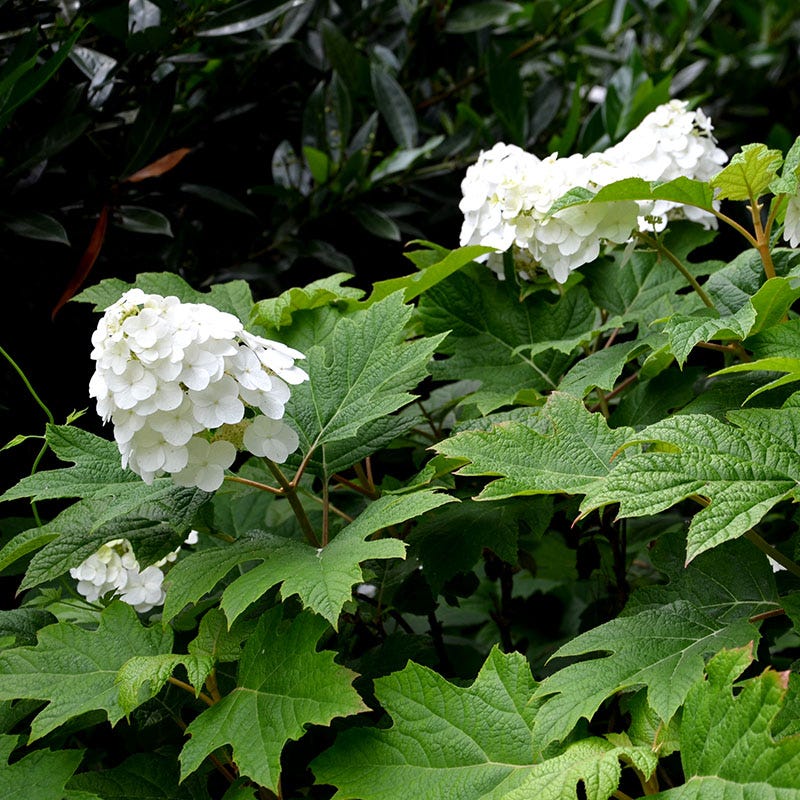
- Blooms on old wood
- Cone-shaped white blooms
- Gorgeous fall foliage
Pruning rule:
Very minimal pruning. Shape only after flowering if needed.
Oakleaf hydrangeas naturally form a beautiful arching habit. In most Southern gardens, they need little more than removing dead or crossing branches in early spring.
3. Panicle Hydrangea (Hydrangea paniculata)
Think ‘Limelight,’ ‘Little Lime,’ and other tall, cone-blooming varieties.
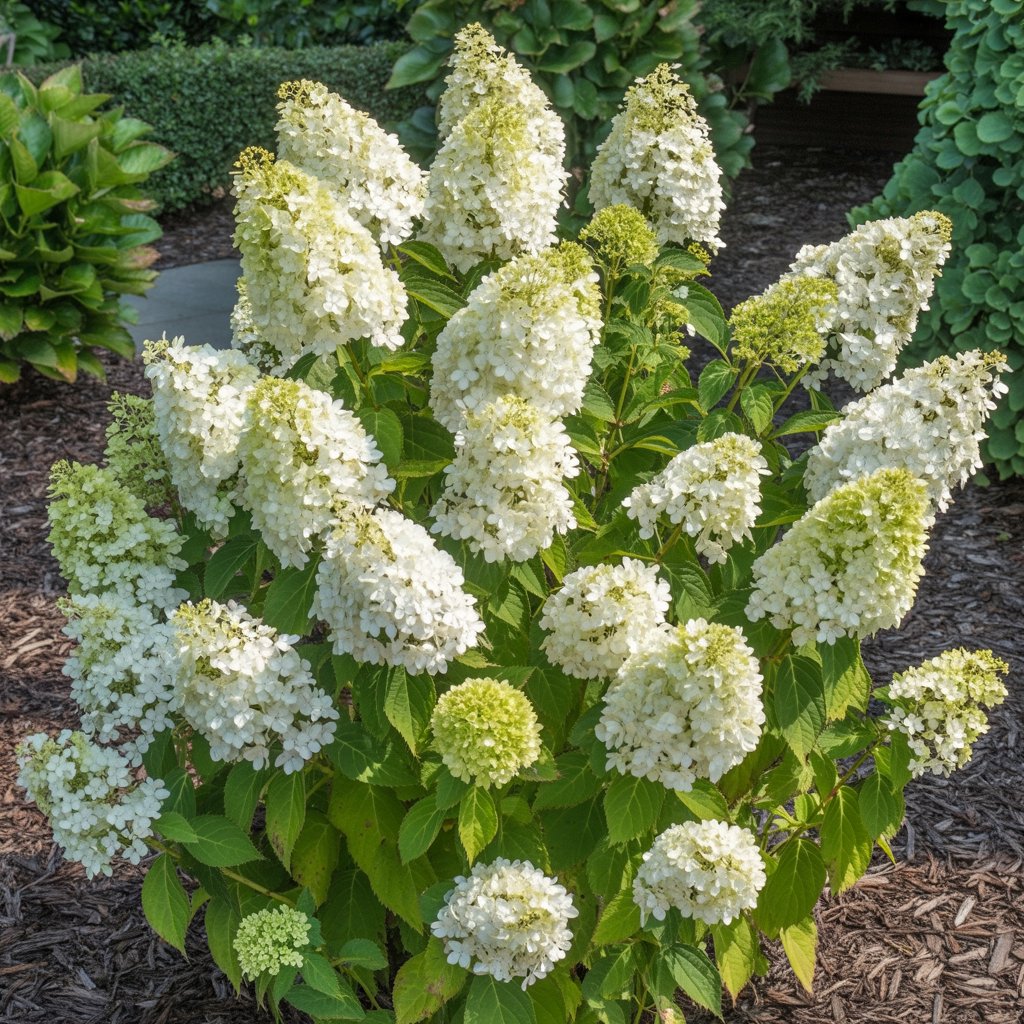
- Blooms on new wood
- Extremely heat-tolerant
- Very forgiving
Pruning rule:
Prune in late winter to very early spring (February–early March in most Southern zones).
You can cut these back by:
- One-third for light shaping
- Up to half for stronger stems and larger blooms
These are the safest hydrangeas for Southern gardeners who love a good tidy-up.
4. Smooth Hydrangea (Hydrangea arborescens)
This includes the beloved ‘Annabelle.’
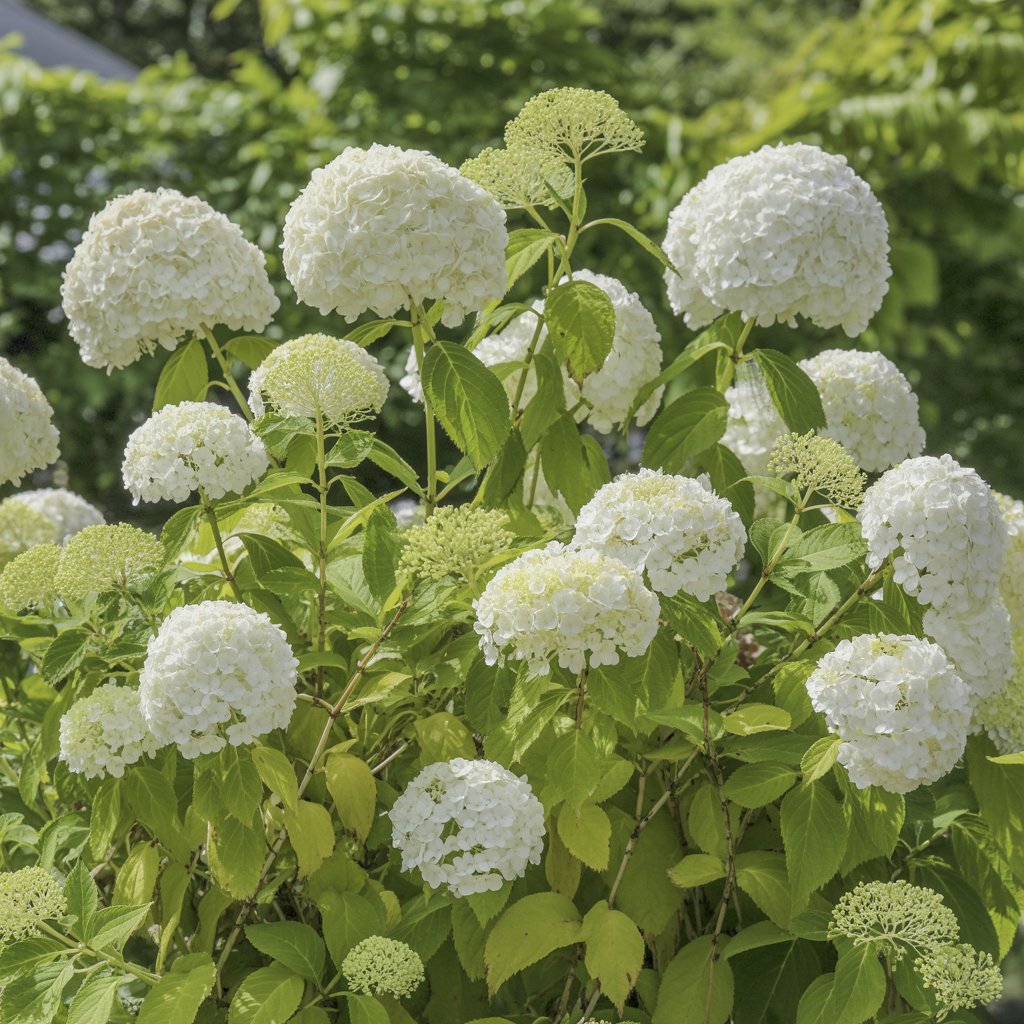
- Blooms on new wood
- Large white globe blooms
- Very cold and heat tolerant
Pruning rule:
Cut back to 12–18 inches from the ground in late winter or very early spring.
This encourages stronger stems and better structure. In the South, aim to finish pruning before active growth begins in March.
Hydrangea Pruning Comparison Guide
| Hydrangea Type | Botanical Name | Bloom Wood | When to Prune | How Much to Prune | Beginner-Friendly? |
|---|---|---|---|---|---|
| Bigleaf (Mophead & Lacecap) | Hydrangea macrophylla | Old Wood | Immediately after flowering (summer) | Light shaping only | ❗ Moderate |
| Oakleaf | Hydrangea quercifolia | Old Wood | After flowering (summer) | Minimal pruning | ✔ Yes |
| Panicle (Limelight, etc.) | Hydrangea paniculata | New Wood | Late winter / early spring | ⅓–½ of plant | ✔✔ Very |
| Smooth (Annabelle) | Hydrangea arborescens | New Wood | Late winter / early spring | Cut back to 12–18” | ✔✔ Very |
| Mountain Hydrangea | Hydrangea serrata | Old Wood | After flowering | Light shaping only | ❗ Moderate |
| Reblooming Varieties (Endless Summer®, etc.) | Usually macrophylla hybrids | Old + New Wood | Light prune only; avoid hard cuts | Minimal | ✔ Yes (very forgiving) |
How to Adjust Pruning Timing by Growing Zone
Step 1: Identify Your USDA Hardiness Zone
2023 USDA Plant Hardiness Zone Map | USDA Plant Hardiness Zone Map
Step 2: Use This Timing Guide
For New Wood Bloomers (Panicle & Smooth)
Prune in late winter before active growth begins.
- Zones 3–5 → Late March to April
- Zones 6–7 → Late February to March
- Zones 8–9 → January to February
- Zone 10 → Light prune during coolest dormant period
The key is pruning while the plant is dormant but before new growth accelerates.
For Old Wood Bloomers (Bigleaf, Oakleaf, Mountain)
- Remove dead wood in early spring.
- Shape only immediately after flowering, regardless of zone.
In colder zones (3–5), wait until frost danger has passed before removing what appears to be dead wood — some stems may be slow to leaf out.
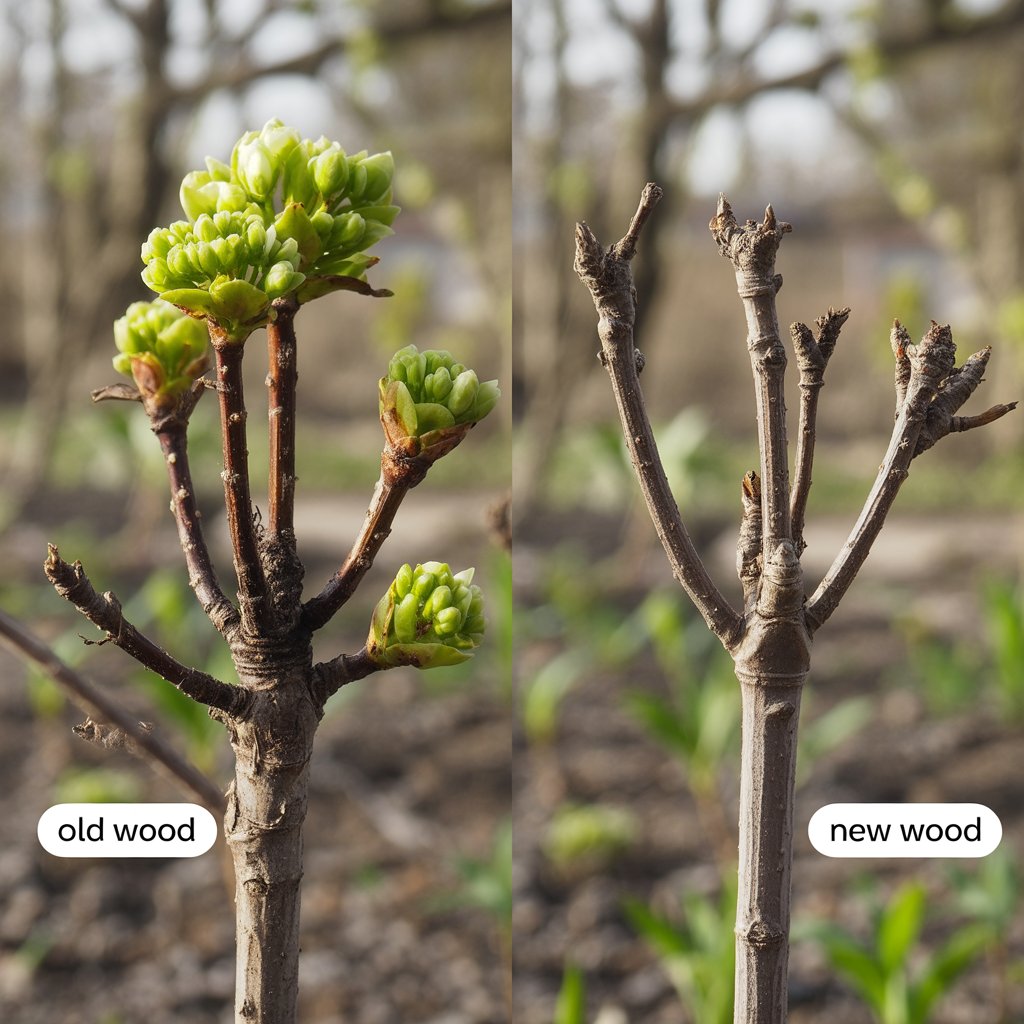
How to Tell If You’re About to Cut Off Blooms
Look closely at the stems in early spring:
- Swollen green buds along last year’s stems?
That’s an old-wood bloomer. Don’t cut it back. - Bare woody stems with no visible bud clusters yet?
Likely a new-wood bloomer. Safe to prune.
Common Pruning Mistakes
Let’s save you some heartbreak:
- Cutting bigleaf hydrangeas to the ground in spring
- Pruning oakleaf hydrangeas in late winter
- Ignoring dead wood that invites disease
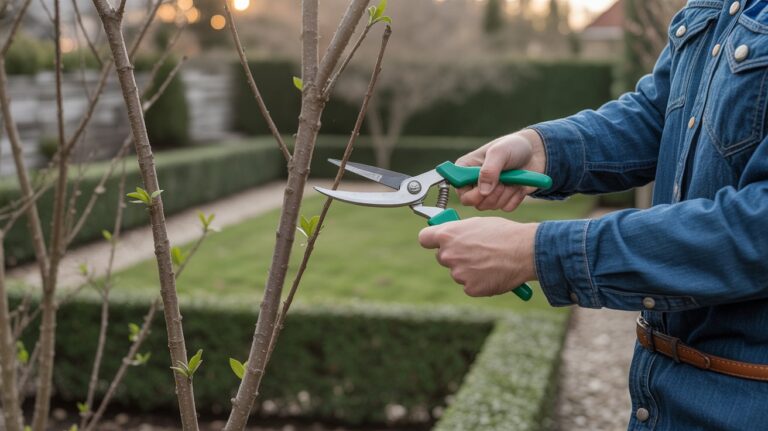
- Using dull pruners that crush stems
Clean, sharp cuts matter. Always disinfect tools between plants if disease is suspected.
A Gentle Approach Works Best
Southern gardens thrive on rhythm, not force.
Hydrangeas are not boxwoods. They don’t need aggressive shaping. In fact, most mature hydrangeas benefit from less pruning than you think.
Step back.
Observe the buds.
Then prune with intention.
Your summer blooms will thank you.