Making a Design Statement with Houseplants: Rooms That Inspire
Want design inspiration to bring natural elements to your indoor spaces?
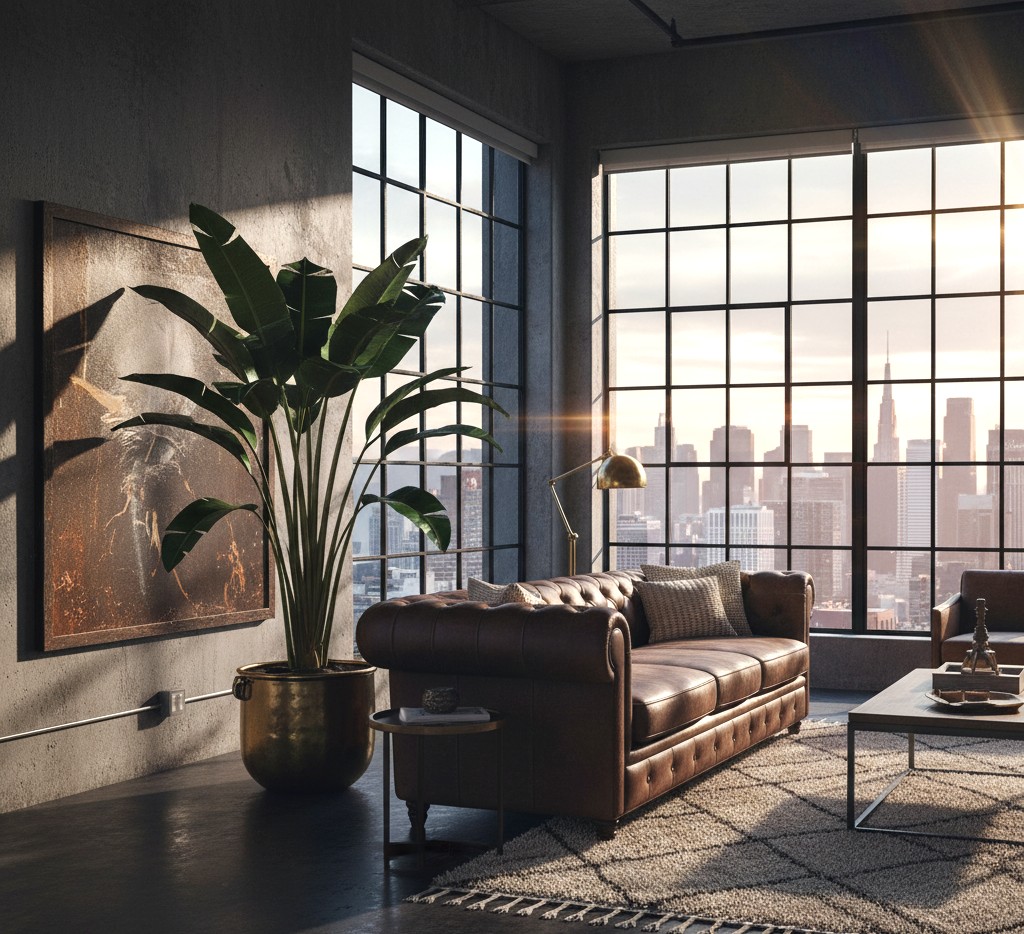
There’s something undeniably transformative about healthy, thriving indoor plants. In your sanctuary—where every detail counts—large houseplants become more than décor. They add height, contrast, texture, and a sense of life that softens even the most formal spaces.
Whether you love the sculptural drama of a Fiddle Leaf Fig or the architectural silhouette of a Monstera, the right plant in the right room can instantly elevate your home.
Below, explore elegant ways to style large indoor plants in living rooms, home offices, libraries, bedrooms, and more—plus practical tips for choosing low-maintenance houseplants that truly thrive.

Choosing the Best Low-Maintenance Indoor Plants
If you want form and function, start with these tried-and-true varieties:
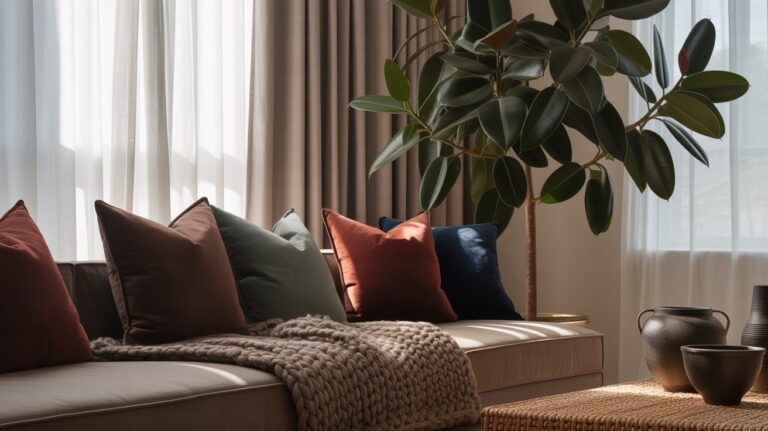
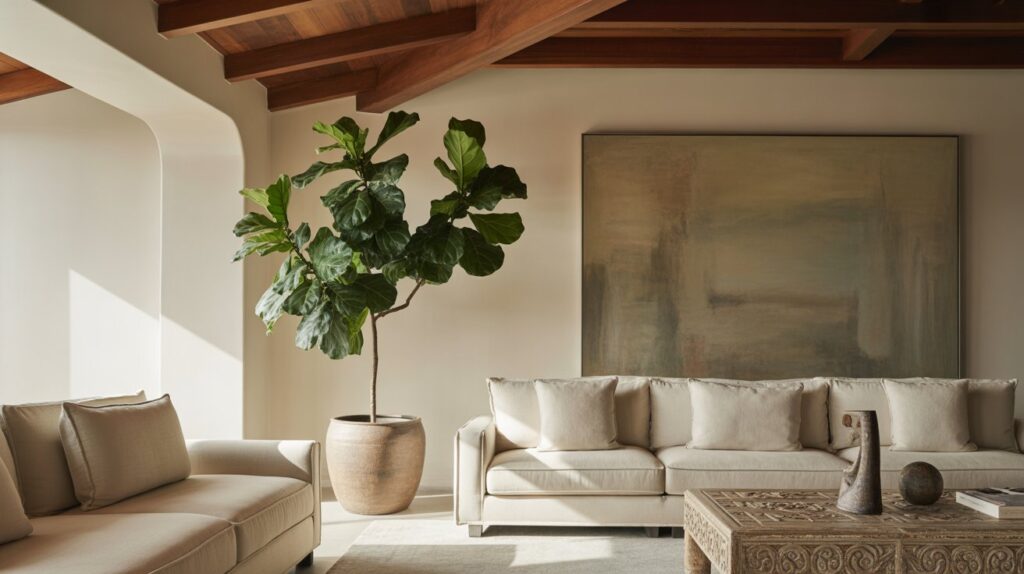
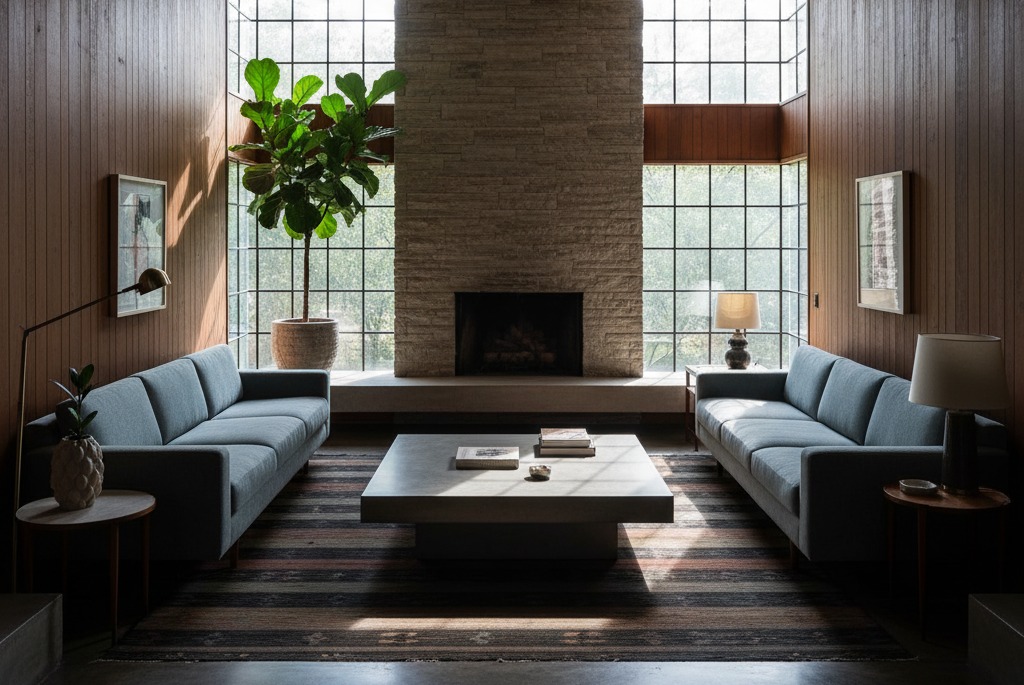
Fiddle Leaf Fig (Ficus lyrata)
- Look: Tall, dramatic, sculptural.
- Lighting: Bright, indirect. Handles morning sun.
- Notes: Water when the top 2–3 inches of soil are dry.
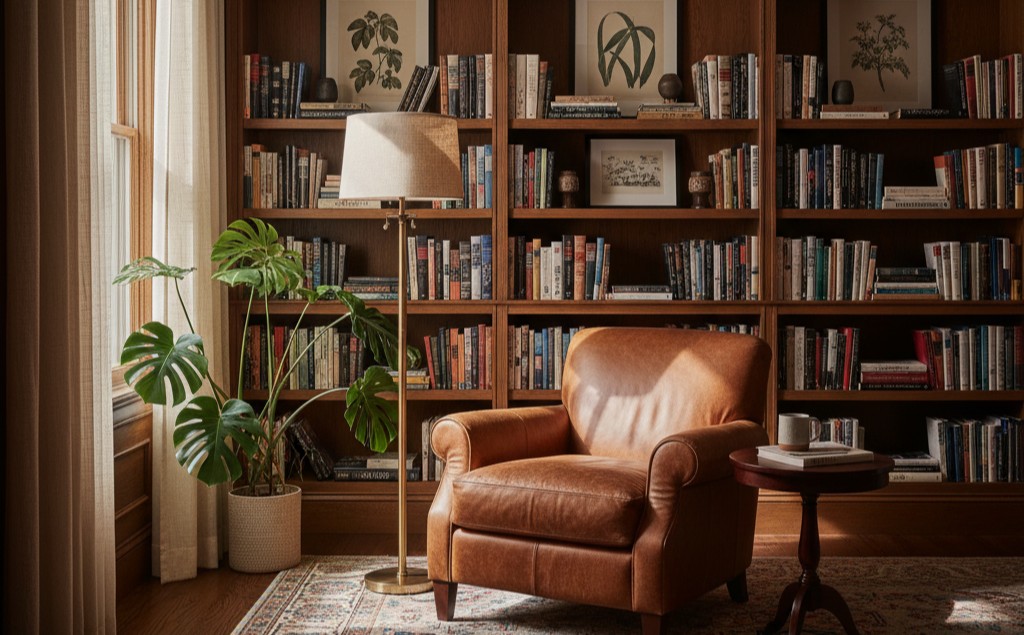
Monstera Deliciosa
- Look: Tropical, architectural, glossy split leaves.
- Lighting: Medium to bright indirect.
- Notes: Low-maintenance and adaptable.
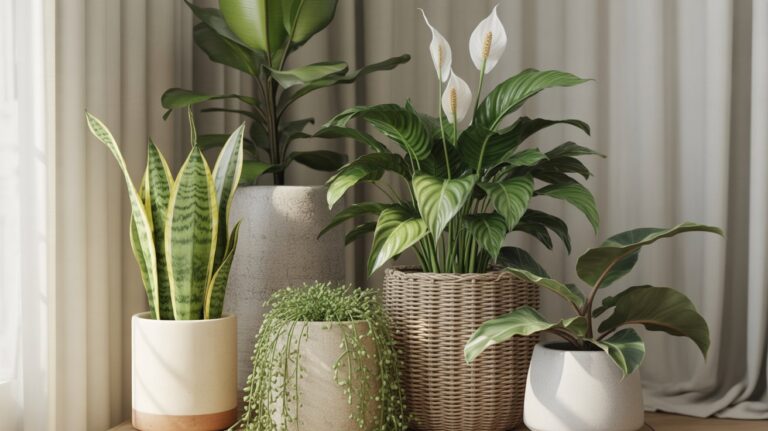
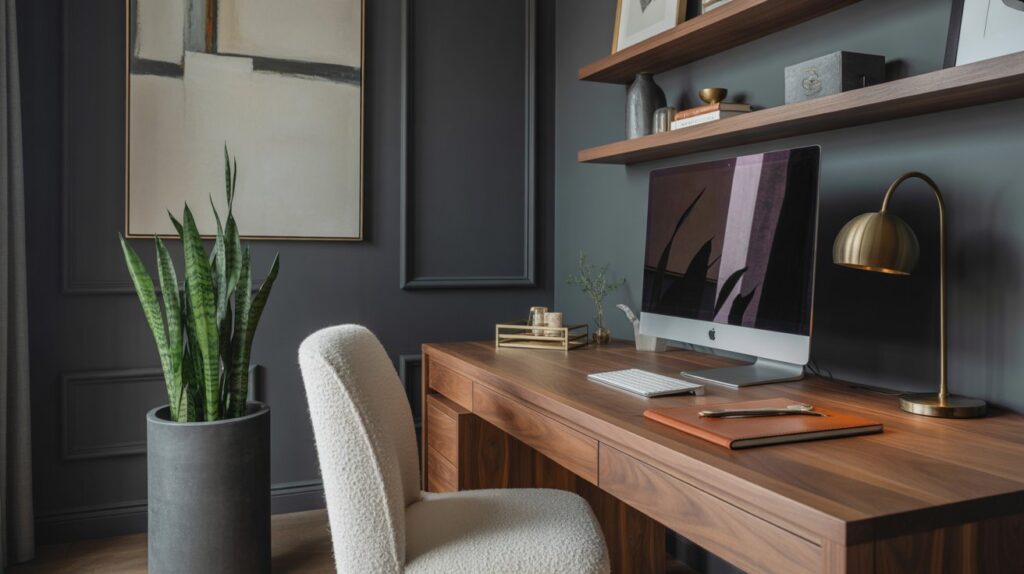
Snake Plant (Sansevieria)
- Look: Sleek, upright sword-like leaves.
- Lighting: Low to bright light.
- Notes: Practically indestructible.
ZZ Plant
- Look: Shiny, lush, great structure.
- Lighting: Low to medium.
- Notes: Thrives on neglect.
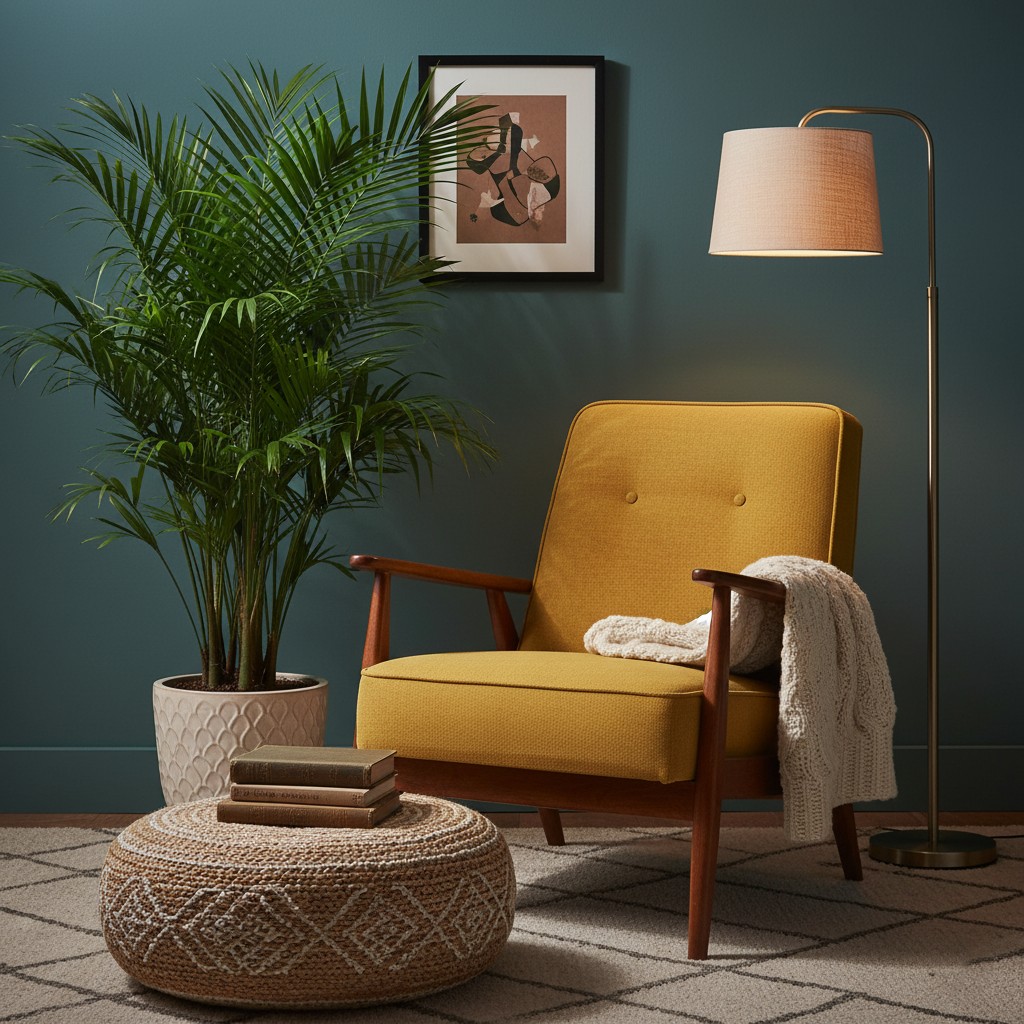
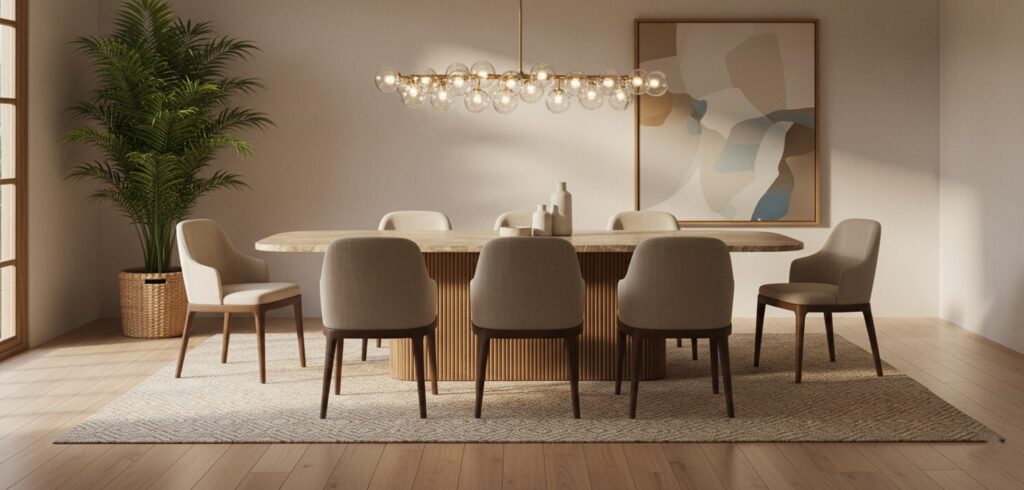
Parlor Palm
- Look: Airy, classic, soft greenery.
- Lighting: Medium to low indirect.
- Notes: Great for traditional and transitional rooms.
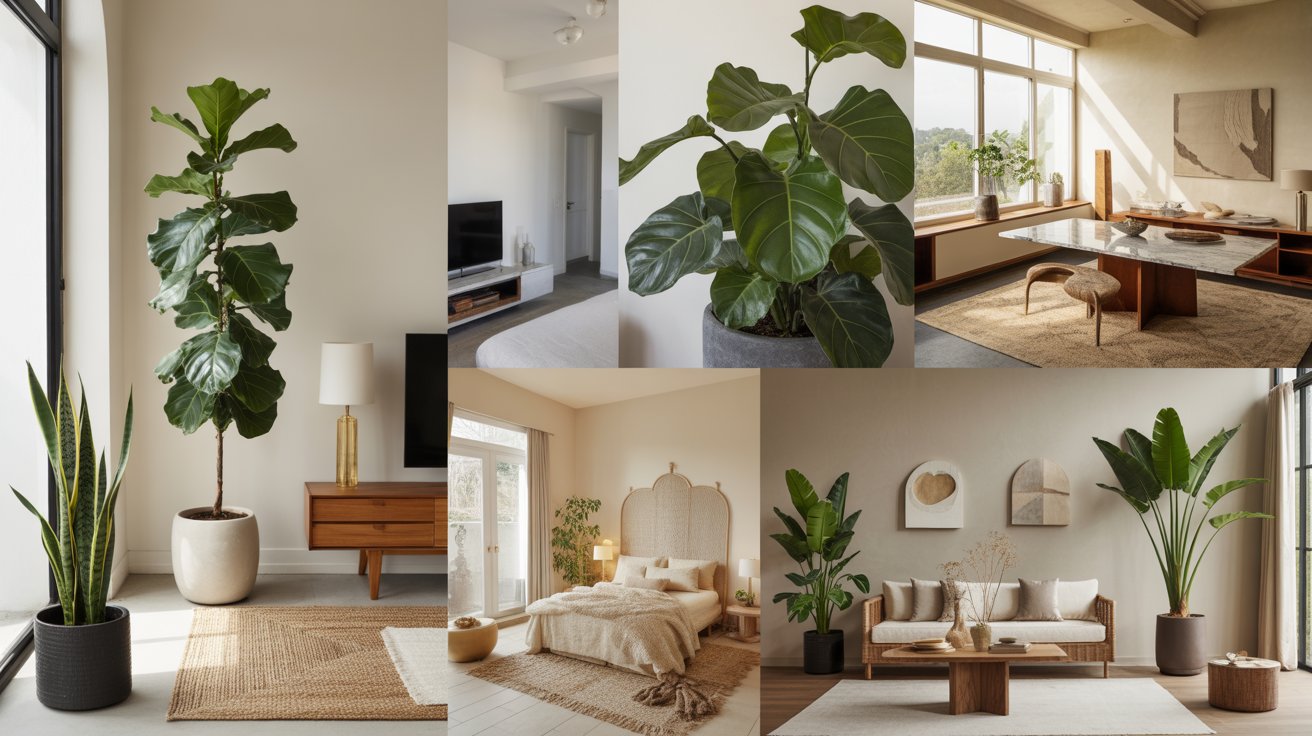
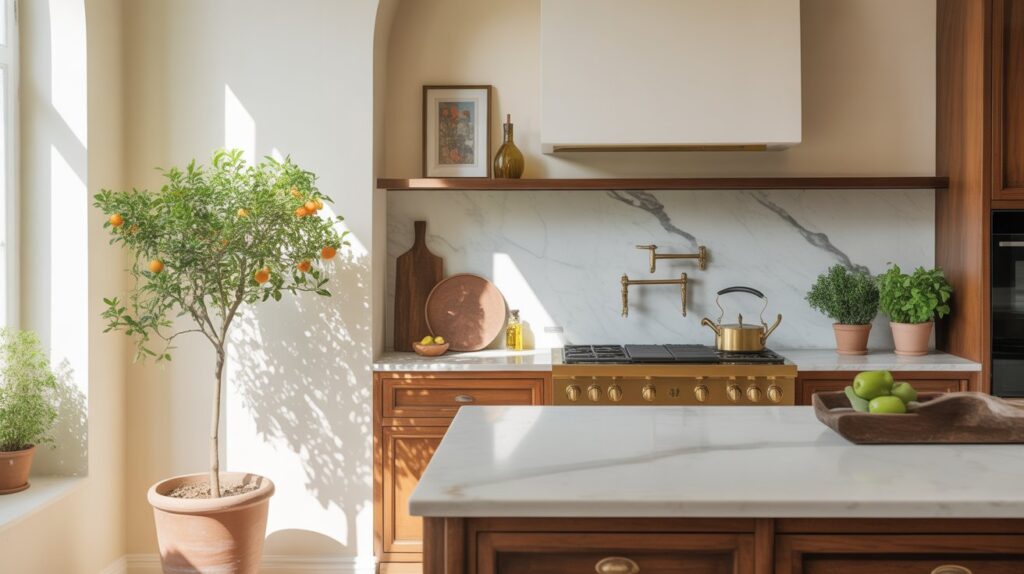
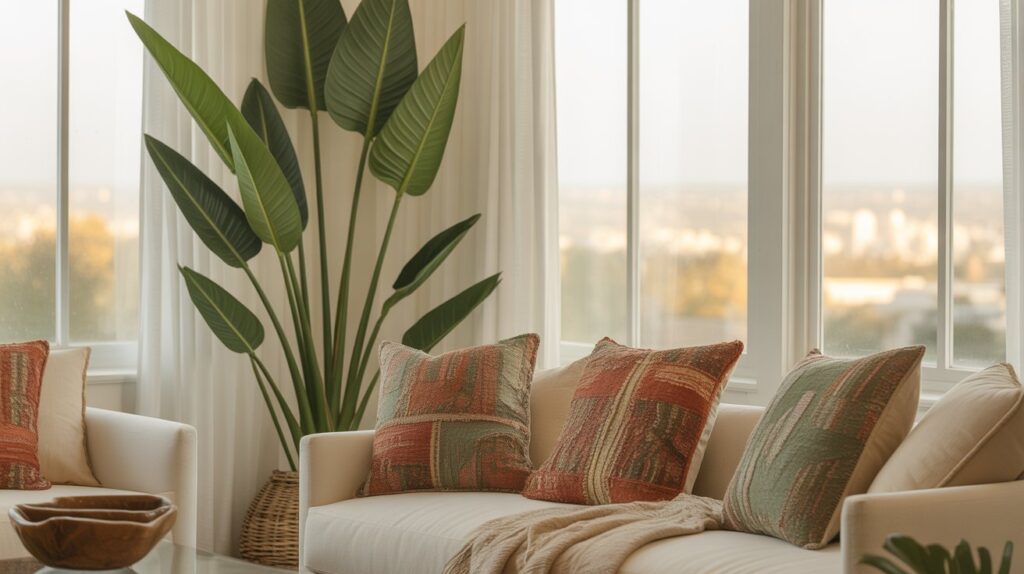
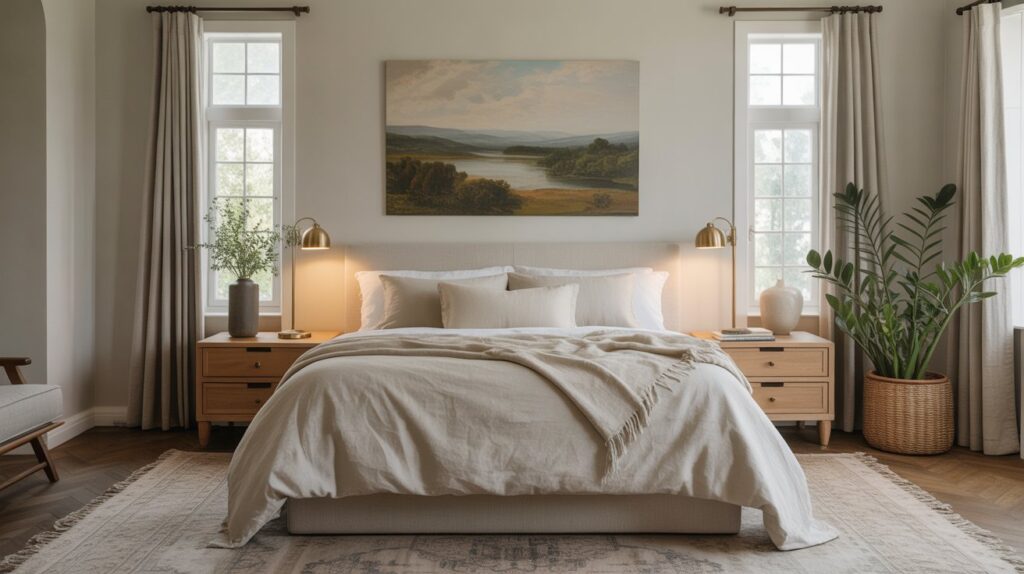
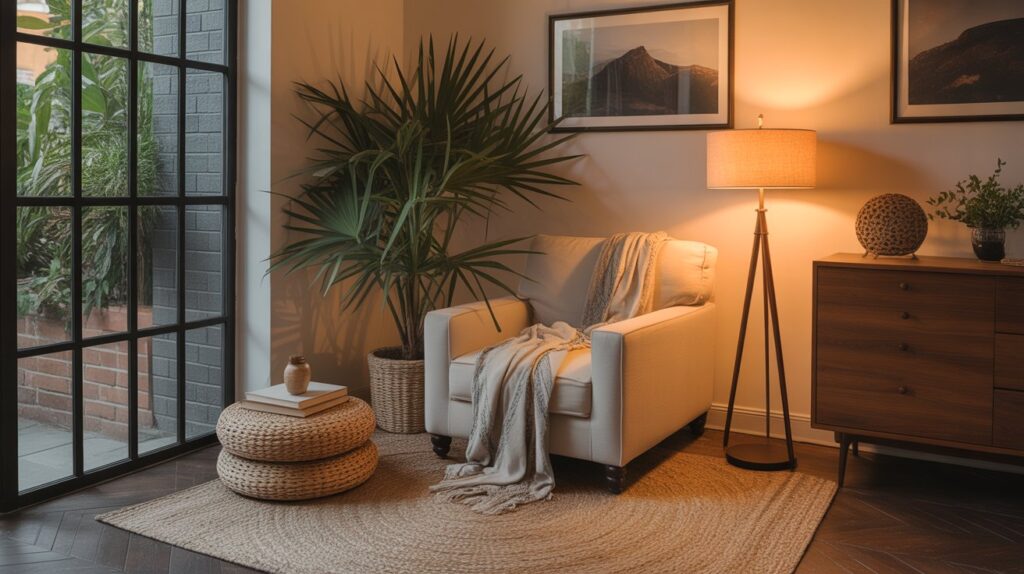
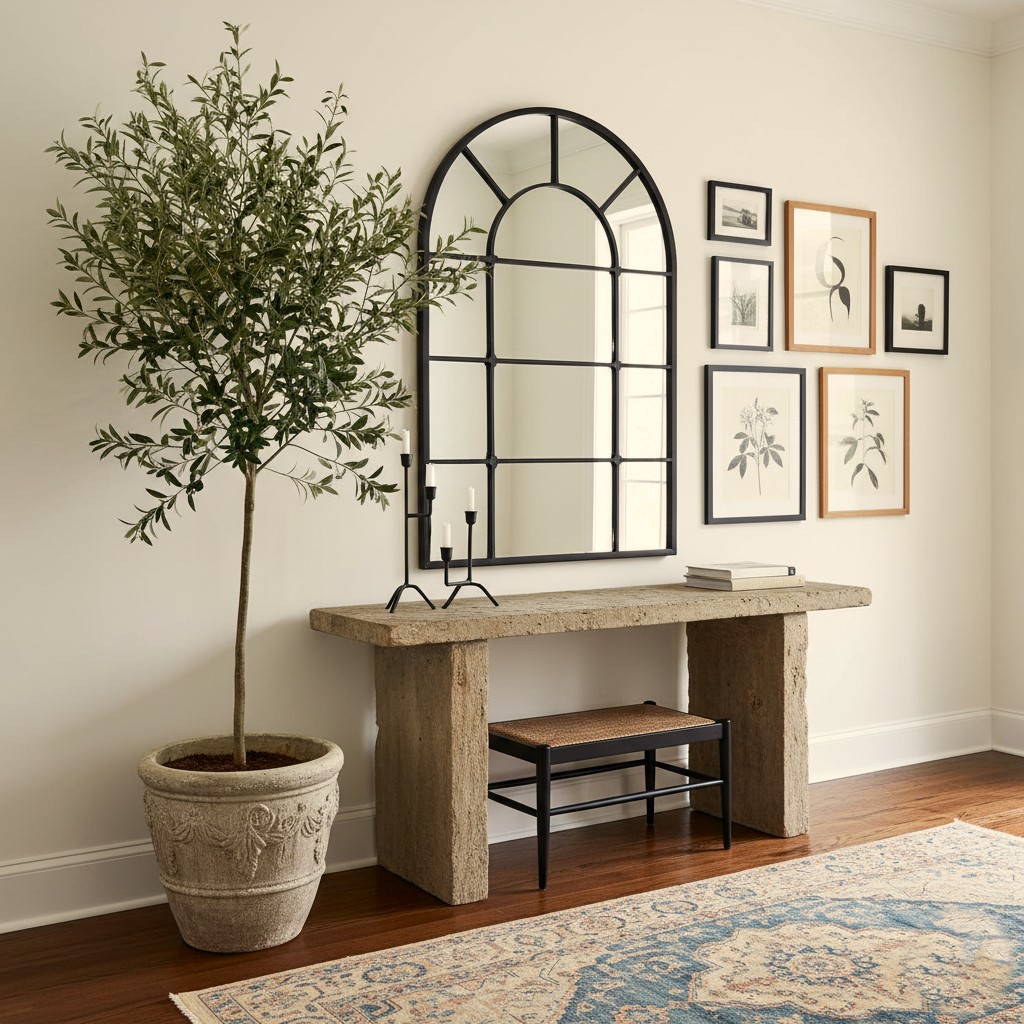
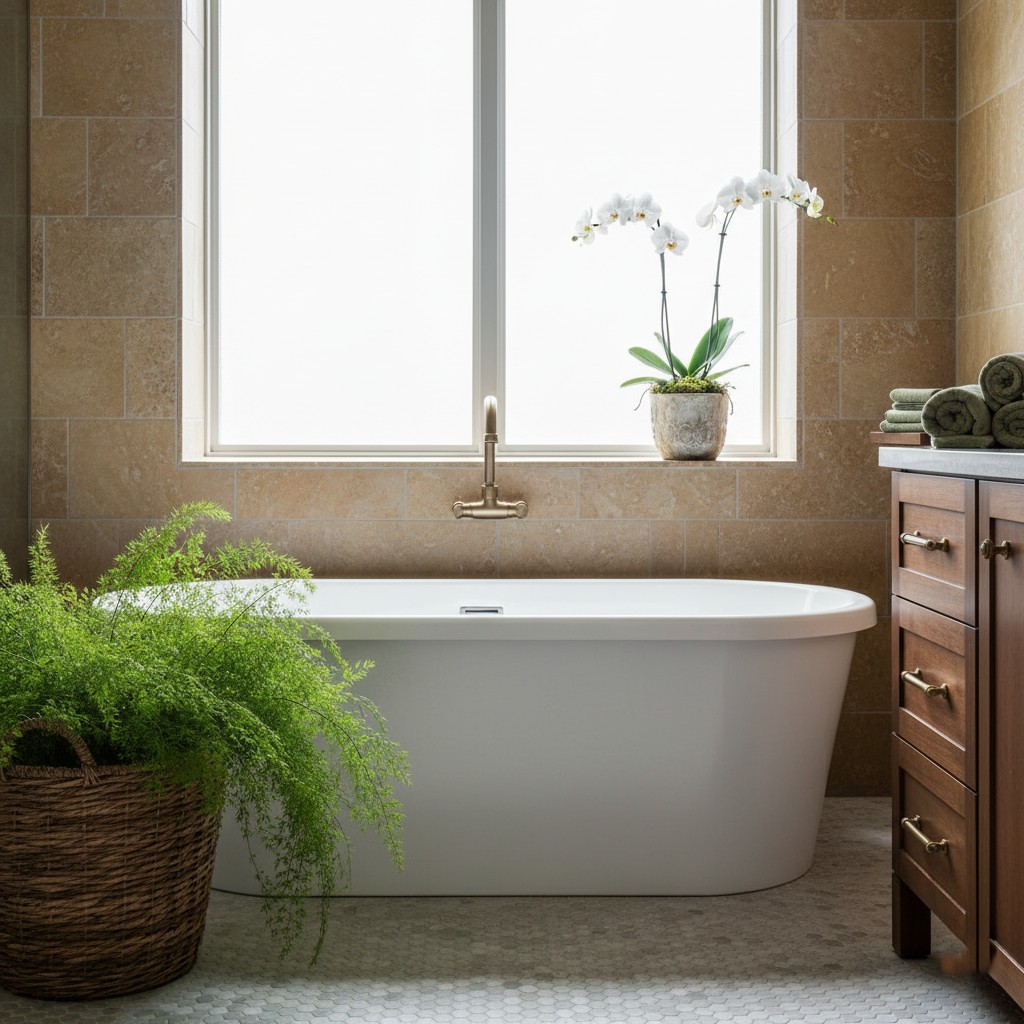
Gallery
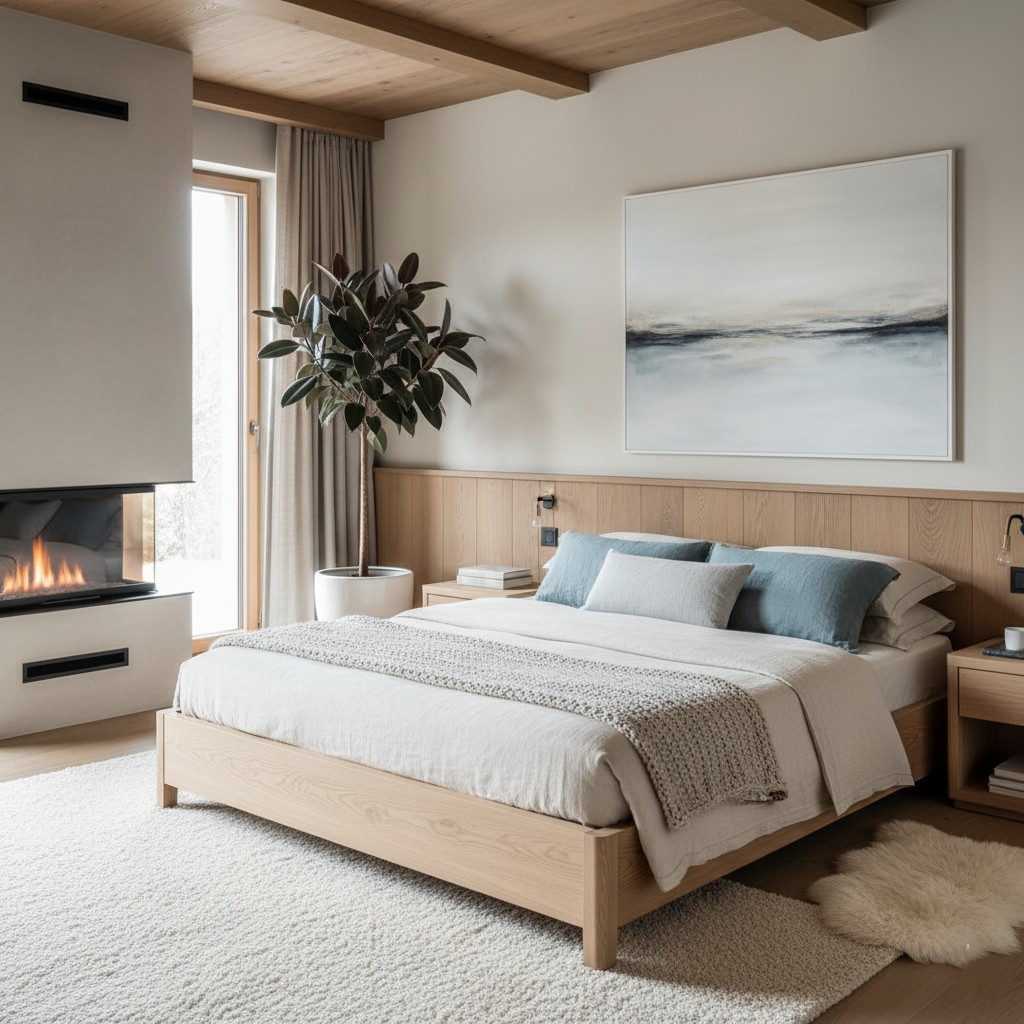
Lighting Basics for Indoor Plants
Bright Indirect Light:
Near east- or west-facing windows; perfect for Monstera, Fiddle Leaf Fig, Bird of Paradise.
Medium Light:
A few feet from a window or rooms with good daylight; suits ZZ Plant, Snake Plant, Parlor Palm.
Low Light:
Corners far from windows or rooms with small windows; Snake Plant and ZZ Plant still thrive here.
Pro Tip: Rotate plants monthly so they grow evenly and maintain their shape.
Low-Maintenance Care Tips
- Water less often rather than more—overwatering is the #1 plant killer.
- Use a moisture meter if you need help gauging hydration.
- Dust large leaves monthly for shine and better photosynthesis.
- Upgrade nursery pots to designer planters with drainage trays.