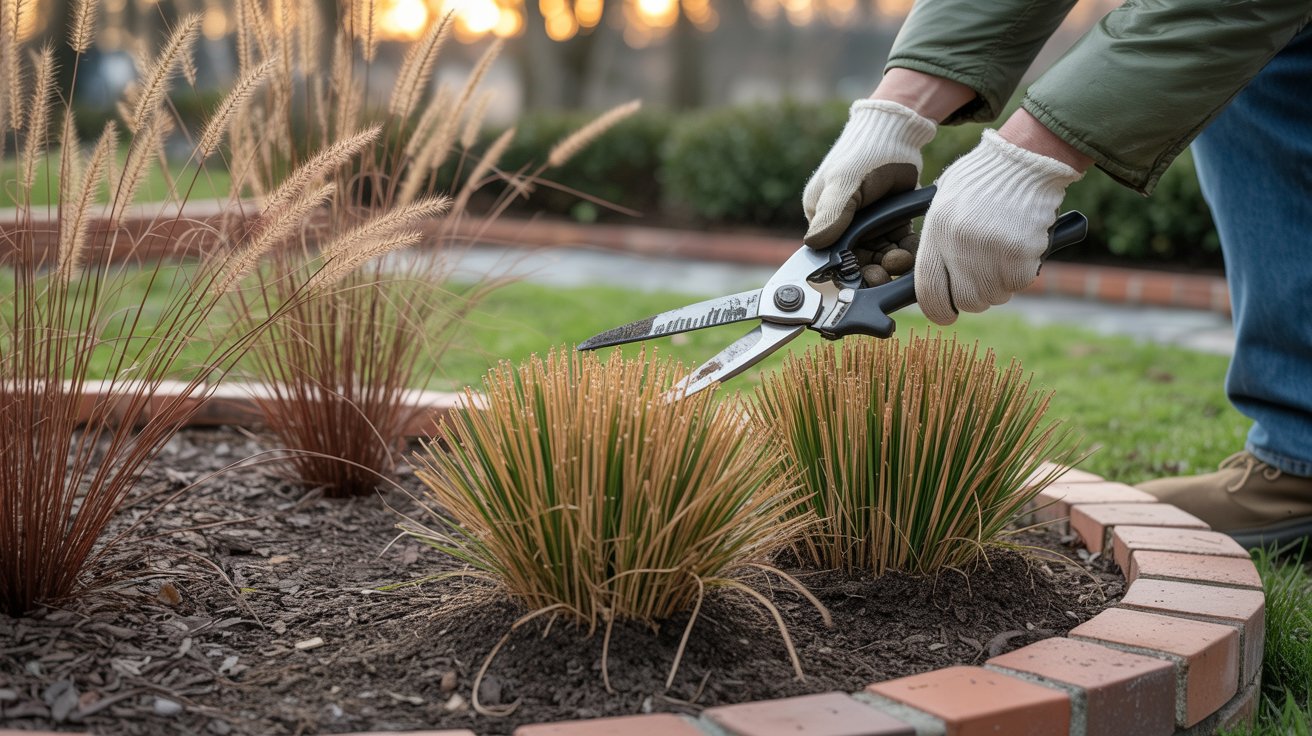
When and How to Cut Back Ornamental Grasses
A simple spring guide to pruning without guesswork
Ornamental grasses are the quiet heroes of the garden. They sway in summer, glow in fall, and provide beautiful structure through winter. But come spring, they need one important thing from us:
A proper cutback — at the right time.
Cut too early and you lose winter interest. Cut too late and you risk damaging tender new growth. Skip it altogether and you’ll end up with a messy, tangled mound that never quite looks right again.
Here’s exactly when and how to cut back ornamental grasses — without stress.
First: Know What Type of Grass You Have
Not all ornamental grasses are pruned the same way. The key difference:
Cool-Season Grasses
Grow in spring and fall.
Examples:
- Feather Reed Grass (Calamagrostis)
- Blue Fescue
- Tufted Hair Grass
Warm-Season Grasses
Grow once soil warms in late spring.
Examples:
- Muhly Grass
- Switchgrass
- Fountain Grass
- Maiden Grass (Miscanthus)
- Little Bluestem
Most Southern gardens (including Georgia and the Southeast) are heavy on warm-season grasses.
When to Cut Back Ornamental Grasses
For Warm-Season Grasses
Best time: Late winter to very early spring
(February–early March in the South; March–April in colder climates)
Cut them back before new green shoots emerge.
Once you see fresh green growth coming from the base, stop. Cutting too late can damage those tender shoots.
If you’re in the Southeast, this usually means:
- Late February is ideal
- Early March at the latest
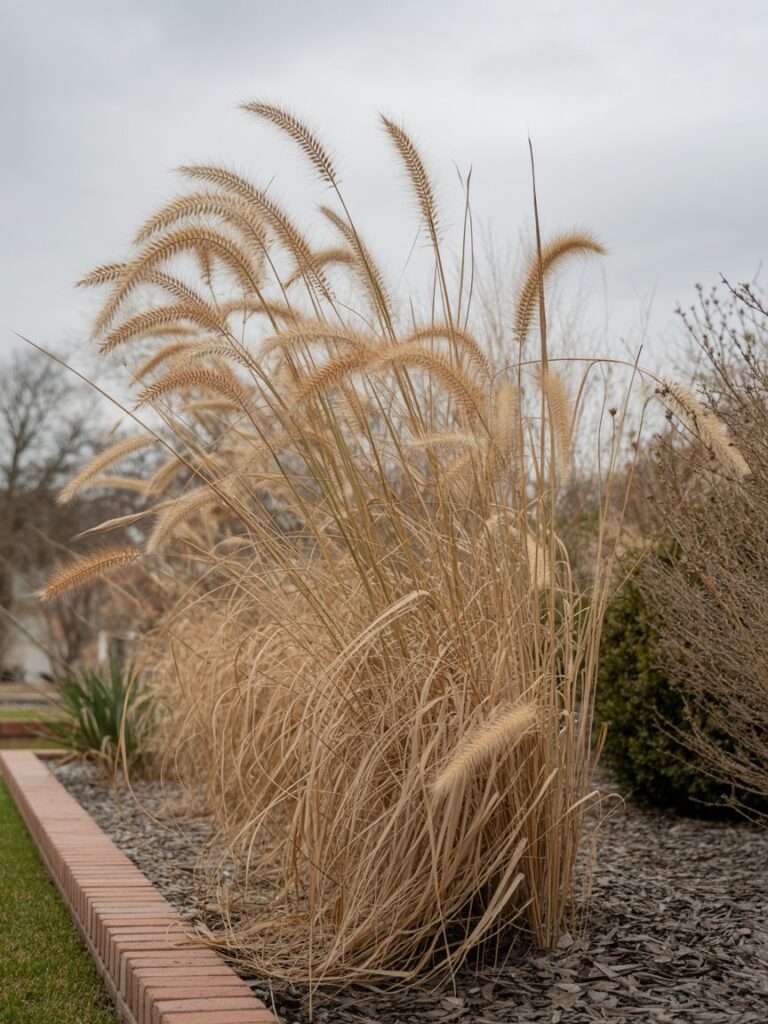
For Cool-Season Grasses
Best time: Very early spring
Just before active growth begins.
These grasses often stay semi-evergreen in milder climates. Instead of a hard cut, they usually need:
- A light trim
- Removal of dead blades
- Gentle shaping
How to Cut Back Ornamental Grasses
This part is simple — but technique matters.
Step 1: Bundle the Grass
Before cutting, tie the grass into a tight bundle using:
- Twine
- Bungee cord
- Garden tape
This keeps debris contained and makes cleanup easier.
In-Article Image: Tying Grass Before Cutting
Ideogram Prompt:
Gardener bundling tall dried maiden grass with garden twine before pruning, grass still full height and dormant, gloves visible, early spring backyard garden setting, warm natural morning light, realistic texture, charming Southern garden aesthetic, high detail photography
Step 2: Cut to the Right Height
For most warm-season grasses:
- Cut back to 6–12 inches above the ground
- Large grasses (like Miscanthus) can be cut to 8–12 inches
- Smaller grasses can be cut to 4–6 inches
Do not cut flush to the soil. Leaving a few inches protects the crown.
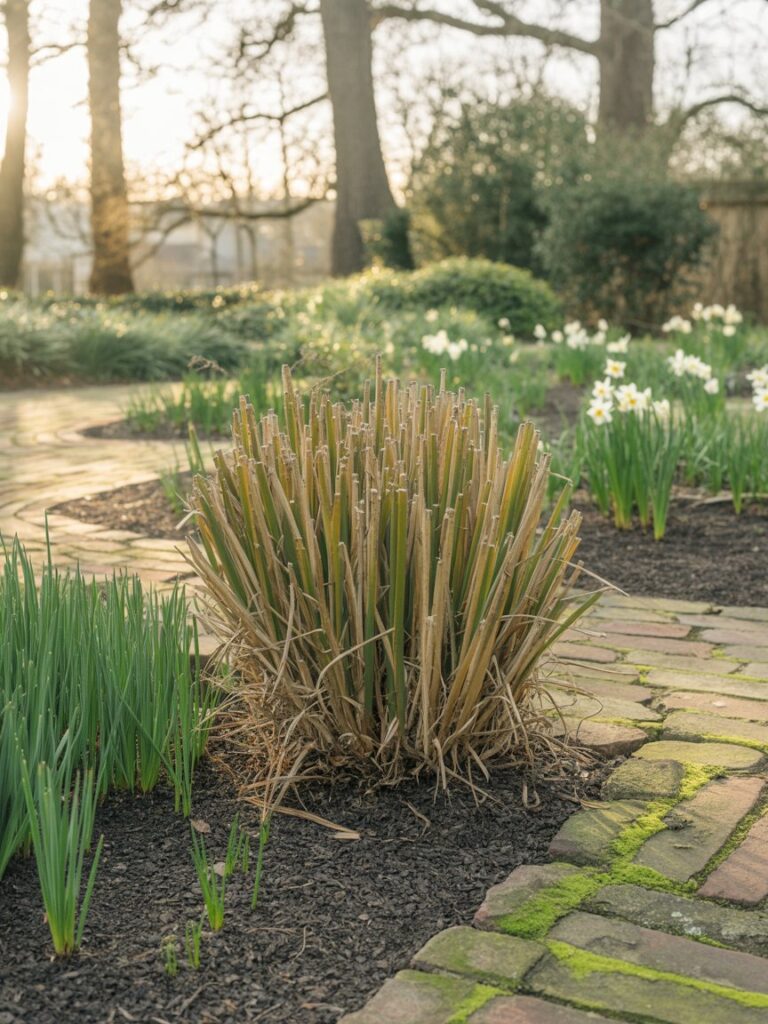
Step 3: Clean the Base
After cutting:
- Remove loose debris
- Check for rot
- Gently pull away any remaining dead material
If the center is hollow and dead, your grass may be ready to divide.
What About Evergreen or Semi-Evergreen Grasses?
Some grasses — especially in Southern gardens — don’t fully die back.
Examples:
- Blue Fescue
- Lomandra (in mild climates)
These should not be cut to the ground.
Instead:
- Comb through with gloved hands
- Remove brown blades
- Lightly trim tips if needed
Think grooming — not shearing.
Should You Cut Back in Fall?
Short answer: No.
Leaving ornamental grasses standing through fall and winter:
- Protects the crown from cold
- Adds winter texture
- Provides habitat for beneficial insects
- Looks beautiful with frost or snow
Spring is the time to cut.
Tools That Make It Easier
Cutting ornamental grasses can be surprisingly tough — especially mature clumps.
Helpful tools:
- Sharp pruning shears (for smaller grasses)
- Loppers (for thick stems)
- Electric hedge trimmer (for large plantings)
- Gloves (the blades can be sharp)
For very large clumps, an electric hedge trimmer makes the job dramatically easier.
When to Divide Ornamental Grasses
If your grass:
- Has a dead center
- Is flopping
- Has outgrown its space
- Blooms less than it used to
Spring is the perfect time to divide warm-season grasses.
Dig up the clump, split it with a spade or saw, and replant divisions immediately.
A Note for Southern Gardeners
In warmer climates, grasses often start pushing growth earlier than expected.
Before cutting:
Look closely at the base.
If you see bright green shoots emerging:
- Cut carefully around them
- Avoid slicing through fresh growth
- Or skip cutting entirely if growth is well underway
Timing is everything.
Common Mistakes to Avoid
- Cutting too late and damaging new shoots
- Cutting flush to the ground
- Shearing evergreen grasses
- Leaving cut debris sitting on the crown
- Forgetting gloves (those edges are sharp!)
Final Thoughts
Cutting back ornamental grasses is one of those small spring tasks that makes a big difference.
Do it at the right time, cut to the proper height, and your grasses will reward you with stronger growth, fuller shape, and better blooms all season long.
And perhaps the best part?
That fresh, tidy cut signals something hopeful:
Spring has officially begun.