
Hydration Trays: A Simple Winter Ritual for Happier Houseplants
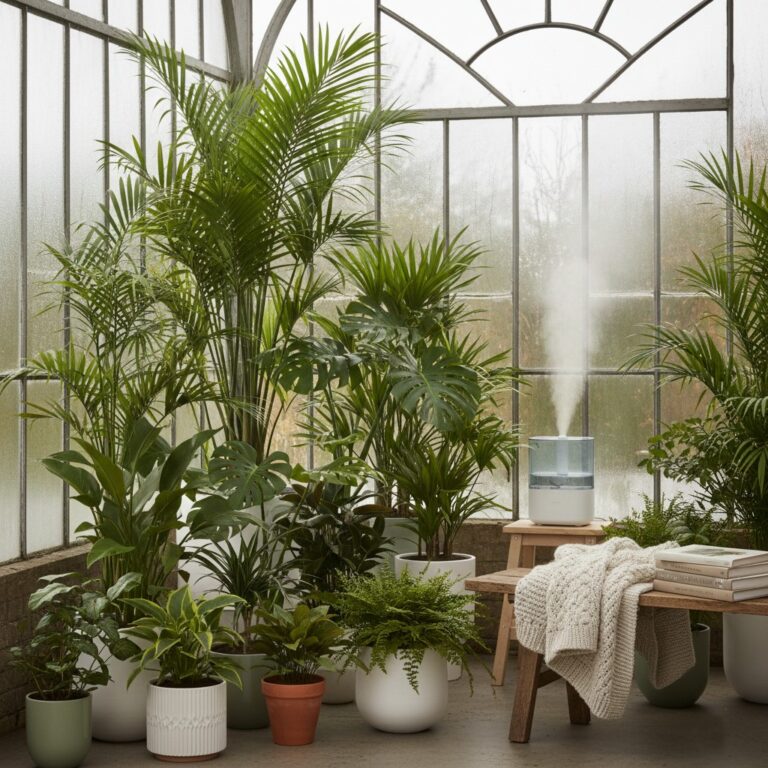
When winter settles in, our homes become cozy for us—but often far less comfortable for our plants. Indoor heating dries the air, daylight fades, and suddenly even the most dependable houseplants can look a little weary. One of the simplest, most beautiful ways to support indoor plants through the colder months is by introducing hydration trays into your winter plant care routine.
Think of hydration trays as both a functional tool and a styling opportunity—a quiet, elegant solution that blends seamlessly into a well-loved home.
What Is a Hydration Tray?
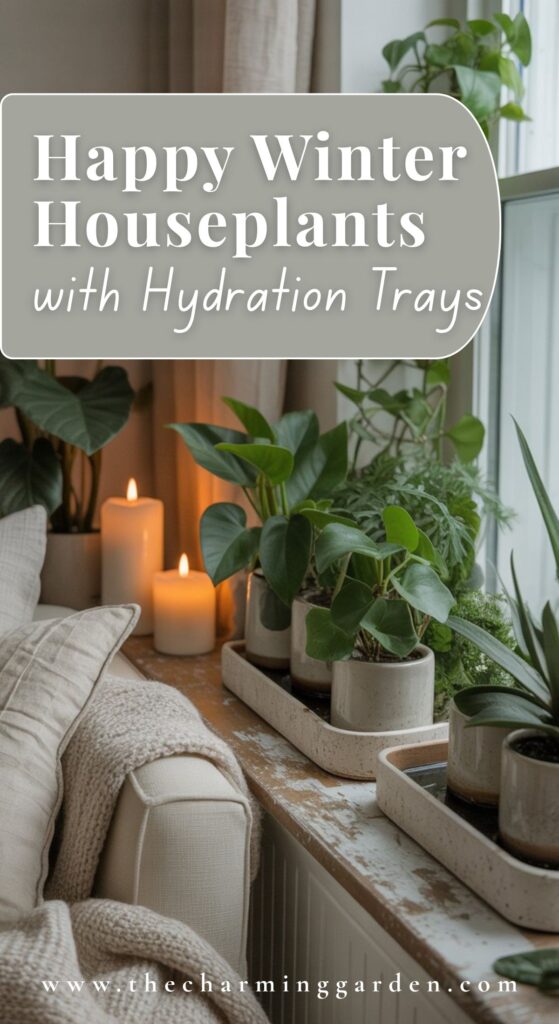
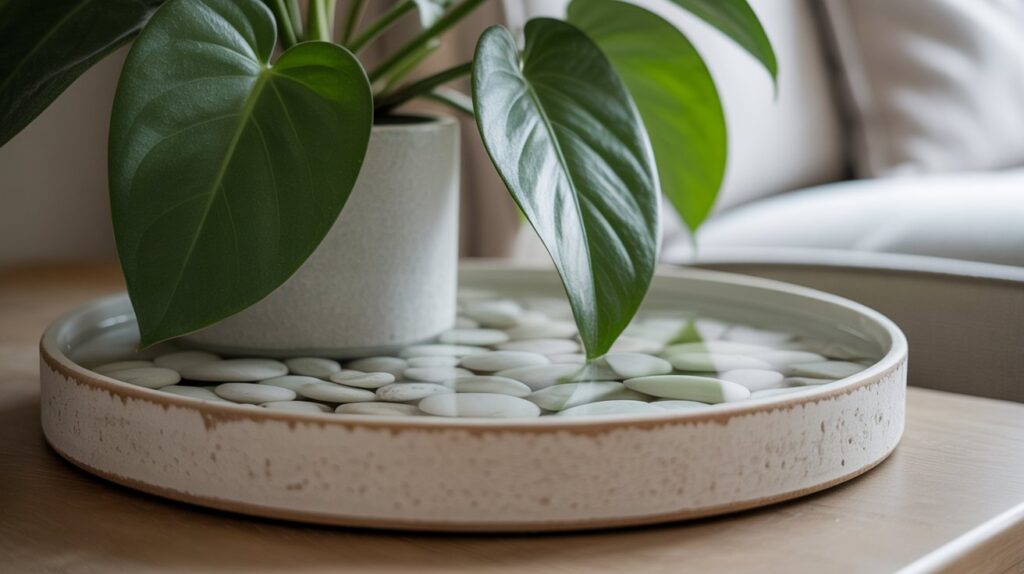
A hydration tray (sometimes called a humidity tray or pebble tray) is a shallow tray placed beneath or near houseplants and filled with water—often layered with pebbles, stones, or decorative fillers. As the water slowly evaporates, it adds gentle moisture to the surrounding air, helping plants cope with winter’s dry conditions.
Unlike misting, which is temporary and inconsistent, hydration trays provide steady, passive humidity—exactly what many indoor plants crave during winter.
Why Hydration Trays Matter in Winter
1. They Improve Humidity Where Plants Need It Most
Winter heating systems drastically lower indoor humidity. Hydration trays create a localized pocket of moisture around plants, especially helpful for tropical varieties like ferns, calatheas, orchids, and monsteras.
2. They Help Prevent Common Winter Plant Problems
Consistent humidity can help reduce:
- Crispy leaf edges
- Browning tips
- Leaf drop
- Stalled growth
- Stress-related pests
3. They Support Health Without Overwatering
Hydration trays increase air moisture without adding water directly to the soil, reducing the risk of root rot—an all-too-common winter mistake.
4. They Add Beauty to Your Interior Styling
A thoughtfully chosen hydration tray can feel intentional and decorative, turning a plant corner into a small still life rather than a utilitarian setup.
Hydration Tray Options
These options allow you to tailor hydration trays to your plant collection and your home’s style.
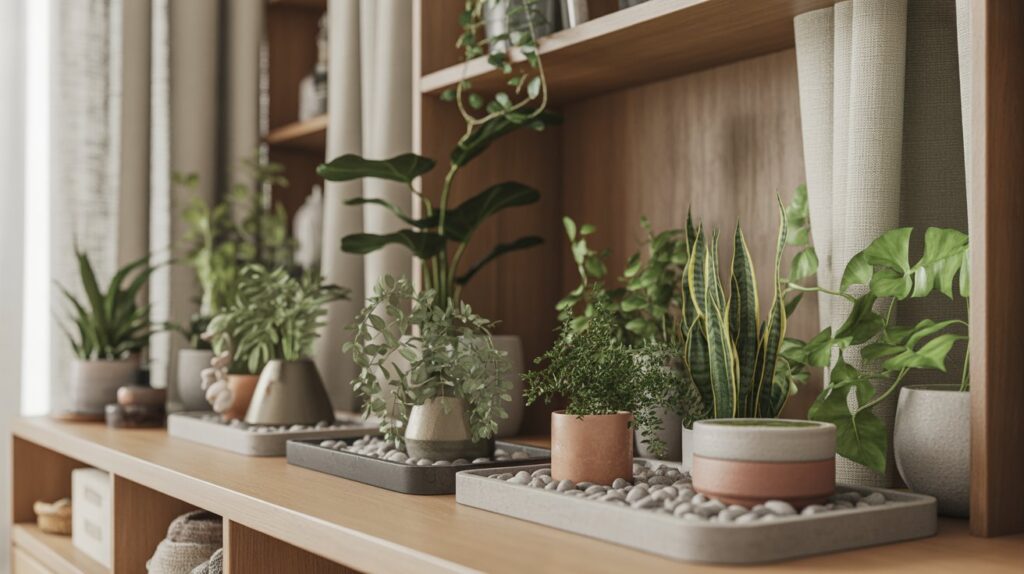
Classic Pebble Trays
A shallow tray filled with small stones or pebbles, topped with a plant pot elevated above the waterline.
- Best for: Small to medium houseplants
- Style tip: Choose natural river stones or soft neutral tones for a timeless look
Ceramic or Stone Saucers
Elegant saucers with depth, used as hydration trays rather than drainage-only pieces.
- Best for: Styled shelves, side tables, and visible plant displays
- Style tip: Matte white, soft gray, or earthy clay tones suit winter interiors beautifully
Decorative Trays with Layered Fillers
Think marble trays, vintage silver, or rustic wood (lined with a waterproof insert), layered with stones, glass beads, or moss.
- Best for: Editorial-style plant groupings
- Style tip: Keep colors muted and textures tactile
Self-Watering Humidity Trays
Designed to hold water below a raised platform that supports the plant pot.
- Best for: Plant parents who prefer low-maintenance solutions
- Style tip: Look for minimalist designs that blend into décor
Group Hydration Trays
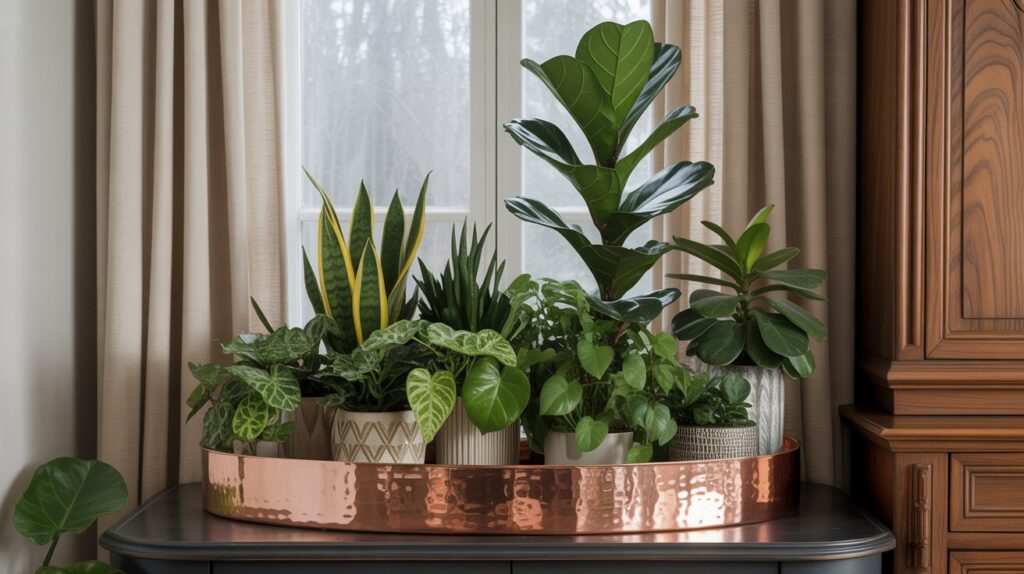
Larger trays designed to hold multiple plants together, increasing shared humidity.
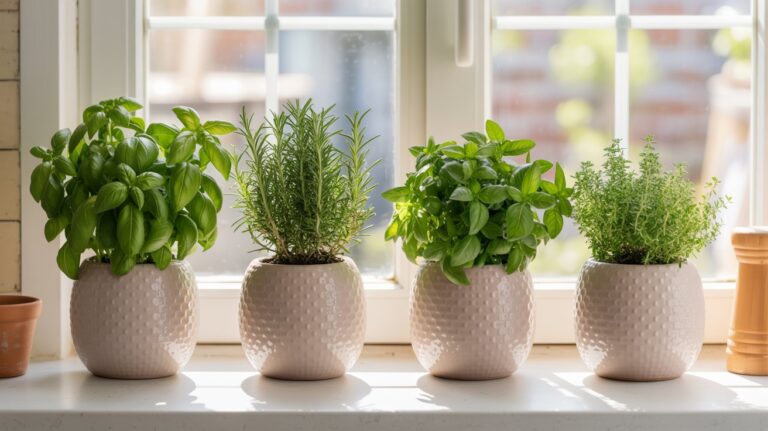
- Best for: Plant clusters, windowsills, and plant benches
- Style tip: Vary pot heights for visual interest
How to Use a Hydration Tray (The Right Way)
- Choose a tray slightly wider than your plant pot
- Add pebbles or fillers to elevate the pot above the water
- Fill the tray with water just below the top of the stones
- Place the plant pot on top—never sitting directly in water
- Refill as needed throughout winter
✨ Tip: Use room-temperature water and refresh it every 1–2 weeks to keep trays clean.
Plants That Especially Love Hydration Trays
- Ferns
- Calatheas & marantas
- Orchids
- Monsteras
- Peace lilies
- Palms
- Pilea & ficus varieties
Final Thoughts
Hydration trays are one of those quiet winter rituals—simple, effective, and surprisingly beautiful. With just a shallow tray, a handful of stones, and a little water, you can ease your plants through the coldest months while enhancing the warmth and charm of your interior spaces.