Indoor Plants That Clean the Air
Freshen your home naturally—with beautiful, low-effort greenery.
Indoor plants do more than decorate; they shape how a home feels. If you’ve ever walked into a room and instantly relaxed because of a lush fiddle leaf or trailing pothos, that’s not just aesthetics—it’s the micro-wellness magic of greenery.
But let’s clear one thing up: plants do help clean the air, but probably not in the dramatic, whole-house way many Pinterest infographics promise. What they can offer is small, localized purification, humidity balancing, and a subtle calm that’s very real. Think of them as supportive wellness companions, not air purifiers with leaves.
Below is a curated, scientifically informed list of plants that meaningfully contribute to cleaner indoor air—paired with styling ideas, care notes, and a few myth-busting truths.
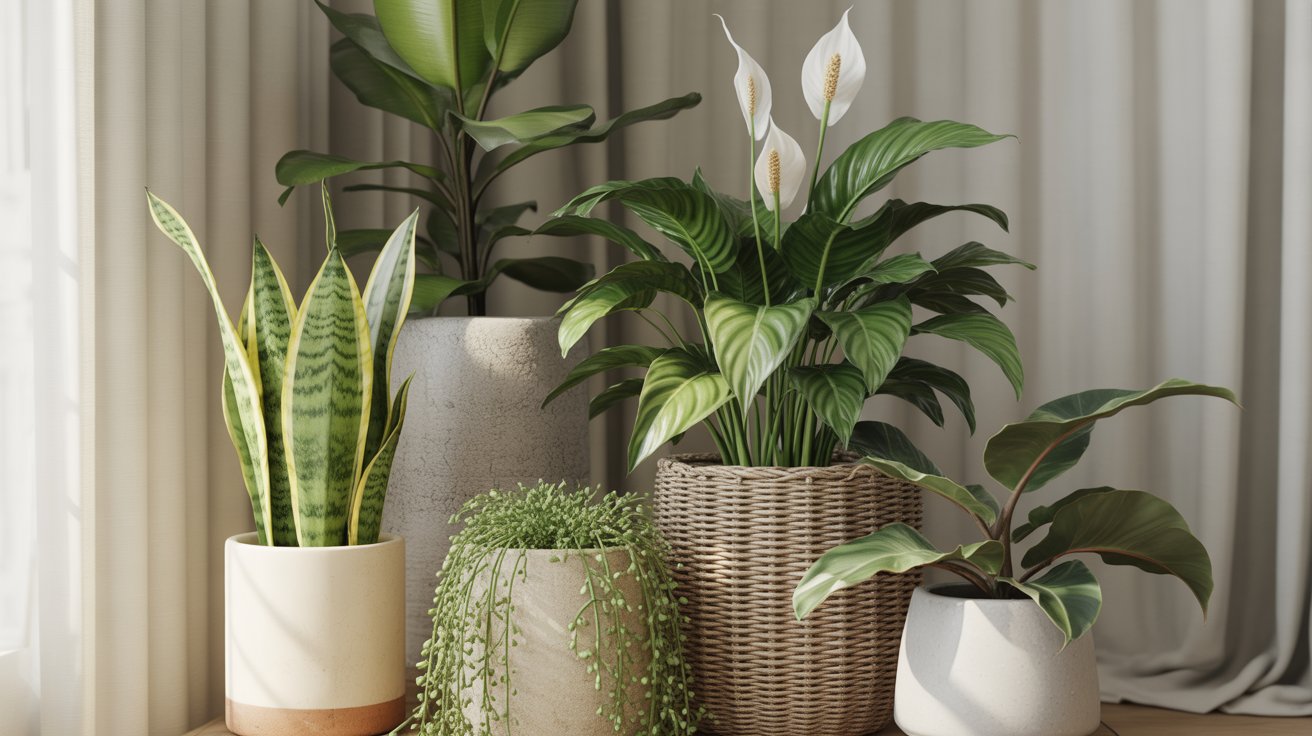
1. Peace Lily (Spathiphyllum)
What it helps with: VOCs like benzene + formaldehyde
Why it’s great: Elegant, sculptural, forgiving
Styling Vignette
Create a serene spa-like moment on a console table: peace lily in a matte ceramic pedestal pot, a linen runner, one scented candle (unscented if you’re going plant-sensitive), and a stack of soft neutral books.
Care Notes
- Medium to low light
- Keep soil lightly moist
- Leaves droop when thirsty—they’re honest communicators
Myth-Busting
Peace lilies don’t zap toxins instantly. They do absorb measurable pollutants in small areas, especially when placed near common VOC sources (painted walls, furniture, printers).
2. Snake Plant (Sansevieria / Dracaena trifasciata)
What it helps with: A broad range of VOCs
Why it’s great: Indestructible, architectural, thrives on neglect
Styling Vignette
Place a tall snake plant in a woven basket next to a reading chair. Layer with a chunky knit throw and a small side table for a cozy-but-modern corner.
Care Notes
- Thrives in low to bright light
- Water sparingly—every 2–3 weeks
- Perfect for bedrooms thanks to nighttime oxygen release
Myth-Busting
Snake plants aren’t miracle purifiers, but NASA studies did show meaningful pollutant reduction in sealed environments. In real homes, they support fresher air in the immediate zone around them.
3. Pothos (Epipremnum aureum)
What it helps with: Formaldehyde + benzene
Why it’s great: Fast-growing, easy cascading shape, great for shelves
Styling Vignette
Let golden pothos trail from a high floating shelf, paired with framed art, a small lamp, and a few stone or wood accessories for a warm, collected look.
Care Notes
- Bright indirect light (but tolerates low light)
- Water when top 1–2 inches are dry
- Pinch stems to encourage fullness
Myth-Busting
Even one pothos can make a noticeable difference to humidity and local air freshness—but it won’t “purify a whole apartment.” Still, it’s one of the easiest eco-helpers for beginners.
4. Rubber Plant (Ficus elastica)
What it helps with: Formaldehyde
Why it’s great: Big, glossy leaves = more surface area = more air-helping
Styling Vignette
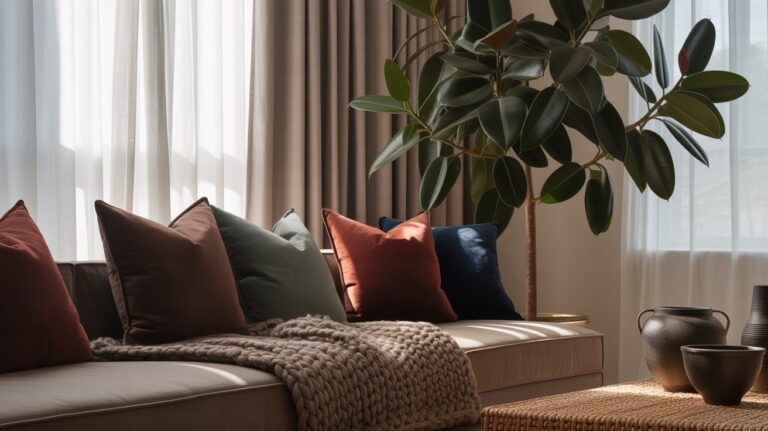
Set a medium rubber tree in a pretty ceramic pot next to a sideboard with a round mirror. Add one sculptural object (a stone knot, wood candlestick, etc.) for a modern organic feel.
Care Notes
- Medium to bright light
- Water when soil is halfway dry
- Wipe leaves monthly to boost photosynthesis
Myth-Busting
Rubber plants clean the air slowly—but consistently. Their big leaves work like slow, steady filters.
5. Boston Fern (Nephrolepis exaltata)
What it helps with: Humidity + airborne particles
Why it’s great: Fluffy, dramatic texture
Styling Vignette
Hang a Boston fern in a kitchen corner or sunlit bathroom. Pair with natural wood stools, linen towels, and any soft-textured decor for a cozy greenhouse feel.
Care Notes
- Loves bright, indirect light
- Keep soil moist and humidity high
- Mist often (this one loves pampering)
Myth-Busting
Ferns are excellent at increasing humidity, which reduces dust and allergen movement—one of the most underrated “air cleaning” benefits.
6. Areca Palm (Dypsis lutescens)
What it helps with: Humidifying + filtering some VOCs
Why it’s great: Breezy, tropical, instantly brightens a room
Styling Vignette
Let an areca palm sit beside a window with gauzy white curtains. Add a jute rug and a natural rattan chair for a calming, sun-washed moment.
Care Notes
- Bright, indirect light
- Keep soil lightly moist
- Trim browning tips for a tidy look
Myth-Busting
Palms aren’t powerhouse purifiers, but they are excellent humidifiers—and that alone helps air feel fresher, softer, and easier to breathe.
7. Philodendron (Heartleaf varieties)
What it helps with: VOCs, especially formaldehyde
Why it’s great: Soft, romantic leaves + unfussy
Styling Vignette
Style a heartleaf philodendron on a bedside table with a small ceramic dish, vintage book stack, and a tiny lamp for a dreamy cottage-wellness vibe.
Care Notes
- Medium light preferred
- Keep soil evenly moist
- Avoid cold drafts
Myth-Busting
Philodendrons don’t “detox the air overnight”—but they’re excellent passive cleaners when grouped (think: a plant trio on a dresser).
How to Maximize Air-Cleaning Benefits
These little shifts make a big difference:
✔ Group plants in clusters of 3–5
✔ Wipe leaves often
✔ Use breathable pots + well-draining soil
✔ Place plants near pollutant sources (entryways, offices, kitchens)
✔ Add a humidifying plant like a fern to support the others
Final Thoughts
Bringing nature indoors is one of the simplest ways to support your well-being. While plants aren’t industrial air purifiers, they quietly make our homes feel fresher, calmer, softer—and more like places we want to linger.
Choose a few favorites, style them beautifully, and let them work their leafy magic in the background.