Woodland Fairy Gardens: Creating a Little Magic Beneath the Trees
There’s something irresistibly charming about a garden that feels discovered rather than designed. Woodland fairy gardens invite us to slow down and notice the quiet magic happening beneath the trees—moss softening stone, ferns unfurling, petals drifting like secrets.
Rooted in imagination but grounded in nature, woodland fairy gardens are less about novelty and more about storytelling. They feel timeless, a little mysterious, and perfectly charming.
What Is a Woodland Fairy Garden?
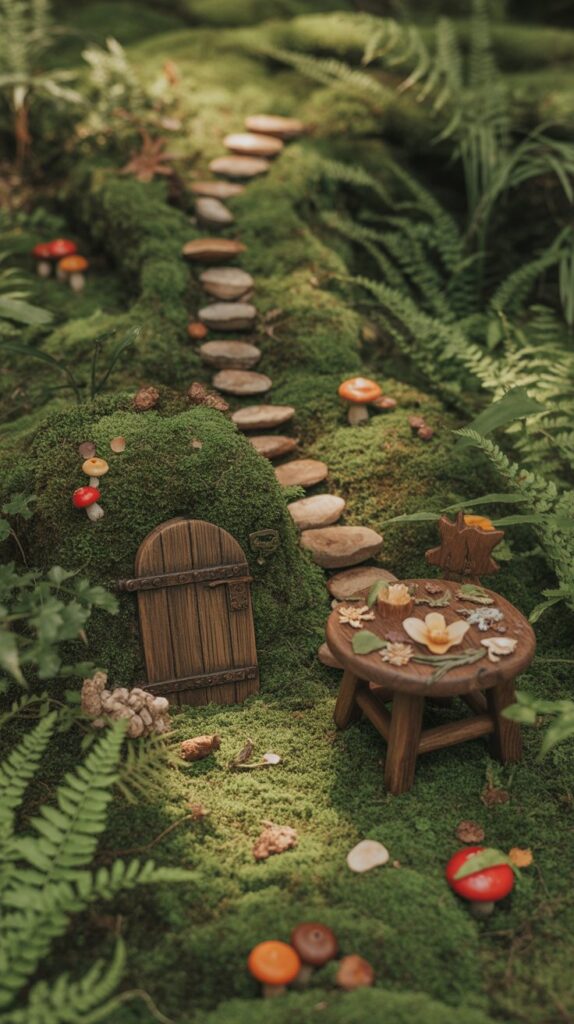
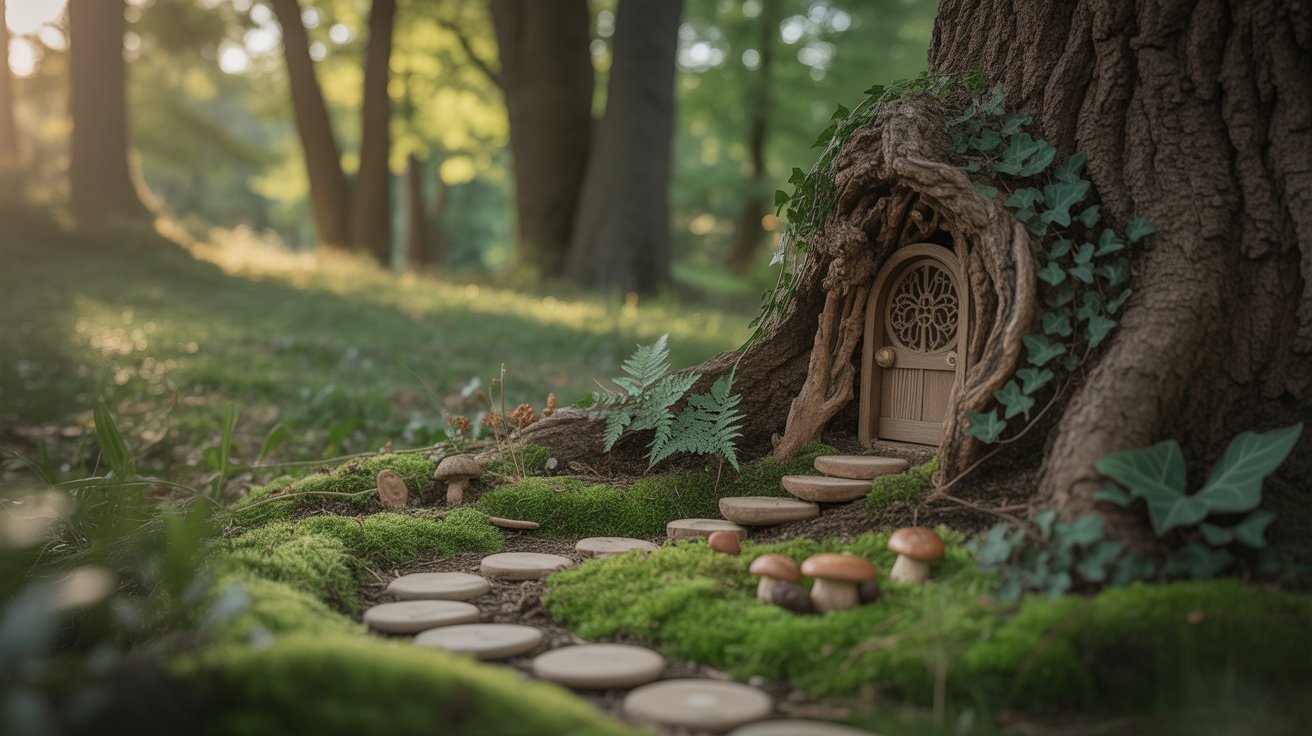
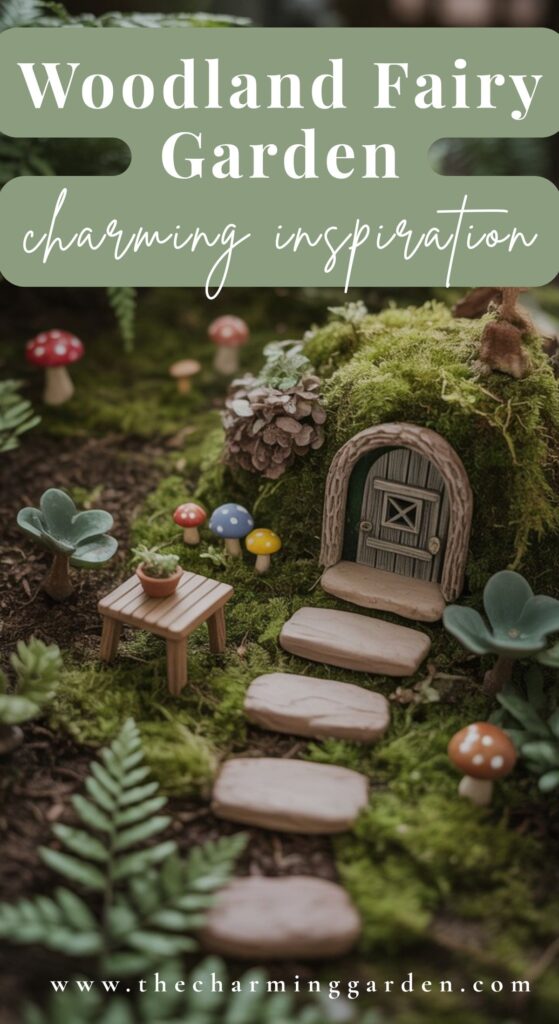
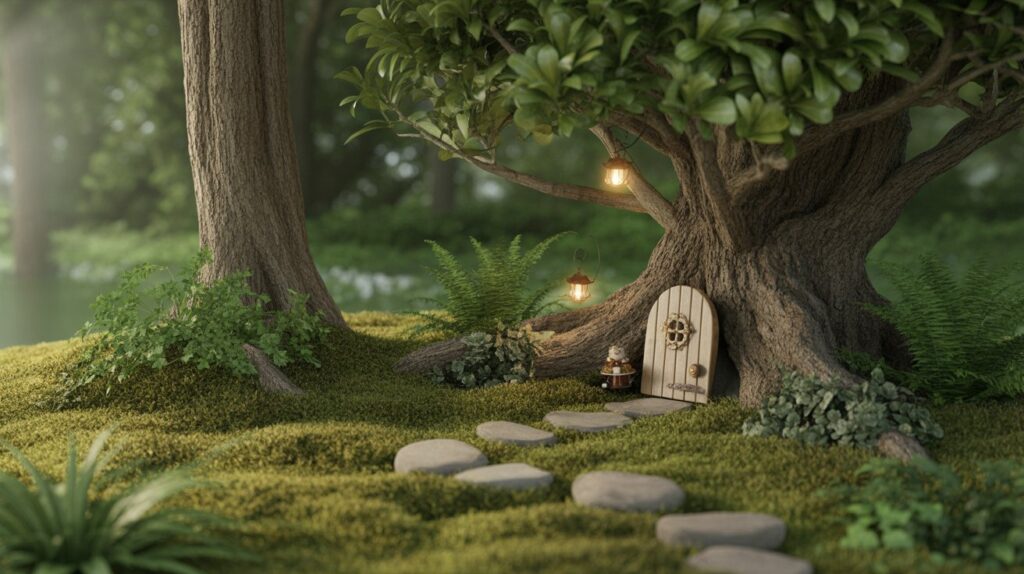
A woodland fairy garden is a miniature landscape inspired by forest floors, shaded clearings, and storybook glades. Unlike brightly colored or novelty fairy setups, the woodland style leans natural and organic—using earthy textures, muted tones, and living plants that thrive in dappled light.
Think:
- Mossy paths and stone steps
- Tiny doors tucked into tree roots
- Ferns, violets, and creeping groundcovers
- Handmade details that feel collected, not purchased
The goal isn’t to build a fairy garden—it’s to gently reveal one.
Choosing the Perfect Spot
Woodland fairy gardens feel most magical when they blend seamlessly into their surroundings.
Ideal locations include:
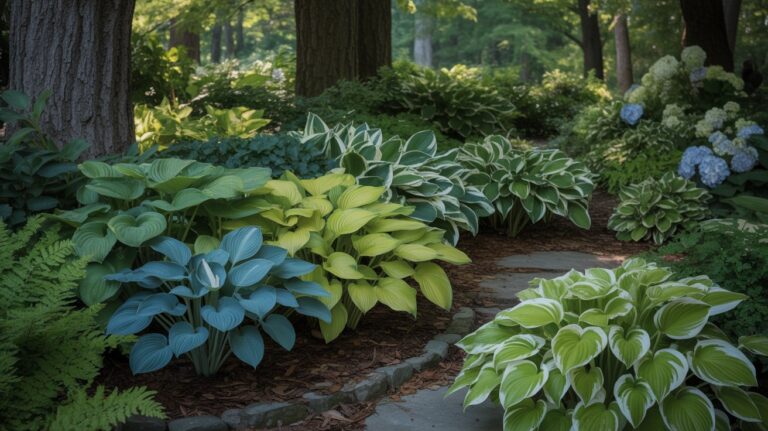
- Beneath mature trees
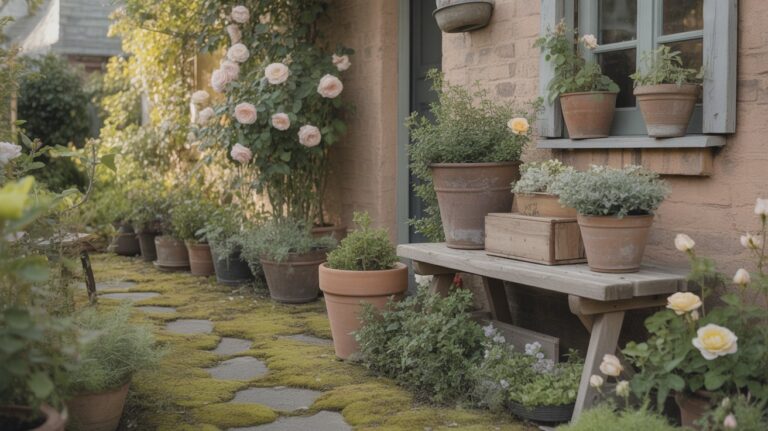
- Along shaded garden paths
- At the base of shrubs or hedges
- In large containers placed in part shade
Look for areas that already feel calm and slightly hidden. Morning light and afternoon shade are ideal, especially for mosses and woodland plants.
Plants That Set the Scene
Living plants are the heart of a woodland fairy garden. Choose varieties that thrive in shade and feel at home in a forest setting.
Lovely plant choices include:
- Moss (sheet, cushion, or fern moss)
- Miniature ferns
- Creeping Jenny
- Baby’s tears
- Ajuga
- Sweet woodruff
- Mini hostas
Let plants spill, soften edges, and grow a little wild. Perfection isn’t the goal—enchantment is.
Natural Materials Make the Magic
The most charming fairy gardens rely on texture rather than ornament.
Use materials like:
- Twigs, bark, and acorn caps
- Smooth river stones or slate
- Weathered wood slices
- Pebble “stepping stones”
- Tiny terracotta pots
If you include fairy houses or doors, choose ones that look handmade, aged, or inspired by nature—nothing too glossy or cartoonish.
Adding Fairy Details (With a Light Hand)
A few thoughtful details bring the story to life.
Consider:
- A miniature wooden door nestled into roots
- A moss-covered bench or stump table
- Pebble pathways leading nowhere in particular
- Tiny lanterns or bells that catch the light
Less is more. One or two focal elements will feel far more magical than a crowded scene.
A Gentle Project for All Ages
Woodland fairy gardens are a beautiful way to garden with children—encouraging imagination, observation, and care for living things. They’re also a quiet joy for adults, offering a creative escape that feels calming and personal.
Once created, fairy gardens evolve. Moss spreads, plants grow, leaves fall. That natural change is part of the charm.
Seasonal Touches
Let the seasons guide small updates:
- Spring: tiny flowers and fresh moss
- Summer: lush greenery and shaded paths
- Autumn: acorns, seed pods, and fallen leaves
- Winter: evergreen sprigs and bare branches
There’s no need to redo—just gently adjust.
Final Thoughts
A woodland fairy garden doesn’t shout for attention. It waits patiently, rewarding those who pause long enough to notice it. In a world that often feels rushed, these miniature landscapes remind us that wonder lives close to the ground—quiet, imaginative, and rooted in nature.
Whether tucked beneath a tree or nestled in a simple pot, a woodland fairy garden is an invitation to believe in small magic again.