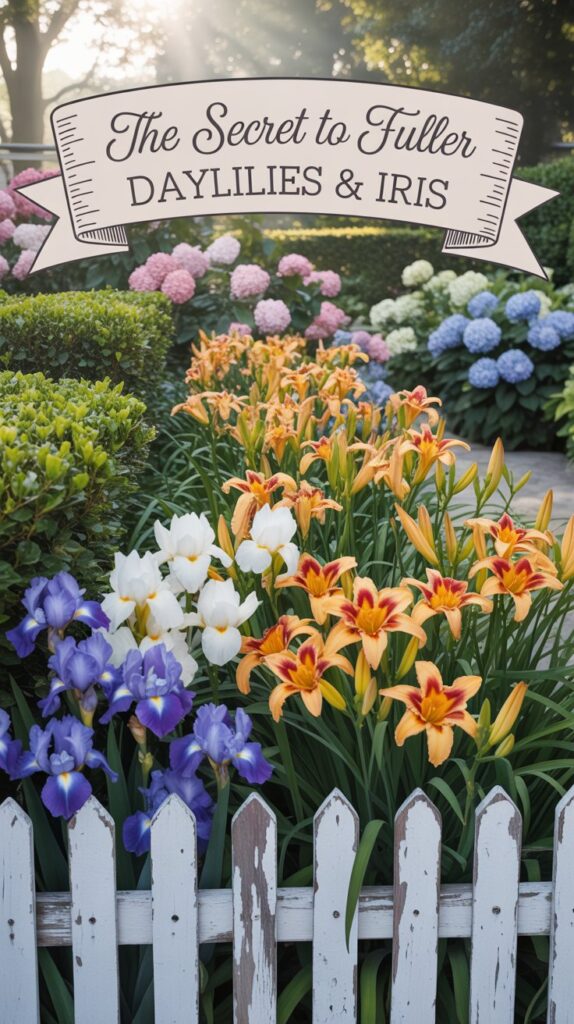
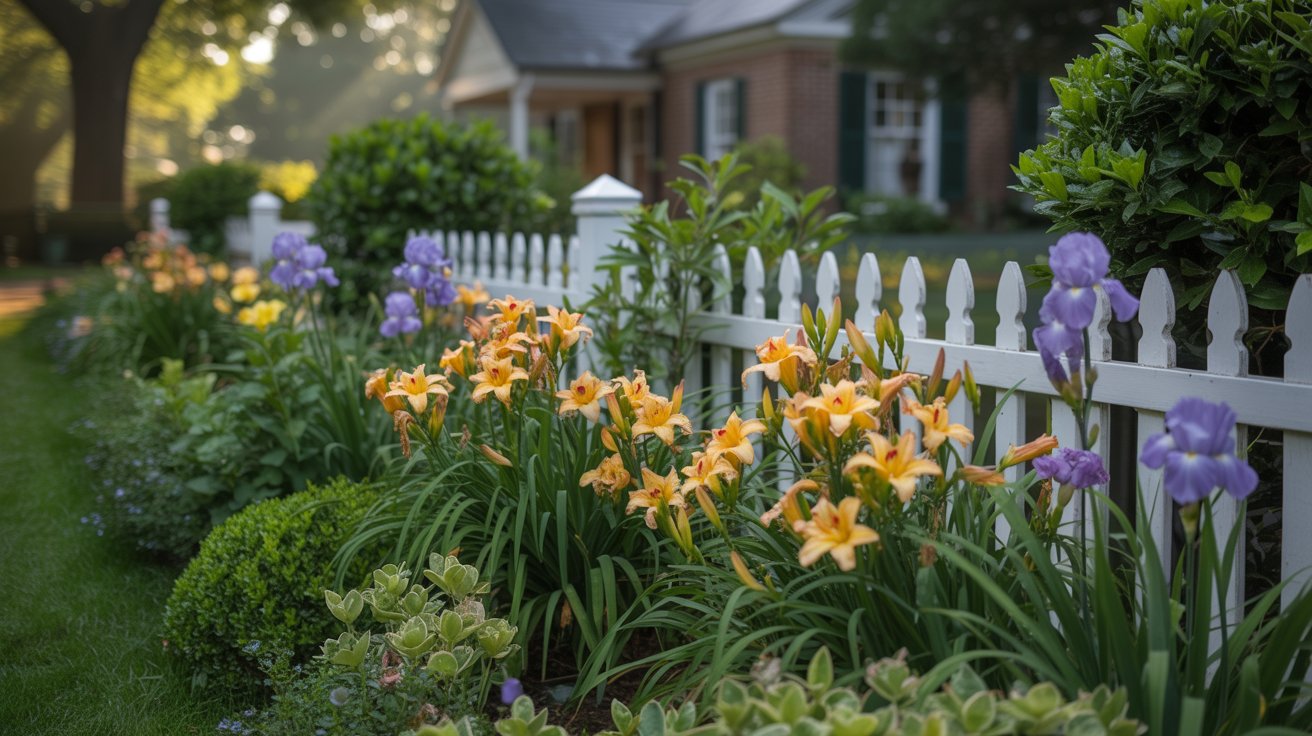
When to Divide Daylilies and Iris in the South
If your once-lush clumps of daylilies or iris aren’t blooming like they used to, it’s probably not your soil, fertilizer, or sunshine.
It’s timing.
In the South, knowing when to divide these perennials makes the difference between a thriving garden and a season of disappointment. Our long growing season changes the rules slightly—and if you follow northern advice word-for-word, you could accidentally sacrifice next year’s blooms.
Let’s break it down clearly.
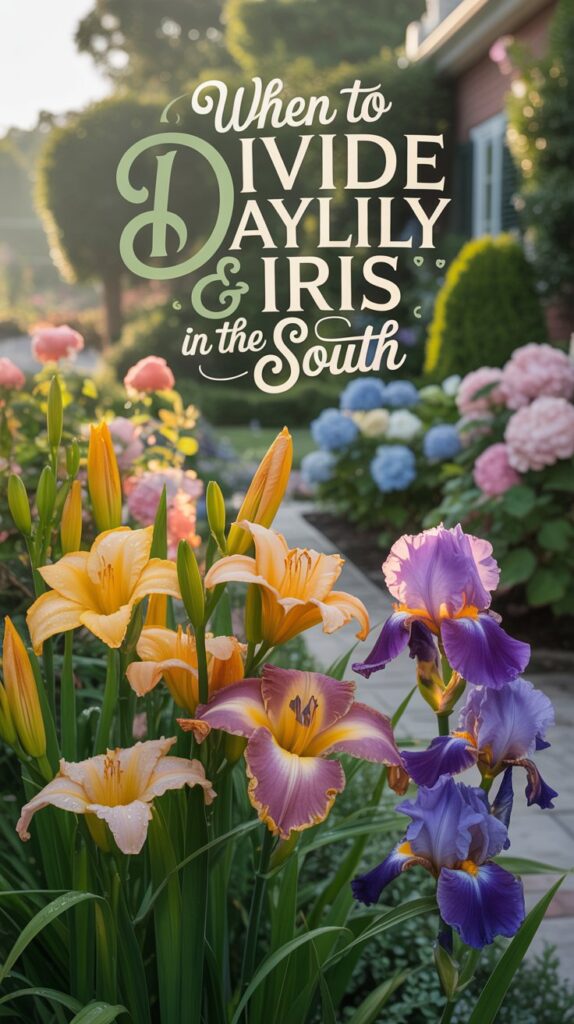
When to Divide Daylilies in the South
Daylily are one of the easiest perennials to divide—and they actually like it.
Best Time in the South:
Late summer to early fall (August–October)
In states like Georgia, Alabama, Mississippi, the Carolinas, and Texas, dividing in early fall gives roots time to re-establish before winter while avoiding peak summer heat stress.
Why Not Spring?
Spring division often means:
- Fewer blooms that year
- Smaller flower size
- Heat stress before roots settle
Because Southern summers arrive quickly, spring-divided plants don’t have much recovery time.
Signs Your Daylilies Need Dividing
- Blooming has slowed or stopped
- Center of the clump looks thin or woody
- Leaves appear crowded or floppy
- Clump is more than 3–5 years old
How to Divide Daylilies (Step-by-Step)
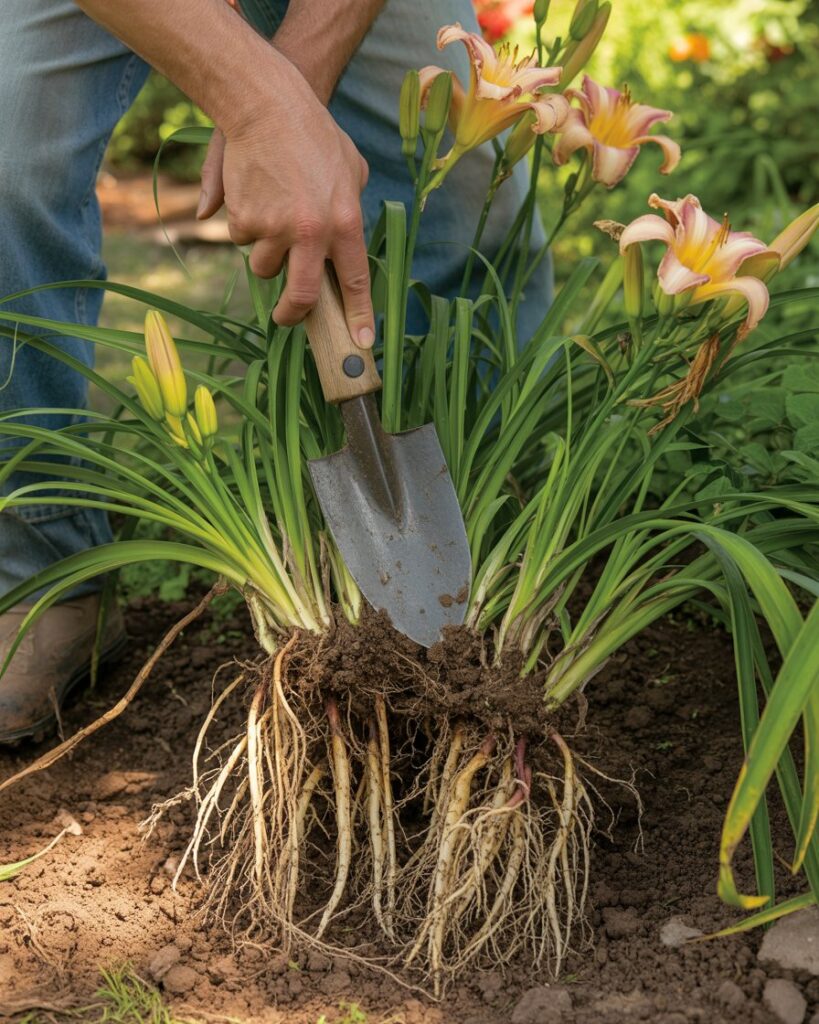
- Water the plant thoroughly the day before.
- Dig the entire clump up with a sharp spade.
- Shake off loose soil.
- Pull apart fans (or cut with a clean knife).
- Trim foliage to 6–8 inches.
- Replant immediately at the same depth.
- Water deeply.
Mulch lightly—but don’t bury the crown.
When to Divide Iris in the South
Iris (especially bearded iris) follow a slightly different schedule.
Best Time in the South:
Late summer (July–September)
About 4–6 weeks after blooming finishes.
This is critical.
Bearded iris set next year’s bloom cycles in fall. Dividing too late—or in spring—means sacrificing flowers.
Signs Your Iris Need Dividing
- Rhizomes growing on top of each other
- Blooming decreases dramatically
- Center of the clump dies out
- It’s been 3–4 years since last division
How to Divide Bearded Iris Properly
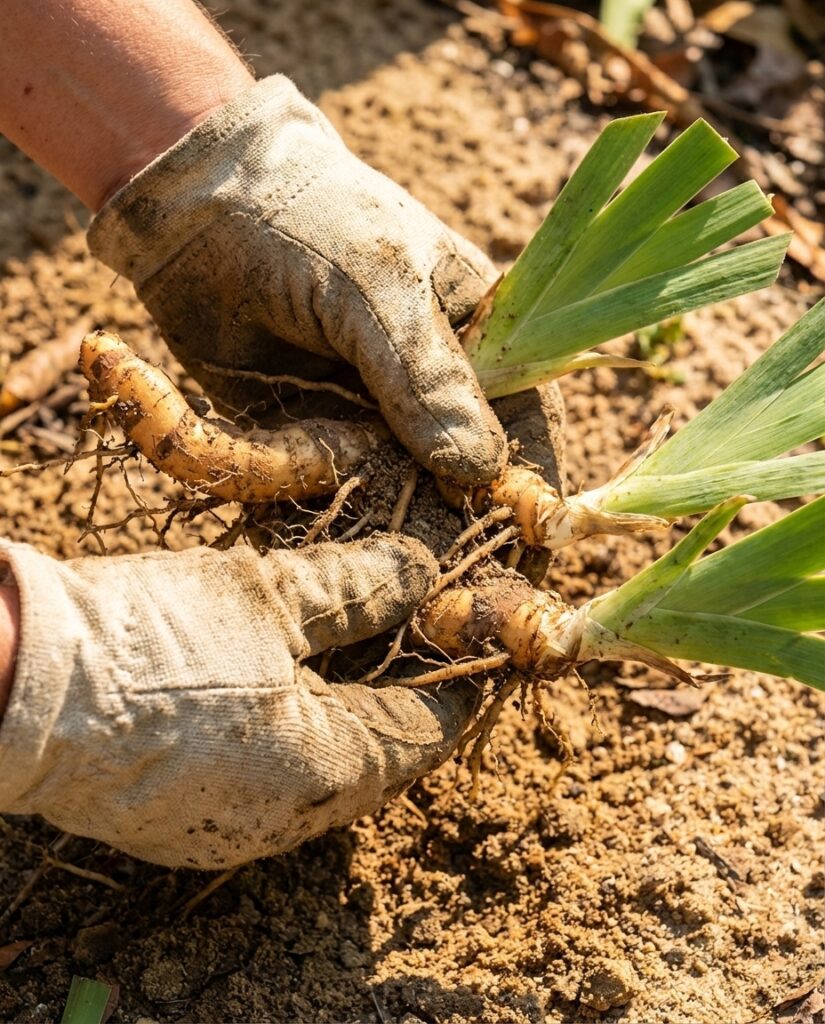
- Lift clump carefully with a garden fork.
- Shake off soil to expose rhizomes.
- Cut rhizomes into sections, each with a fan of leaves.
- Trim leaves into a fan shape (about 6 inches tall).
- Replant shallowly—rhizome tops should sit slightly exposed.
- Water lightly.
Important: Iris hate being buried too deeply. In humid Southern climates especially, deep planting leads to rot.
Southern Climate Timing Breakdown
| Plant | Ideal Division Window | Why |
|---|---|---|
| Daylilies | August–October | Roots establish before frost |
| Bearded Iris | July–September | Time to reset bloom cycle |
In USDA Zones 7–9, fall division is almost always safer than spring.
Common Southern Mistakes
- Dividing during peak July heat without shade or watering plan
- Planting iris too deeply in clay soil
- Forgetting to improve drainage
- Waiting too long (overcrowded plants bloom poorly)
Should You Ever Divide in Spring?
Sometimes life happens.
If you must divide in spring:
- Do it early (before active bloom stalks form)
- Keep soil evenly moist
- Expect fewer flowers that year
But if you want peak Southern performance? Stick with late summer to early fall.
Bonus: Aftercare Tips for Southern Gardens
- Water deeply but not daily
- Add compost before replanting
- Use pine straw mulch lightly around (not on top of) crowns
- Avoid heavy nitrogen fertilizer after dividing
Final Thoughts
Daylilies and iris aren’t declining because they’re “old.” They’re declining because they’re crowded.
Division isn’t just maintenance—it’s renewal.
In the South, timing is everything. Divide in late summer, give roots time to settle before winter, and next spring you’ll be rewarded with stronger blooms, healthier foliage, and a garden that looks like it finally exhaled.
And if you’re building out your Southern perennial beds this season, these two classics should always make the list.