
When to Prune and Fertilize Azaleas in Southern Gardens
A Charming Garden Guide to Lush, Bloom-Filled Shrubs
Azaleas are the crown jewels of Southern spring gardens—bursting into color just as winter fades. But if you’ve ever ended up with fewer blooms, leggy growth, or a shrub that looks a little off, the issue usually comes down to timing.
Knowing exactly when to prune and fertilize azaleas in Southern climates makes all the difference between a sparse shrub and a true showstopper.
Let’s walk through it the Charming Garden way—simple, seasonal, and rooted in how these plants actually grow.
Understanding the Azalea Bloom Cycle
Most azaleas in the South (especially evergreen varieties) follow a predictable rhythm:
- Bloom: Early to mid-spring
- Set next year’s buds: Late spring to early summer
- Grow foliage: Summer through early fall
- Rest: Winter dormancy
This cycle is the key to everything. If you prune or fertilize at the wrong time, you can accidentally remove next year’s blooms or push growth when the plant should be resting.
Different Types of Azaleas (And Why It Matters)
Not all azaleas behave the same way—and this is where many gardeners get tripped up.
Traditional Spring-Blooming Azaleas
These are the classic Southern varieties you see in older landscapes.
- Bloom once in spring
- Set next year’s buds shortly after blooming
- Do not rebloom later in the season
Because of this:
- Pruning must happen right after spring bloom
- Late pruning will eliminate next year’s flowers
These varieties tend to have the most dramatic spring display, but they require more precise timing.
Reblooming Azaleas
Newer varieties, such as Encore Azaleas, have changed the game in Southern gardens.
- Bloom in spring, then again in summer and/or fall
- Produce flowers on both old and new growth
- Offer a longer season of color
Because of this flexibility:
- You have a slightly wider pruning window
- Light pruning after each bloom cycle is acceptable
- Avoid heavy pruning after mid-summer to protect fall blooms
Charming Garden Tip: Reblooming azaleas are ideal if you want extended color with less risk of “missing the window.”
How Type Affects Fertilizing
Your azalea type also influences how you feed it.
Traditional varieties:
- One main feeding after spring bloom is usually sufficient
- Optional light feeding in early summer
Reblooming varieties:
- Benefit from a second light feeding after their first bloom cycle
- This supports repeat blooming without over-stimulating growth
In both cases, stop fertilizing by mid-summer to avoid tender late-season growth.

When to Prune Azaleas in the South
The golden rule:
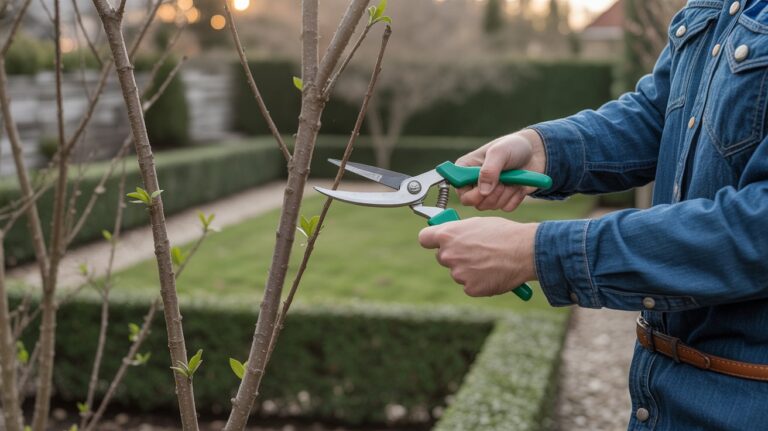
Prune immediately after blooming—no later than early summer.
Why Timing Matters
Azaleas begin forming next year’s flower buds shortly after their spring bloom. Pruning too late means you’ll cut off those buds.
Best Pruning Window by Region
- Deep South: Late March to May
- Upper South: April to early June
How to Prune (The Right Way)
- Lightly shape the plant—avoid heavy cutting unless needed
- Remove:
- Dead or damaged branches
- Crossing limbs
- Spent blooms (optional but helpful)
- Step back often to maintain a natural, airy form
Charming Garden Tip: Azaleas are meant to look soft and natural—not tightly clipped. Think “cloud-like,” not “boxwood hedge.”

When to Fertilize Azaleas
Fertilizing at the right time supports healthy foliage and abundant blooms without stressing the plant.
Best Times to Fertilize
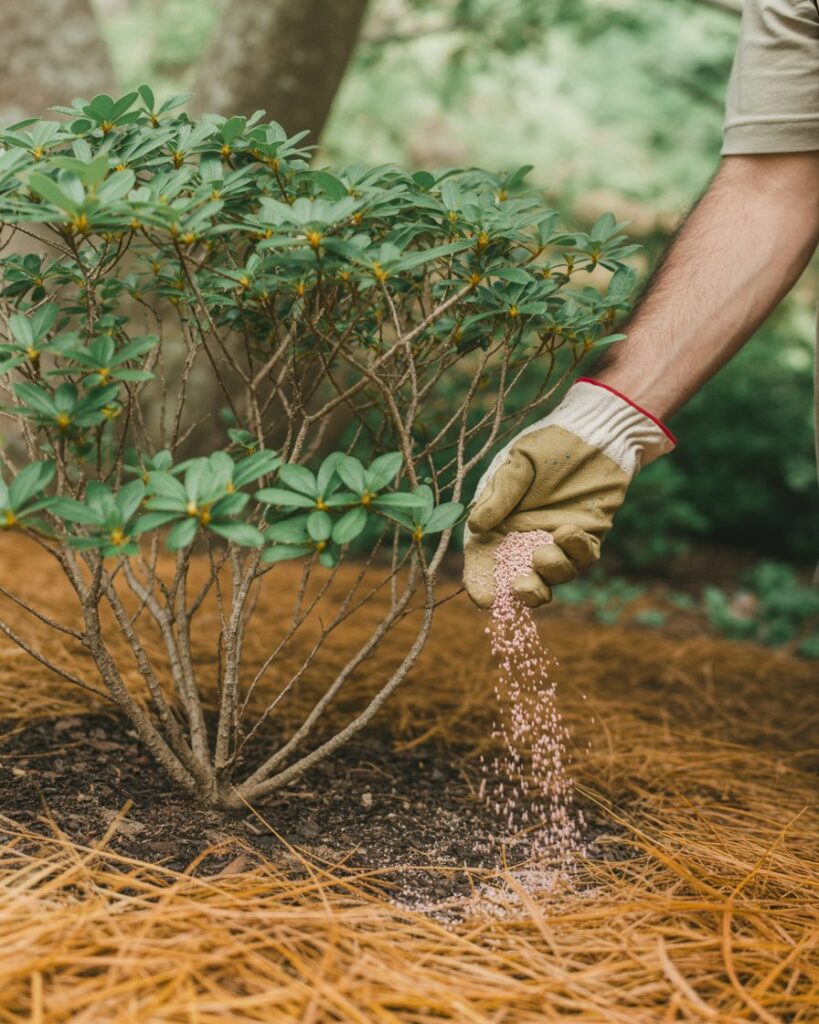
- First feeding: Right after blooming (spring)
- Optional second feeding: Early summer (light application only, especially helpful for reblooming types)
When to Stop
Avoid fertilizing after mid-summer. Late fertilization encourages tender new growth that can be damaged by heat or early frost.
What Fertilizer to Use
Azaleas thrive in acidic soil, so choose a fertilizer formulated for acid-loving plants.
Look for:
- Balanced or slightly nitrogen-rich formulas (like 10-8-6)
- Products labeled for azaleas, camellias, or rhododendrons
Application Tips
- Apply around the drip line—not directly at the base
- Water thoroughly after feeding
- Never fertilize dry soil
Charming Garden Tip: If your azaleas have rich green leaves and bloom well, you may only need to fertilize once a year.
Common Mistakes to Avoid
Even experienced gardeners get tripped up by azaleas. Here are the most common issues:
Pruning Too Late
Cutting in late summer or fall removes next spring’s flower buds on traditional varieties and can reduce fall blooms on reblooming types.
Over-Fertilizing
Too much fertilizer leads to excessive leafy growth and fewer blooms.
Poor Soil Conditions
Azaleas struggle in alkaline soil. If leaves turn yellow, soil pH may be too high.
Shearing Instead of Shaping
Avoid hedge trimmers—selective hand pruning keeps plants healthy and beautiful.
Bonus: Reviving Overgrown Azaleas
If your azaleas are leggy or overgrown:
- Do a gradual rejuvenation prune over 2–3 seasons
- Cut back one-third of the plant each year
- Follow up with proper spring fertilization
This approach preserves blooms while restoring structure.
Final Thoughts
Azaleas don’t ask for much—but they do insist on good timing. And understanding what type you have makes that timing much easier to get right.
If you remember just two things, let it be this: prune right after they bloom, and fertilize in spring—then leave them alone.
Whether you’re growing classic spring-blooming varieties or newer reblooming types, working with their natural cycle will reward you with fuller growth, healthier foliage, and blooms that return beautifully year after year.