When to Start Vegetable Seeds in the South
A Charming Garden Guide to Getting Ahead of the Season (Without Getting Burned by a Late Frost)
There’s a moment every late winter in Southern gardens when the light shifts just enough to make you believe spring has arrived. The days stretch a little longer, the air softens, and suddenly the urge to start planting everything feels irresistible.
But in the South, timing is everything.
Start too early, and a surprise frost can undo weeks of careful tending. Start too late, and you miss the sweet spot for a productive, abundant harvest. The key is knowing when—and how—to begin your vegetable seeds so they’re perfectly timed for your garden’s rhythm.
Let’s walk through it.
Understanding Southern Growing Seasons
Gardening in the South is less about one long growing season and more about two distinct windows:
- Cool Season (Late Winter–Spring): leafy greens, root vegetables, peas
- Warm Season (Late Spring–Summer): tomatoes, peppers, squash, beans
Because Southern winters are milder, you can start seeds earlier than most—but unpredictable cold snaps mean you still need a strategy.
The anchor for all your timing is your last frost date. In much of the Southeast, that typically falls between mid-March and early April—but it can vary slightly year to year. To be safe, many experienced gardeners wait until after April 15th.
When to Start Seeds Indoors
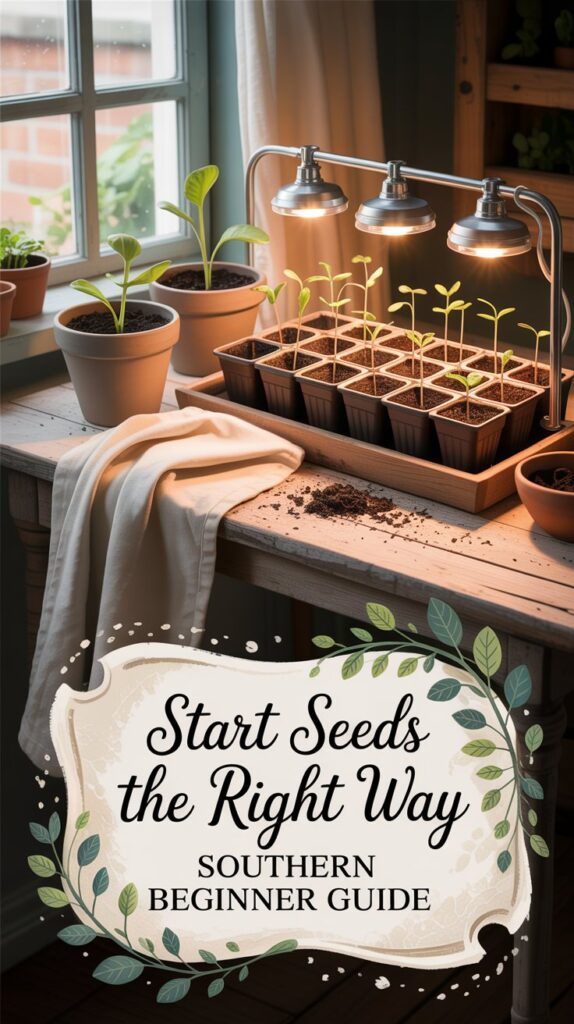
Starting seeds indoors gives you a head start, especially for crops that need a long growing season.
6–10 Weeks Before Last Frost
These warm-season favorites benefit most from an early indoor start:
- Tomatoes
- Peppers
- Eggplant
Timing tip: In the south, this usually means starting seeds late January through mid-February.
What to expect:
Seedlings will be sturdy and ready to transplant as soon as the soil warms—giving you earlier harvests and stronger plants overall.
4–6 Weeks Before Last Frost
Some vegetables grow quickly and don’t need as much lead time:
- Cucumbers
- Squash (summer varieties)
- Melons
Timing tip: Start these late February through early March indoors—or skip indoor sowing and plant directly outside once soil temperatures rise.
What to Direct Sow Outdoors
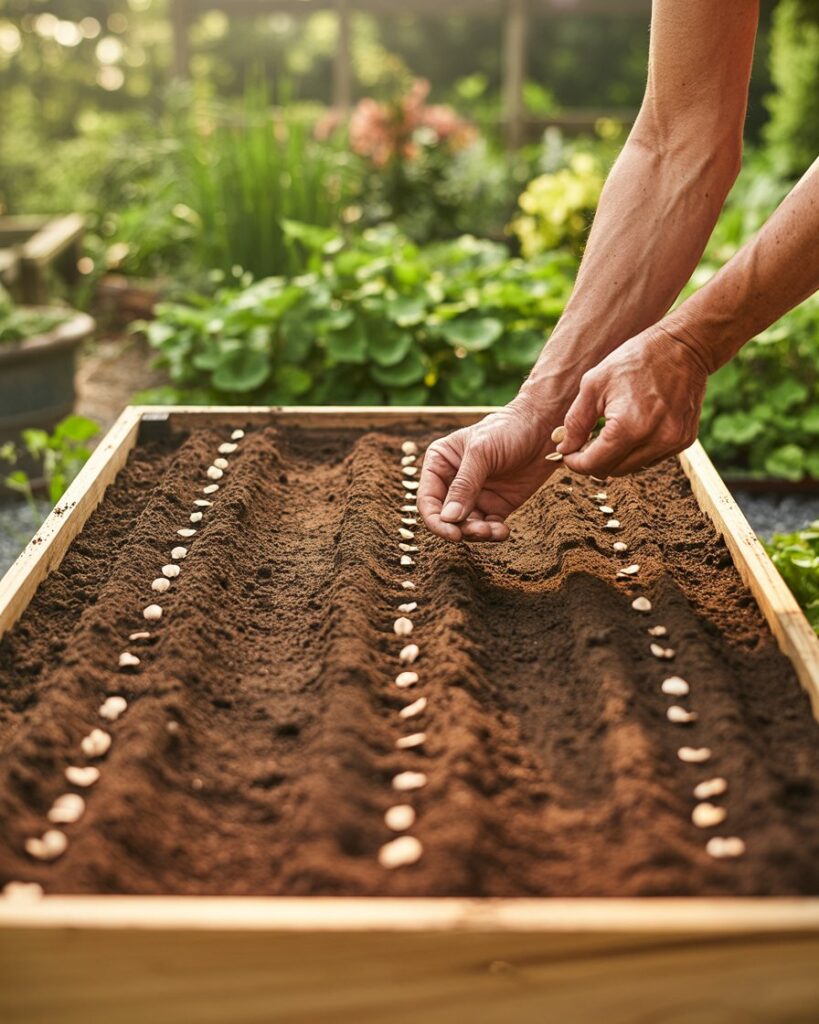
Not everything wants to be started inside. Many vegetables actually prefer to go straight into the garden.
2–4 Weeks Before Last Frost
These cool-season crops thrive in chilly soil:
- Carrots
- Radishes
- Spinach
- Lettuce
- Beets
You can begin planting these as early as late February in much of the South.
Right Around Last Frost
Plant these just as winter fully releases its grip:
- Bush beans
- Corn
- Cucumbers (if not started indoors)
Warm soil is more important than air temperature here—so don’t rush it.
The Secret Advantage of Southern Gardens: Succession Planting
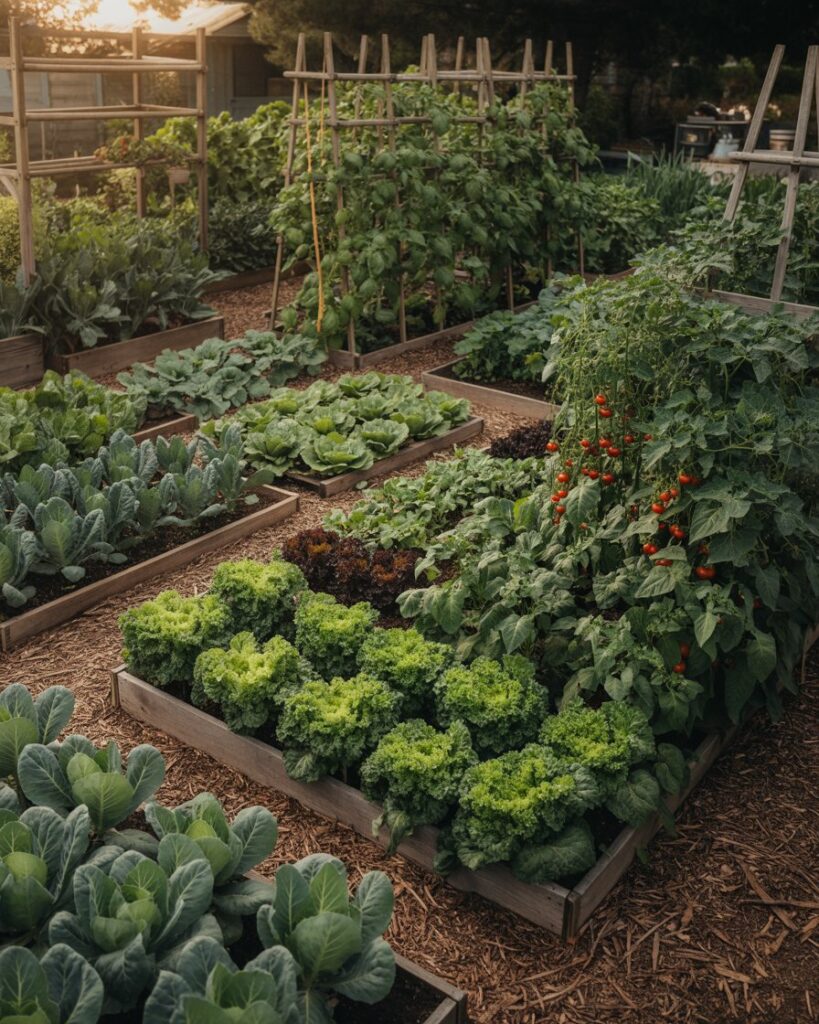
One of the greatest advantages of gardening in the South is the ability to plant in waves.
Instead of sowing everything at once:
- Plant lettuce every 2–3 weeks for continuous harvest
- Stagger beans and squash to avoid overwhelming yields
- Replant fast growers like radishes throughout spring
This approach keeps your garden productive—and your kitchen well-stocked—well into summer.
Don’t Skip Hardening Off
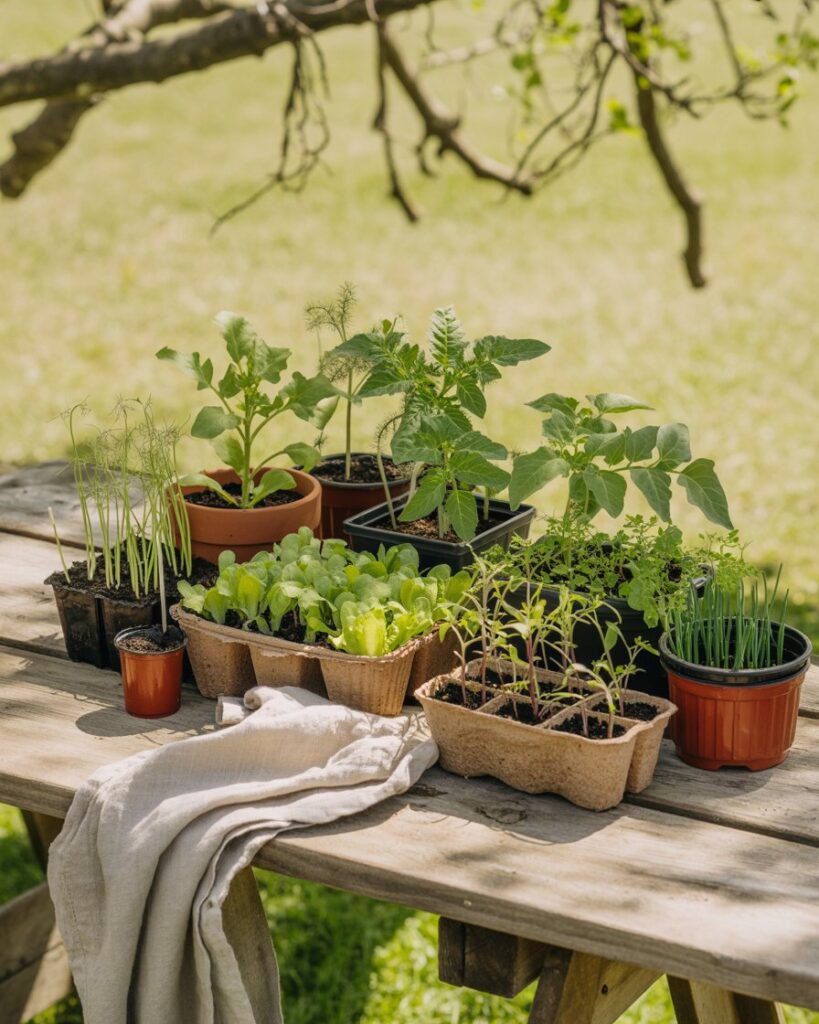
If you start seeds indoors, there’s one step you can’t skip: hardening off.
This simply means gradually introducing seedlings to outdoor conditions:
- Start with 1–2 hours outside in shade
- Increase exposure over 7–10 days
- Protect from wind and strong afternoon sun
It’s the difference between thriving plants and transplant shock.
Common Mistakes to Avoid
Even experienced gardeners slip into these traps:
Starting too early
Leggy, overgrown seedlings struggle to adapt outdoors.
Ignoring soil temperature
Warm-season crops won’t thrive until the soil is consistently warm.
Overcrowding seedlings
Give each plant enough space to develop strong roots.
Skipping light requirements indoors
A sunny window isn’t always enough—seedlings need bright, consistent light.
A Simple Southern Seed-Starting Timeline
For an easy reference:
- Late January–February: Start tomatoes, peppers, eggplant indoors
- Late February–March: Direct sow cool-season crops outdoors
- March–April: Start fast-growing warm crops indoors or direct sow
- After Last Frost: Transplant and begin warm-season planting in earnest
Final Thoughts
In Southern gardens, success isn’t just about what you plant—it’s about when you plant it.
A thoughtful seed-starting plan lets you move in step with the season instead of racing ahead of it. And when you get that timing just right, everything feels easier: seedlings are stronger, harvests are earlier, and your garden flows naturally from one season to the next.
Start a little earlier than the rest of the country, stay flexible with the weather, and let the rhythm of the South guide you.